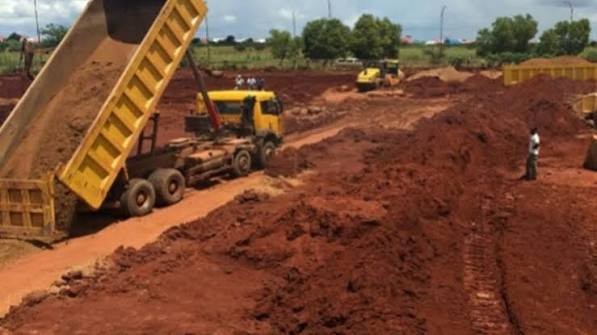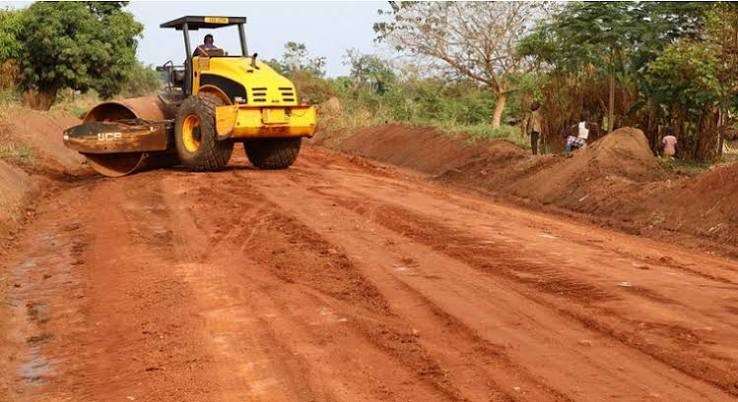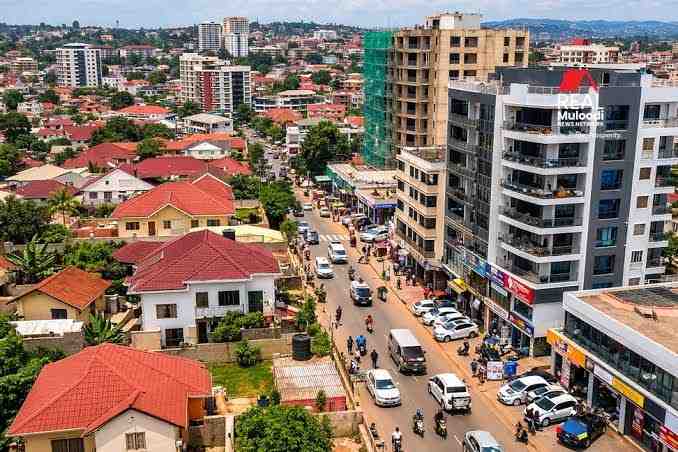
Residential and commercial construction are two important sectors of Uganda’s building and construction industry. Although both involve building design, planning, materials, labour and project management, they differ in their purpose, construction requirements, costs and overall complexity.
Residential construction focuses on creating comfortable and functional living spaces for individuals and families, while commercial construction involves developing buildings for business, investment, industrial or institutional purposes.
Whether you are planning to build a family home, rental apartments, an office block, a shopping complex, a hotel or a warehouse, understanding the differences between residential and commercial construction can help you make informed decisions, prepare a realistic budget and choose the right construction services.
In Uganda, where property development continues to grow in Kampala, Wakiso, Mukono and other urban centres, understanding these construction categories is increasingly important for homeowners, investors and property developers.
1. What Is Residential Construction?
Residential construction refers to the process of designing and building structures intended primarily for people to live in. These projects are developed to provide safe, comfortable and functional accommodation for individuals, families and tenants.
Residential construction projects in Uganda range from small family homes to large apartment buildings and residential estates.
Common examples include:
- Single-family houses and private homes.
- Bungalows and maisonettes.
- Apartment buildings and flats.
- Rental houses and residential units.
- Townhouses and gated communities.
- Hostels and student accommodation.
- Residential estates and housing developments.
The main objective of residential construction is to create a suitable living environment that meets the occupants’ needs while considering their budget, lifestyle, available land and future plans.
Key Features of Residential Construction
Residential buildings are designed around everyday household activities. They typically include bedrooms, living rooms, kitchens, bathrooms, dining areas and outdoor spaces.
Important design considerations include:
- Comfortable and functional living spaces.
- Privacy and security.
- Natural lighting and ventilation.
- Efficient use of available space.
- Durable and attractive finishes.
- Functional kitchens and bathrooms.
- Water and electricity supply.
- Parking areas and outdoor spaces.
For example, someone constructing a family home in Kampala may prioritise bedroom arrangements, kitchen design, compound space, security and the possibility of future extensions.
A developer constructing rental apartments may instead focus on the number of units, tenant convenience, maintenance requirements and potential rental income.
2. What Is Commercial Construction?
Commercial construction involves developing buildings intended for business operations, professional services, industrial activities, institutional purposes or income-generating activities.
Unlike residential construction, which primarily focuses on household needs, commercial construction is designed around business operations, employee requirements, customer access, equipment, storage and public use.
Common examples of commercial construction include:
- Office buildings and business centres.
- Shopping malls and retail buildings.
- Hotels, lodges and restaurants.
- Banks and financial institutions.
- Warehouses and storage facilities.
- Factories and manufacturing buildings.
- Hospitals and healthcare facilities.
- Schools and educational institutions.
- Commercial rental properties.
- Shopping arcades and service centres.
Commercial construction is important in supporting business growth, employment, investment and infrastructure development across Uganda.
Key Features of Commercial Construction
Commercial buildings are designed to accommodate employees, customers, visitors and business operations.
Their features may include:
- Large office and working spaces.
- Reception areas and meeting rooms.
- Customer service areas.
- Loading and delivery zones.
- Commercial kitchens and storage areas.
- Fire detection and emergency systems.
- Accessibility provisions.
- Advanced electrical installations.
- Air-conditioning and ventilation.
- Security and access-control systems.
- Parking and vehicle circulation areas.
For example, an office building requires suitable workspaces, meeting rooms, electrical infrastructure and communication systems. A warehouse may prioritise internal storage capacity, floor-loading requirements, loading bays and access for delivery vehicles.
3. Residential vs Commercial Construction: Main Differences
Although residential and commercial construction share several building processes, their requirements differ depending on the intended use of the property.
The main differences include:
Purpose: Residential construction provides accommodation, while commercial construction supports business, industrial or institutional activities.
Building design: Residential buildings prioritise comfort, privacy and household convenience. Commercial buildings prioritise operational efficiency, customer experience and workplace functionality.
Building size: Residential projects range from small houses to large apartment developments. Commercial projects may include offices, shopping complexes, warehouses and other specialised facilities.
Materials: Both may use concrete, cement, steel and bricks, but material specifications depend on structural requirements, building use and expected traffic.
Utilities: Residential buildings generally require domestic electrical and plumbing systems. Commercial buildings may need higher-capacity electrical installations, specialised ventilation, backup power and other technical systems.
Safety requirements: Both must meet applicable safety standards, but commercial buildings may require additional consideration of occupancy, emergency exits, accessibility and fire protection.
Project management: Commercial projects often require coordination between more specialised contractors and technical teams, depending on their scale and complexity.
Understanding these differences helps property owners determine the appropriate design, materials, professionals and project management arrangements.
4. Differences in Building Design and Planning
Building design and planning are essential for both residential and commercial construction. However, the design process must reflect the building’s intended use.
Residential Building Design
Residential designs focus on creating comfortable spaces that meet the daily needs of occupants.
Important considerations include:
- Number and size of bedrooms.
- Living and dining room arrangements.
- Kitchen design and functionality.
- Bathroom placement.
- Natural lighting and ventilation.
- Privacy between rooms.
- Storage requirements.
- Parking and outdoor spaces.
- Future extensions and flexibility.
A properly planned residential building should make everyday activities convenient while making efficient use of the available space.
Commercial Building Design
Commercial designs must consider how the business or institution will operate within the building.
Important considerations include:
- Number of employees and expected visitors.
- Customer movement and accessibility.
- Office and working-area layouts.
- Equipment and machinery requirements.
- Electrical and data infrastructure.
- Fire safety and emergency access.
- Parking and delivery arrangements.
- Security and access control.
- Ventilation and air-conditioning.
- Future business expansion.
For instance, a shopping complex requires appropriate retail spaces, corridors, customer circulation, parking, sanitation and emergency access.
An industrial facility may require additional consideration of machinery foundations, power supply, ventilation, storage and goods movement.
Proper planning helps reduce inefficient layouts, unnecessary modifications and avoidable construction expenses.
5. Differences in Construction Materials
Residential and commercial buildings may use similar construction materials, but the selection depends on the building’s purpose, expected usage, design and engineering requirements.
Materials Commonly Used in Residential Construction
Residential construction projects in Uganda commonly use:
- Cement and concrete.
- Sand and aggregates.
- Bricks and concrete blocks.
- Reinforcement steel.
- Roofing sheets and tiles.
- Timber and joinery products.
- Floor and wall tiles.
- Paints and decorative finishes.
- Plumbing and electrical materials.
- Glass and aluminium products.
Homeowners often select materials that balance durability, appearance, comfort and affordability.
Materials Commonly Used in Commercial Construction
Commercial construction may involve the same basic materials, alongside products selected for heavier use and specialised building requirements.
These may include:
- Structural steel and reinforced concrete.
- Commercial-grade flooring.
- Durable wall and ceiling systems.
- Aluminium and glass façade systems.
- Heavy-duty doors and fittings.
- Commercial electrical components.
- Fire protection materials and systems.
- Industrial plumbing components.
- Ventilation and air-conditioning equipment.
- Specialised insulation and waterproofing materials.
For example, a busy commercial building may require flooring that withstands frequent foot traffic, while a warehouse may need a floor designed for its expected storage loads and equipment.
Material selection should always follow the approved designs, engineering specifications and intended use of the building.
6. Differences in Residential and Commercial Construction Costs
Construction costs are an important consideration for anyone planning a building project in Uganda.
There is no single fixed cost for residential or commercial construction because the final budget depends on the design, location, building size, material specifications, labour, site conditions and complexity.
Factors Affecting Residential Construction Costs
The cost of residential construction may be influenced by:
- Land location: Construction costs vary depending on the location, accessibility and site conditions.
- Building size: Larger houses generally require more materials and labour.
- Design complexity: Multiple floors, balconies and complex roof designs may increase costs.
- Foundation requirements: Soil conditions and structural design influence foundation costs.
- Material selection: Premium roofing, flooring, windows and finishes can increase the budget.
- Labour costs: The skills and number of workers required affect total expenditure.
- Utilities: Electrical, plumbing, water and sanitation installations contribute to overall costs.
Factors Affecting Commercial Construction Costs
Commercial projects may involve additional cost considerations, including:
- Larger building footprints.
- More complex structural designs.
- Higher occupancy requirements.
- Commercial electrical installations.
- Fire protection and emergency systems.
- Lifts and escalators where required.
- Air-conditioning and ventilation systems.
- Specialised machinery and equipment.
- Parking, access roads and drainage.
- Extensive project coordination.
A small office building and a large shopping complex will have very different budgets because their scale, specifications and operational requirements are not the same.
How to Prepare a Construction Budget
Before starting either type of project, developers should establish a realistic budget based on the proposed design and scope of work.
A construction budget should consider:
- Land preparation and site clearance.
- Architectural and engineering services.
- Statutory approvals and permit-related costs.
- Building materials.
- Labour and specialist services.
- Equipment and transportation.
- Plumbing and electrical installations.
- Finishing works.
- External works and drainage.
- Project management and supervision.
- A contingency allowance for unforeseen expenses.
Requesting a detailed Bill of Quantities (BOQ) can help property owners understand the expected construction costs and compare quotations more effectively.
7. Building Regulations and Approvals in Uganda
Residential and commercial construction projects must comply with applicable building control requirements in Uganda.
The approval process and technical requirements depend on the building’s classification, size, location, intended use and applicable regulations.
Before construction begins, property owners should establish the relevant requirements, which may include:
- Verification of land ownership and site information.
- Preparation of architectural building plans.
- Structural engineering designs where required.
- Applications for the relevant building permit.
- Engagement of appropriately qualified professionals.
- Compliance with applicable building and safety standards.
- Required inspections during construction.
- An occupation permit where applicable.
Additional Considerations for Commercial Buildings
Commercial developments may require further consideration because of their intended use and expected occupancy.
Depending on the project, requirements may address:
- Building classification and occupancy.
- Structural safety.
- Fire safety and emergency exits.
- Accessibility.
- Sanitation and public health.
- Electrical and mechanical installations.
- Parking and access arrangements.
- Environmental and planning considerations.
- Construction inspections and occupation approval.
Property owners should confirm current requirements with the relevant Building Committee and engage appropriately qualified professionals for the necessary designs, approvals and supervision.
Starting construction without establishing the applicable approval requirements can result in delays, additional expenses and regulatory complications.
8. Differences in Electrical, Plumbing and Building Utility Systems
Electrical, plumbing and other utility installations are essential in both residential and commercial buildings. However, their capacity and complexity depend on the intended use.
Residential Building Utilities
Residential utility systems generally support household activities, including:
- Lighting and domestic power outlets.
- Water supply and distribution.
- Bathroom and kitchen plumbing.
- Domestic wastewater and drainage.
- Water heating.
- Internet and television connections.
- Residential security systems.
These systems should be appropriately designed to support household appliances, water consumption and the expected number of occupants.
Commercial Building Utilities
Commercial buildings may require more extensive installations to support employees, customers, equipment and business operations.
These may include:
- Higher-capacity electrical distribution.
- Backup power systems.
- Commercial lighting.
- Structured data and communication networks.
- Air-conditioning and ventilation.
- Commercial water supply.
- Larger drainage and sanitation systems.
- Fire detection and alarm systems.
- Access-control and security installations.
- Building management and automation systems.
For example, a hotel may require specialised plumbing, commercial kitchen installations, backup power and air-conditioning. A modern office building may require structured cabling, access control and centralised building systems.
Utility requirements should be established early in the design process to reduce expensive changes during construction.
9. Differences in Construction Time and Project Management
Both residential and commercial construction require proper planning, scheduling, coordination and quality monitoring.
However, commercial projects often involve more contractors, specialised installations and coordination activities.
Residential Construction Project Management
Managing a residential project generally involves:
- Preparing a construction schedule.
- Planning material purchases.
- Coordinating workers and suppliers.
- Monitoring labour and material costs.
- Inspecting workmanship.
- Tracking construction progress.
- Managing design changes.
- Preparing for final inspection and handover.
A small house may have a relatively straightforward construction schedule, while a large residential estate or apartment development may require more extensive coordination.
Commercial Construction Project Management
Commercial construction may involve several technical teams working at the same time.
Project management responsibilities can include:
- Coordinating architects and engineers.
- Scheduling construction activities.
- Managing contractors and specialist suppliers.
- Monitoring budgets and resources.
- Coordinating electrical and mechanical installations.
- Tracking project milestones.
- Monitoring workmanship and quality.
- Managing site activities and safety.
- Preparing progress reports.
- Coordinating inspections and handover.
Effective project management helps reduce unnecessary delays, improve communication and keep construction activities aligned with agreed project requirements.
10. Which Type of Construction Is More Complex?
There is no universal answer because complexity depends on the building’s design, size, location, engineering requirements and intended use.
Commercial construction frequently involves additional coordination because of specialised equipment, larger occupancy levels, operational requirements and multiple technical systems.
For example:
- A simple bungalow may have fewer technical requirements than a multi-storey office building.
- A large apartment development may be more complex than a small retail shop.
- A hospital may require more specialised systems than many ordinary commercial buildings.
- A large industrial facility may involve complex structural, electrical and mechanical requirements.
The best way to assess project complexity is to review the proposed design, specifications, site conditions and intended building use before estimating the construction programme and budget.
11. Common Challenges in Residential and Commercial Construction
Both types of construction can experience challenges that affect costs, quality and completion timelines.
Common Residential Construction Challenges
- Starting construction without adequate planning.
- Underestimating the total construction budget.
- Purchasing poor-quality materials.
- Changing designs during construction.
- Inadequate site supervision.
- Poor drainage around the building.
- Hiring workers without clearly defined responsibilities.
- Failing to plan for future household needs.
Common Commercial Construction Challenges
- Poor coordination between contractors.
- Inadequate planning of building utilities.
- Incorrect estimates of project costs.
- Delays in specialised material supply.
- Poorly coordinated electrical and mechanical installations.
- Insufficient consideration of fire safety and accessibility.
- Changes to business requirements during construction.
- Weak quality monitoring and documentation.
How to Avoid These Challenges
Property owners and developers can reduce construction risks by:
- Preparing detailed building plans before construction.
- Developing a realistic project budget.
- Engaging appropriately qualified professionals.
- Selecting suitable materials based on specifications.
- Establishing clear construction schedules.
- Monitoring project progress regularly.
- Maintaining proper communication with contractors.
- Following applicable building regulations.
- Carrying out inspections at appropriate stages.
- Keeping accurate project and payment records.
12. Can One Construction Company Handle Both Residential and Commercial Projects?
Yes. A construction company with the appropriate expertise, technical capacity and service arrangements may support both residential and commercial developments.
However, not every company offers the same range of services or has the same experience with every building type.
Before selecting a company, property owners should assess its service scope, relevant experience, technical resources, project coordination arrangements and suitability for the proposed development.
For residential projects, developers may need support with building works, finishing, utilities, material supply and project coordination.
Commercial developers may require a broader range of services, including civil works, building construction, partitioning, specialised installations, utilities and building management systems.
The important consideration is whether the company can support the specific work packages required for the project.
13. Construction and Project Solutions by Daltrev Co. Ltd
When planning a residential or commercial development in Uganda, selecting suitable construction products, technical services and project support is an important step towards achieving the desired results.
Daltrev Co. Ltd provides construction-related works and project solutions for residential, commercial, institutional and industrial developments.
Its listed work divisions cover several areas of construction and building support, allowing clients to explore services according to their project requirements.
Services and Work Areas Offered by Daltrev Co. Ltd
Depending on the project scope, Daltrev’s listed service areas include:
Building and Construction Works
Construction-related works and building solutions for different types of developments, including residential and commercial projects.
Civil Works
Civil engineering and infrastructure-related works, including road works, site preparation and other civil construction activities.
Partitioning and Building Finishes
Building finishing and space-related solutions, including partitioning and specialist interior finishing works.
Utilities and Building Installations
Construction utility products and installation-related solutions for building requirements.
Building Management Systems and Smart Building Technologies
Building automation and smart building solutions that may support lighting management, access and security, power monitoring and other connected building functions.
Daltrev also lists construction products, concrete materials and building supplies for contractors, developers and infrastructure projects.
Whether you are planning a residential property, apartment development, office building, retail facility or another construction project, you can contact Daltrev to discuss your requirements and establish which services are suitable for your scope of work.
Explore the company’s services:
- Daltrev Construction and Works
- Civil Works Services
- Construction Consultancy
- Construction Project Management
14. How to Choose the Right Construction Services for Your Project
Before approaching a construction company, it is important to understand the nature of your project and the services you need.
Consider the following factors:
1. Identify the Purpose of Your Building
Determine whether the building will be used as a private residence, rental property, office, shop, hotel, warehouse or another facility. The intended use influences the design, building specifications and applicable requirements.
2. Establish Your Project Budget
Prepare a realistic budget that accounts for design, approvals, materials, labour, utilities, finishing and other project expenses.
3. Review the Site Conditions
Assess the land size, accessibility, drainage, soil conditions and surrounding development.
4. Prepare the Building Requirements
Work with relevant professionals to develop architectural and engineering plans that reflect your intended use and applicable standards.
5. Check the Company’s Services
Confirm that the company offers the specific construction works, materials or project support required.
6. Understand Project Management Arrangements
Establish who will coordinate construction activities, monitor quality, communicate progress and manage changes.
7. Request a Clear Quotation
A quotation should explain the proposed scope of work, materials, exclusions, costs and payment arrangements.
Taking these steps before construction begins can help property owners make informed decisions and avoid unnecessary project complications.
15. Frequently Asked Questions About Residential and Commercial Construction in Uganda
What is the main difference between residential and commercial construction?
Residential construction involves developing buildings for people to live in, such as houses and apartments. Commercial construction involves developing buildings for business, professional, industrial or institutional activities, such as offices, shopping centres, hotels and warehouses.
Is commercial construction more expensive than residential construction?
Commercial construction can be more expensive because some projects require larger structures, specialised installations, higher-capacity utilities and additional safety systems. However, costs depend on the size, specifications, location and complexity of each project.
Can the same contractor handle residential and commercial construction?
Yes, provided the company has the appropriate technical capacity, relevant expertise and services for the specific project. Developers should verify the company’s experience and scope of work before entering into an agreement.
What materials are used in residential construction?
Common materials include cement, concrete, bricks, concrete blocks, reinforcement steel, roofing materials, timber, tiles, glass, paints and plumbing and electrical products.
What materials are used in commercial construction?
Commercial buildings may use reinforced concrete, structural steel, glass, aluminium, commercial flooring, specialised ceiling systems, electrical components, fire protection materials and mechanical installations.
Do residential buildings require building permits in Uganda?
Building permit requirements depend on the proposed work and applicable legal provisions. Property owners should confirm the requirements with the relevant Building Committee before starting construction.
Do commercial buildings have additional construction requirements?
Commercial developments may have additional requirements relating to occupancy, fire safety, accessibility, sanitation, parking, utilities and building use. The exact requirements depend on the building’s classification and applicable regulations.
How long does residential construction take?
The construction period depends on the building’s size, design, materials, site conditions, workforce and project management. A small house generally requires less time than a large apartment development.
How long does commercial construction take?
Commercial construction timelines vary according to the project’s scale and complexity. Office blocks, shopping centres, hotels and industrial facilities may require more coordination and specialised installations.
What determines the cost of building a house in Uganda?
The cost depends on land conditions, building size, design, foundation requirements, material quality, labour, utilities, finishing and location.
What determines the cost of commercial construction?
Important factors include building size, structural design, construction materials, specialist installations, electrical and mechanical systems, fire protection, labour, site conditions and external works.
Why is project management important in construction?
Project management helps coordinate construction activities, monitor costs, track progress, organise resources and maintain communication between the different parties involved.
Does Daltrev Co. Ltd support both residential and commercial projects?
Daltrev Co. Ltd lists construction and related project solutions for residential, commercial, institutional and industrial developments. Contact the company to discuss the specific services and scope required for your project.
Conclusion: Understanding the Differences Before Starting Your Construction Project
Residential and commercial construction serve different purposes, but both require proper planning, suitable materials, professional input, quality control and effective project coordination.
Residential construction focuses on creating comfortable and functional living environments, while commercial construction prioritises the operational, safety and business requirements of the intended facility.
Understanding these differences helps homeowners, property developers, investors and business owners make better decisions about their building projects.
Whether you are planning a family home, apartments, rental units, an office block, a shopping complex or an industrial facility, start with a clear project brief, realistic budget and appropriate technical guidance.
Planning a residential or commercial construction project in Uganda?
Contact Daltrev Co. Ltd to discuss your construction, civil works, building supplies and project support requirements.
Visit: www.daltrevco.com
Call: +256 744 702 773
Email: daltrevco@gmail.com
You can also visit the Daltrev Contact Page to make an enquiry.