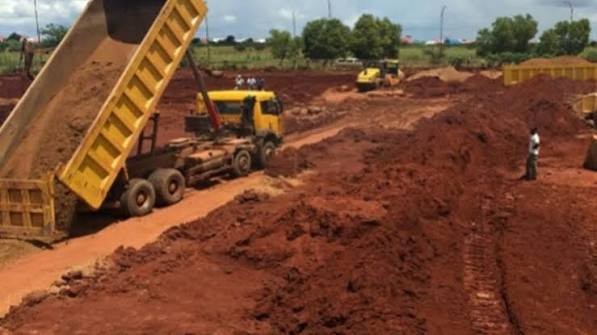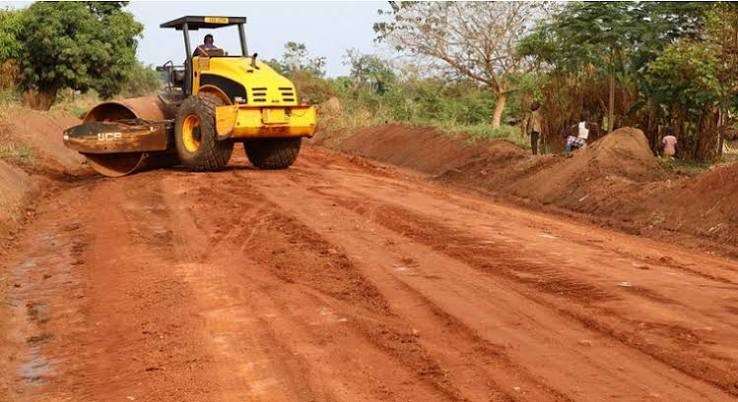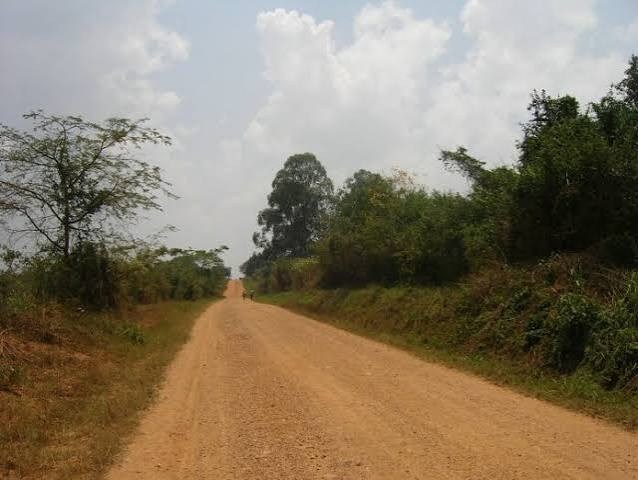
Are you planning to construct a murram road in Uganda and wondering how much it will cost? Whether you need a private access road, a residential estate road, a farm road, a commercial access route or a community road, understanding the cost of murram road construction is essential before starting your project.
Murram roads are widely used in Uganda because they can provide practical access to homes, businesses, farms, construction sites and developing communities without the higher initial investment associated with tarmac roads.
However, the cost of constructing a murram road in Uganda varies depending on several factors, including road length, width, ground conditions, murram quality, transportation distance, equipment, labour, drainage and the required construction standard.
A short private access road will not cost the same as a kilometre-long community road. Similarly, constructing a new road through difficult terrain may require considerably more work than grading and improving an existing road.
In this guide, Daltrev Co. Ltd explains the estimated cost of murram road construction in Uganda, the factors affecting the price, the materials and equipment required, the construction process and how to obtain an accurate quotation.
Daltrev Co. Ltd provides civil works solutions in Uganda, including murram road construction, road opening, road grading, drainage works and tarmac road construction.
1. How Much Does It Cost to Construct a Murram Road in Uganda?
The cost of constructing a murram road in Uganda depends on the size, location, design and condition of the proposed road.
One useful national reference is Uganda’s Ministry of Works and Transport. Its 2026–2030 draft strategic plan reports an average construction cost of approximately UGX 60 million per kilometre for unpaved or gravel roads in FY2024/25.
This figure provides a government-level planning benchmark. It should not be treated as a fixed market price or a quotation for every private road project.
For an individual project, the cost may be lower or higher depending on:
- Road length and width.
- Whether the road is new or being rehabilitated.
- The condition of the existing ground.
- The thickness and quality of murram required.
- Distance from the material source.
- Excavation and filling requirements.
- Drainage and culvert construction.
- Equipment and labour requirements.
- Project location and accessibility.
- Expected vehicle traffic.
The final cost should therefore be established through a clear project scope and, where necessary, a site assessment.
Indicative murram road construction cost reference
| Cost reference | Amount | What it means |
|---|---|---|
| Ministry of Works and Transport FY2024/25 average for unpaved/gravel road construction | UGX 60 million/km | National planning benchmark, not a private contractor’s fixed rate |
| Older government planning figures | UGX 28–40 million/km | Historical budget figures; not current quotations |
| Actual project quotations | Project-specific | Depend on design, site conditions, quantities and construction scope |
The historical government planning figures and the more recent reported average illustrate why it is important to check the year and scope behind any quoted road construction rate.
Important: Do not use a per-kilometre figure without checking what is included. Some quotations cover grading and gravel placement, while others include new road formation, excavation, culverts, drainage and more extensive construction works.
2. What Is Included in the Cost of Murram Road Construction?
To understand a road construction quotation, you need to know the activities and resources that make up the total cost.
A. Site Inspection and Road Planning
Before construction begins, the site may need to be inspected to establish the road alignment, ground conditions, drainage requirements and construction scope.
Planning may involve:
- Reviewing the proposed road route.
- Measuring the road length and width.
- Assessing existing ground levels.
- Identifying soft or swampy sections.
- Reviewing natural water flow.
- Identifying areas requiring excavation or filling.
- Establishing the required road specification.
For larger or more complex projects, professional surveying, engineering design and soil investigations may also be necessary.
B. Site Clearing and Vegetation Removal
New road construction may require clearing bushes, grass, tree stumps and other obstructions along the approved road alignment.
The cost depends on the amount of vegetation, terrain, site accessibility and the equipment required.
C. Earthworks and Excavation
Earthworks prepare the ground for the road structure.
Depending on the site, activities may include:
- Cutting high ground.
- Filling low areas.
- Removing unsuitable soil.
- Levelling the road formation.
- Preparing side slopes.
- Improving soft sections.
A road passing through uneven or waterlogged ground may require more earthworks than one constructed on relatively firm, level terrain.
D. Murram Material
Murram is one of the main cost components in an unpaved road project.
The required quantity depends on road length, width, layer thickness, material suitability and the amount of existing material that can be retained.
The cost of material is also affected by:
- Availability of suitable murram.
- Distance from the source to the project.
- Loading costs.
- Transportation arrangements.
- Material testing and quality requirements.
- Any necessary permissions or agreements relating to material extraction.
Material should be selected according to the project specification rather than simply choosing the cheapest available soil.
E. Transportation of Murram
Transport can significantly affect road construction costs, especially where suitable material is not available near the site.
The number of tipper truck trips depends on the required material volume and the carrying capacity of the trucks.
Longer transport distances increase fuel use, vehicle operating time and delivery costs.
F. Road Grading and Compaction
After the murram is delivered and spread, it must be shaped and compacted according to the construction specification.
Grading establishes the road profile, while compaction improves the stability of the material.
The cost depends on equipment, the number of passes required, road dimensions, material condition and construction duration.
G. Drainage Construction
Drainage is essential for protecting murram roads from water damage.
Depending on the project, drainage works may include:
- Side drains.
- Culverts.
- Drainage crossings.
- Water outlets.
- Erosion protection.
- Stormwater management structures.
Drainage requirements can significantly change the total cost, particularly on sloping, swampy or flood-prone sites.
H. Labour and Site Supervision
The construction team may include machine operators, drivers, labourers, supervisors and technical personnel.
The number of workers and the time required depend on the size and complexity of the project.
3. Main Factors That Determine Murram Road Construction Prices in Uganda
Two roads with the same length can have very different construction costs. The following factors explain why.
1. Road Length
Longer roads generally require more material, equipment operating time, labour and transportation.
A road of 2 kilometres may require substantially more resources than a short residential access road.
2. Road Width
Road width affects the amount of earthworks and gravel required.
A wider road requires more material for the same road length and layer thickness.
3. Ground Conditions
Ground conditions can have a major impact on construction costs.
A road passing through firm ground may require less preparation than one crossing:
- Swampy areas.
- Soft clay soils.
- Waterlogged sections.
- Steep slopes.
- Uneven terrain.
- Areas with poor natural drainage.
Weak ground may require additional excavation, selected material, ground improvement or other engineering measures.
4. Murram Quality and Availability
Suitable murram is not equally available in every location.
Where good-quality material is available nearby, transportation costs may be lower.
Where it must be transported over long distances, the project budget may increase.
5. Transportation Distance
The distance between the murram source and construction site affects the number of trips, fuel consumption and vehicle operating costs.
This is particularly important for projects in remote areas.
6. Drainage Requirements
A road with several drainage crossings or culverts may cost more than a road requiring only basic side drains.
Drainage should not be excluded simply to reduce the initial quotation because poor water management can lead to expensive road damage.
7. Equipment Requirements
The type and duration of machinery required affect the project budget.
Some projects need only limited grading and compaction, while others require excavators, bulldozers, graders, rollers, water bowsers and tipper trucks.
8. Construction Season and Weather
Heavy rainfall can affect site accessibility, earthworks, material transportation and compaction.
A construction schedule should consider local weather conditions and the physical condition of the site.
9. Required Road Standard
A private access road carrying occasional light vehicles may require a different specification from a road regularly used by loaded trucks and buses.
The road should be designed according to its intended traffic and expected loading.
4. Estimated Murram Requirements: Why Road Dimensions Matter
The quantity of murram required is an important part of the construction budget.
A basic estimate of the compacted material volume can be calculated using:
Volume = Road length × Road width × Compacted layer thickness
For example, consider a hypothetical road with:
- Length: 1,000 metres.
- Width: 5 metres.
- Compacted murram layer: 0.15 metres.
The theoretical compacted volume is:
1,000 × 5 × 0.15 = 750 cubic metres.
This is only a preliminary geometric estimate. Actual material ordering must account for the approved road design, existing ground levels, material properties, compaction and any additional requirements.
It is not a recommended universal layer thickness. The appropriate pavement structure must be determined for the site and intended traffic.
Why does this calculation matter?
It helps explain why a wider road or thicker designed layer requires more material.
For example, increasing the road width from 5 metres to 6 metres increases the theoretical material volume by 20%, assuming the same length and layer thickness.
That can affect:
- Material purchase costs.
- Loading costs.
- Tipper truck trips.
- Transportation expenses.
- Spreading and compaction time.
Accurate measurements help reduce material wastage and make quotations more reliable.
5. Machinery Used in Murram Road Construction and Their Cost Implications
Machinery is essential for efficient road construction. The required equipment depends on the size and condition of the project.
Motor Grader
A motor grader shapes the road surface, distributes murram and establishes the required profile.
<Add Image: Motor grader grading a murram road in Uganda>
Its operating cost depends on hire arrangements, fuel consumption, operator costs and the duration of work.
Excavator
An excavator is used for excavation, site clearing, removal of unsuitable material and drainage works.
<Add Image: Excavator carrying out road construction earthworks>
Bulldozer
A bulldozer can be used for vegetation clearing, pushing soil, rough grading and preparing the road formation.
Road Roller
A road roller compacts murram and other road materials to improve stability.
<Add Image: Road roller compacting a gravel road>
Tipper Trucks
Tipper trucks transport murram, gravel, excavated soil and other construction materials.
The cost depends on truck capacity, transport distance, loading time, fuel and the number of required trips.
Water Bowser
A water bowser may be used to distribute water during material conditioning and compaction where required.
Why equipment planning matters: Hiring machinery without a clear work programme can increase costs through unnecessary idle time, repeated trips and inefficient scheduling.
6. How Much Does It Cost to Construct Different Types of Murram Roads?
The cost depends on whether the project involves a new road, an existing road or a more complex access route.
A. New Murram Access Road
A new access road may require clearing, earthworks, road formation, material placement, grading, compaction and drainage.
The budget depends on the length, width, site conditions and construction specification.
B. Existing Road Grading
Grading an existing road may be less expensive than full construction when the underlying road formation remains suitable.
However, if the road has deep potholes, weak sections or serious drainage problems, additional rehabilitation may be required.
C. Murram Road Rehabilitation
Rehabilitation may involve reshaping the road, adding gravel, improving drainage, repairing damaged sections and compacting the surface.
The cost depends on how much of the existing road can be retained.
D. Murram Road Construction Through Difficult Terrain
Roads crossing swampy, steep or unstable areas may require additional excavation, filling, drainage structures or ground improvement.
These projects need careful assessment because the additional work can significantly affect the final budget.
E. Residential Estate Roads
Estate roads may require internal access routes, turning areas, drainage channels and connections to existing roads.
The road design should account for the number of properties, expected vehicle traffic and future development.
7. How to Reduce the Cost of Murram Road Construction Without Compromising Quality
Reducing road construction costs should not mean ignoring drainage, using unsuitable materials or reducing essential compaction.
The best approach is to control unnecessary expenditure while maintaining the required construction standard.
1. Carry Out Proper Site Assessment
An initial assessment helps identify potential problems before machinery and materials are mobilised.
It can prevent unnecessary excavation, incorrect material quantities and avoidable delays.
2. Source Suitable Murram Strategically
Where possible, identify a suitable material source close to the project.
However, material quality must be checked before selection.
3. Plan Material Quantities
Measure the road length, width and specified layer thickness accurately.
Proper quantity estimates help reduce over-ordering and material wastage.
4. Plan Equipment Use
Arrange machinery according to the construction programme to reduce idle time and unnecessary hire costs.
5. Include Drainage from the Beginning
Proper drainage can prevent premature road damage and reduce repeated repair costs.
6. Build According to Traffic Requirements
Avoid under-designing a road that will carry heavy vehicles.
The road specification should reflect the intended use and future traffic expectations.
7. Maintain the Road Regularly
Routine maintenance can help prevent minor defects from developing into major structural problems.
8. Murram Road Construction Challenges in Uganda
Several local conditions can influence road construction budgets and delivery schedules.
Heavy Rainfall
Rainfall can affect excavation, material transportation, compaction and road accessibility.
Waterlogged construction areas may require additional preparation.
High Murram Transportation Costs
Suitable murram may not be available close to every construction site.
Transportation distances can increase the total project budget.
Unstable Soil
Some locations have weak soils that require improvement before the road layers can be placed.
Poor Drainage
Existing drainage problems can damage the road structure and increase rehabilitation requirements.
Limited Equipment Access
Remote or confined sites may create difficulties for heavy construction machinery.
Rising Construction Inputs
Fuel, machinery hire, labour, material and transportation costs can change over time. This is another reason to request a current project-specific quotation instead of relying on an old price.
9. Murram Road Construction vs Tarmac Road Construction: Which Is More Affordable?
Murram roads are often a practical lower-initial-cost option for suitable low-volume routes, while tarmac roads require additional pavement and surfacing materials and more extensive construction inputs.
| Feature | Murram Road | Tarmac Road |
|---|---|---|
| Initial construction cost | Often lower for suitable low-volume roads | Generally higher |
| Surface | Compacted gravel or murram | Bituminous surfacing |
| Typical use | Private access roads, farms and suitable community roads | Urban, commercial and higher-traffic roads |
| Maintenance | Grading, drainage and gravel replenishment | Surface repairs and resurfacing |
| Rainfall performance | Depends heavily on drainage and material quality | Generally offers a sealed surface when properly constructed |
| Traffic capacity | Depends on design and pavement strength | Can accommodate higher traffic when properly designed |
A murram road may be suitable for a farm, private estate or low-volume access route.
A tarmac road may be more appropriate for a busy commercial road or a route carrying substantial traffic.
The decision should consider initial construction cost, maintenance, expected service life and traffic requirements.
10. How to Request an Accurate Murram Road Construction Quotation in Uganda
If you want to know how much your proposed road will cost, provide the contractor with enough information to assess the project.
Daltrev Co. Ltd recommends preparing the following details when making an enquiry:
| Information required | Why it matters |
|---|---|
| Project location | Helps establish site accessibility and material transportation requirements |
| Road length | Determines the scale of work and material quantities |
| Road width | Affects earthworks and material requirements |
| Existing road condition | Establishes whether new construction or rehabilitation is needed |
| Ground conditions | Identifies potential excavation and ground improvement |
| Drainage requirements | Helps establish culvert and channel requirements |
| Intended vehicle traffic | Helps determine the required road specification |
| Site photographs | Help provide an initial understanding of the location |
| Project timeline | Supports equipment and work scheduling |
Questions to Ask Before Accepting a Quotation
Before awarding a road construction project, clarify:
- Does the quotation include site preparation?
- Is murram supply included?
- Is transportation included?
- What road dimensions and material layers are specified?
- Is grading and compaction included?
- Are side drains and culverts included?
- Are equipment hire and operator costs included?
- Are testing, supervision and quality control included where required?
- What work is excluded from the quotation?
- How will variations or unforeseen ground conditions be handled?
A detailed quotation makes it easier to compare contractors and understand what you are paying for.
11. Why Choose Daltrev Co. Ltd for Murram Road Construction in Uganda?
When planning a road construction project, choosing a company that understands civil works, site preparation, road construction and drainage is important.
Daltrev Co. Ltd provides civil works and infrastructure construction solutions in Uganda for residential, commercial, institutional and other development projects.
Its civil works services include:
- Murram road construction.
- Road opening.
- Road grading and improvement.
- Land levelling and landscaping.
- Tarmac road construction.
- Drainage works.
- Bridge construction.
Daltrev’s project approach focuses on consultation, site assessment, planning and implementation based on the agreed project requirements.
Whether you need a new murram road, an access road to a property, improvement of an existing gravel road or drainage works, contact Daltrev to discuss the project scope.
Explore the company’s Civil Works Services in Uganda.
12. Frequently Asked Questions About Murram Road Construction Costs in Uganda
1. How much does it cost to construct one kilometre of murram road in Uganda?
The Ministry of Works and Transport reported an average construction cost of approximately UGX 60 million per kilometre for unpaved or gravel roads in FY2024/25 in its 2026–2030 draft strategic plan. This is a national planning benchmark, not a fixed quotation for private road construction. Actual project costs depend on road dimensions, ground conditions, drainage, materials and construction standards.
2. What is the cheapest way to construct a murram road?
The most cost-effective approach is to assess the site, use suitable locally available materials where possible, plan transport and machinery efficiently, and construct the road according to its intended traffic. Essential drainage and compaction should not be sacrificed to reduce the initial price.
3. How much murram is needed to construct one kilometre of road?
The quantity depends on road width, specified compacted layer thickness, existing ground levels and material requirements. For example, a hypothetical 1-kilometre road that is 5 metres wide with a 150 mm compacted layer has a theoretical compacted volume of 750 cubic metres. The final material requirement must be determined from the approved design and construction measurements.
4. What factors increase murram road construction costs?
Major factors include long transportation distances, poor soil conditions, swampy sections, additional drainage structures, greater road width, unsuitable material, extensive excavation and increased equipment requirements.
5. Is murram road construction cheaper than tarmac?
For suitable low-volume roads, murram construction generally has a lower initial cost than tarmac. However, the long-term cost depends on traffic, maintenance frequency, drainage and the required service life.
6. How long does it take to construct a murram road?
Construction duration depends on the road length, ground conditions, material availability, drainage works, machinery and weather. A project programme should be prepared after reviewing the scope.
7. Does murram road construction include drainage?
Drainage can be included in the project scope. Depending on the site, this may involve side drains, culverts, drainage crossings and erosion protection.
8. Can an existing murram road be repaired instead of constructing a new one?
Yes. If the underlying road formation is still suitable, grading, pothole repairs, gravel replenishment, compaction and drainage improvements may restore the road. Severely damaged or unstable sections may require more extensive rehabilitation.
9. Does the rainy season affect murram road construction costs?
Yes. Heavy rainfall can affect road accessibility, material delivery, excavation, compaction and drainage requirements. Wet conditions may increase the time and resources required to complete the work.
10. How can I get a quotation for murram road construction in Uganda?
Provide the contractor with the project location, road length, width, site condition, intended traffic, drainage requirements and photographs where possible. A site assessment and clearly defined construction scope help establish a realistic quotation.
11. Does Daltrev Co. Ltd construct murram roads in Uganda?
Yes. Daltrev Co. Ltd lists murram road construction, road opening, grading and improvement among its civil works services. Contact the company to discuss your proposed project.
12. Which areas does Daltrev serve?
Contact Daltrev Co. Ltd directly to confirm availability for your particular project location in Uganda and discuss the required scope of work.
Conclusion: Get the Right Cost Estimate for Your Murram Road Project
The cost of constructing a murram road in Uganda depends on much more than the price of gravel or the length of the road.
Road dimensions, material quality, transportation, site conditions, drainage, machinery and construction standards all contribute to the final project budget.
Uganda’s Ministry of Works and Transport provides a useful national planning benchmark of approximately UGX 60 million per kilometre for unpaved or gravel road construction in FY2024/25. However, the actual price of your project must be established using its specific requirements.
Before starting construction, arrange a proper assessment, define the road specification, plan drainage and request a detailed quotation.
Planning a murram road construction project in Uganda? Contact Daltrev Co. Ltd today to discuss your road construction, road opening, grading, rehabilitation or drainage requirements.
Daltrev Co. Ltd – Building Solutions. Delivering Excellence.
Call: +256 744 702 773
Email: daltrevco@gmail.com
Website: https://www.daltrevco.com/
Request a quotation: https://www.daltrevco.com/contact-us/