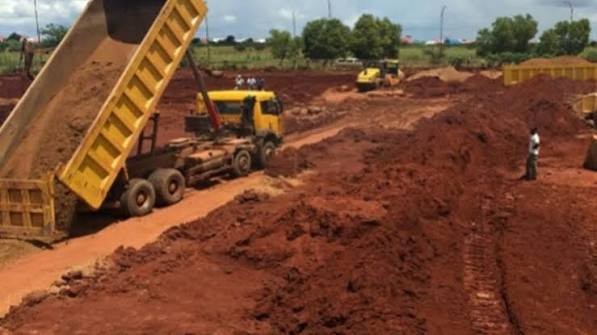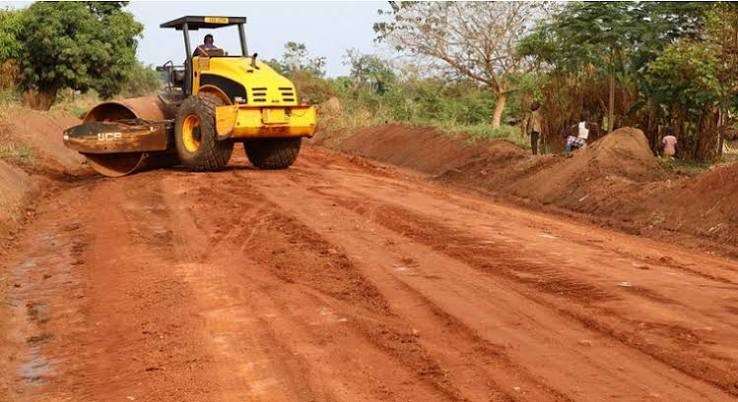
Finding the best murram road contractors in Uganda is an important step when planning a new access road, residential estate road, farm road, commercial development or community infrastructure project. A properly constructed murram road improves accessibility, supports property development and provides a practical transport solution for locations where a paved road may not be necessary.
However, not every road construction contractor offers the same level of planning, technical understanding, material selection and construction quality. Choosing a contractor based only on the lowest quotation can result in poor drainage, uneven road surfaces, inadequate compaction, premature potholes and expensive repairs.
Whether you are developing land in Kampala, constructing an access road in Wakiso, improving a farm road in Western Uganda or undertaking a community road project elsewhere in the country, it is important to understand what makes a reliable murram road contractor.
A good contractor should understand the road’s intended use, assess the site, select suitable materials, plan drainage, organise the required equipment and carry out the agreed work according to the project specifications.
Daltrev Co. Ltd provides construction and civil works solutions in Uganda, including murram road construction, road opening, road grading and improvement, drainage works and tarmac road construction.
This guide explains what to look for when choosing murram road contractors in Uganda, how to compare construction quotations, which technical questions to ask and how to avoid common road construction mistakes.
1. What Does a Murram Road Construction Contractor Do?
A murram road construction contractor undertakes activities involved in developing, improving or rehabilitating unpaved roads using suitable natural gravel or lateritic materials commonly called murram in Uganda.
The contractor’s responsibilities depend on the agreed project scope.
Typical murram road construction services include:
- New murram road construction.
- Road opening and access road preparation.
- Site clearing and vegetation removal.
- Earthworks and excavation.
- Subgrade preparation.
- Murram and gravel placement.
- Road grading and shaping.
- Road compaction.
- Side drain construction.
- Culvert installation.
- Existing road rehabilitation.
- Road maintenance and improvement.
Some projects require only basic road opening and grading, while others require extensive earthworks, material testing, drainage structures and engineering supervision.
Before hiring a contractor, establish exactly which services your project requires.
2. What to Look for When Choosing the Best Murram Road Contractors in Uganda
Choosing the right contractor involves more than comparing prices. The following factors can help you evaluate companies and identify one that is suitable for your project.
1. Experience in Road Construction and Civil Works
Look for a contractor with relevant knowledge of road construction and the specific type of work you need.
Murram road construction requires an understanding of ground preparation, gravel materials, grading, compaction and drainage.
Ask potential contractors:
- Have you handled similar road construction requirements?
- Do you undertake new road construction or only grading?
- Can you explain the proposed construction process?
- How do you assess site conditions before starting?
- Can you provide examples of relevant completed projects?
Where previous projects are presented, request verifiable photographs, locations, completion details or client references, subject to permission.
Do not rely on photographs alone. Ask whether they genuinely represent the contractor’s own work.
2. Proper Site Assessment Before Giving a Quotation
A reliable contractor should seek enough information about the site before preparing a meaningful quotation.
Site conditions can significantly affect the amount of work and the construction method required.
A site assessment should consider:
- Proposed road alignment.
- Road length and width.
- Existing ground levels.
- Soil conditions.
- Slopes and uneven sections.
- Natural water flow.
- Existing drainage structures.
- Access for machinery.
- Areas requiring excavation or filling.
A contractor who provides a detailed quotation without understanding the project may overlook important work.
For larger or more complex roads, professional surveying, soil investigations and engineering design may be necessary.
3. Quality of Murram and Construction Materials
Material quality is one of the most important factors affecting the performance of an unpaved road.
Not every soil or gravel deposit is suitable for road construction.
The selected material should meet the requirements of the road specification and be appropriate for the expected traffic.
Ask the contractor:
- Where will the murram be sourced?
- Is the material suitable for the intended road?
- Will the material be tested where required?
- How will material quality be checked?
- Are transportation costs included?
The material should not be selected simply because it is cheap or readily available.
Uganda’s Ministry of Works and Transport publishes road and bridge construction specifications, and the Office of the Auditor General has highlighted the importance of testing road construction materials before use. https://works.go.ug/general-specifications-for-road-and-bridge-works-2026-2/ and https://www.oag.go.ug/storage/reports/PSM_LA_DLG_2024_25_1773905601.pdf.
4. Understanding of Road Drainage
Drainage is essential for protecting murram roads from rainfall damage.
A road can have suitable gravel and still deteriorate quickly if rainwater collects on its surface or weakens the underlying layers.
A competent contractor should consider drainage during the planning stage.
Depending on the site, drainage works may include:
- Side drains.
- Culverts.
- Drainage crossings.
- Water outlets.
- Erosion protection.
- Road camber and crossfall.
- Stormwater management structures.
Ask the contractor how rainwater will be directed away from the road and where it will safely discharge.
Avoid choosing a quotation that excludes necessary drainage simply because it appears cheaper.
5. Access to Appropriate Construction Equipment
Road construction requires appropriate machinery for the activities involved.
Depending on the project, equipment may include:
- Motor graders.
- Excavators.
- Bulldozers.
- Road rollers.
- Tipper trucks.
- Water bowsers.
- Other earthmoving equipment.
The contractor should understand which equipment is needed and how long it will be required.
Ask whether machinery is owned, hired or arranged through suppliers. Also establish whether equipment mobilisation, fuel, operators and transportation are included in the quotation.
The most important consideration is not the number of machines a company advertises. It is whether the equipment arrangement is suitable for the actual project.
6. Road Grading and Compaction Knowledge
Grading establishes the road profile, while compaction improves the stability of the road materials.
Poor grading can leave depressions where water collects. Inadequate compaction can contribute to loose surfaces, rutting and premature deterioration.
Ask the contractor:
- How will the road be shaped?
- What compaction method will be used?
- How will moisture conditions be controlled?
- What layer thickness is specified?
- How will completed work be checked?
A professional contractor should be able to explain the proposed construction approach in terms that the client can understand.
7. Transparent and Detailed Quotations
A reliable contractor should provide a clear quotation that explains the work being priced.
The quotation should identify:
- Site preparation.
- Earthworks.
- Murram supply.
- Material transportation.
- Spreading and grading.
- Compaction.
- Drainage works.
- Culverts where required.
- Machinery and equipment.
- Labour.
- Project supervision.
- Exclusions and provisional items.
It should also state the road dimensions and construction specification on which the price is based.
Avoid comparing two quotations solely by their final totals. One may include drainage and material transportation while the other excludes them.
8. Relevant Registration, Licensing and Professional Support
Before engaging a contractor, verify the business identity and any registrations, licences, professional appointments or approvals required for the particular project.
For public-sector projects, formal procurement and contractor eligibility requirements may apply.
Where engineering design, surveying or other regulated professional work is required, confirm that appropriately qualified and registered professionals are involved.
Do not assume that a contractor is authorised or certified simply because it advertises road construction services.
9. Project Planning and Communication
Road construction involves coordinating workers, equipment, materials, transport and site activities.
A contractor should be able to explain:
- The proposed work programme.
- Expected construction stages.
- Material delivery arrangements.
- Equipment mobilisation.
- Project supervision.
- How progress will be communicated.
- How changes to the project scope will be handled.
Good communication helps the client understand what is happening and reduces misunderstandings.
10. Quality Control and Handover
The completed road should be assessed against the agreed project requirements.
Depending on the specification, checks may include:
- Road dimensions.
- Alignment and levels.
- Material quality.
- Layer thickness.
- Compaction records or test results.
- Surface condition.
- Drainage functionality.
- Completion of agreed works.
Ask what inspection and handover arrangements are included in the contract.
3. Questions to Ask Before Hiring a Murram Road Contractor
Before signing a construction agreement, ask questions that help establish whether the contractor understands your requirements.
| Question | Why it matters |
|---|---|
| Have you handled similar road construction projects? | Helps assess relevant experience |
| Will you inspect the site before quoting? | Helps identify site-specific challenges |
| What murram material will you use? | Establishes material suitability |
| Is material transportation included? | Helps prevent unexpected expenses |
| What equipment will the project require? | Clarifies the construction approach |
| How will you handle drainage? | Helps protect the road from water damage |
| Is compaction included? | Establishes whether the road surface will be properly constructed |
| What is the expected completion schedule? | Helps with project planning |
| What does the quotation exclude? | Reduces misunderstandings |
| How will completed work be inspected? | Establishes quality and handover expectations |
The answers should be consistent with the written quotation and construction agreement.
4. How Much Does It Cost to Hire Murram Road Contractors in Uganda?
The cost of hiring a murram road contractor in Uganda depends on the road dimensions, site conditions, material requirements, transportation, drainage and the agreed construction standard.
There is no single price that applies to every road project.
A short private access road may require a different budget from a residential estate road or a longer community access road.
Main Factors Affecting Murram Road Construction Costs
Road length and width
Longer and wider roads require more material, labour, machinery and construction time.
Ground conditions
Soft soil, swampy areas, steep terrain and uneven ground may require additional earthworks or ground improvement.
Murram material
The quality, quantity and availability of suitable material affect the overall cost.
Transportation distance
Where suitable murram is far from the construction site, delivery costs can increase.
Drainage requirements
Side drains, culverts, crossings and erosion protection add to the construction scope.
Equipment and machinery
The type of machinery, operating hours, fuel and mobilisation arrangements influence the quotation.
Existing road condition
Rehabilitating a road with a suitable existing formation may cost differently from opening and constructing a completely new route.
How to Get a More Accurate Quotation
Provide the contractor with:
- Project location.
- Approximate road length.
- Required road width.
- Whether the road is new or existing.
- Expected vehicle traffic.
- Existing ground conditions.
- Drainage requirements.
- Photographs or videos of the site.
- Expected project start date.
This information helps the contractor understand the project and identify what needs to be assessed before preparing a quotation.
5. Why Drainage and Compaction Matter When Choosing a Contractor
Two of the most important technical issues in murram road construction are drainage and compaction.
A contractor who focuses only on spreading gravel may overlook the factors that determine whether the road remains usable after rainfall and regular traffic.
Importance of Proper Drainage
Without effective drainage, water can:
- Create potholes.
- Wash away gravel.
- Soften the road formation.
- Cause roadside erosion.
- Damage culverts and shoulders.
- Make the road difficult to use during rainy periods.
A suitable drainage arrangement should consider the natural direction of water flow, road profile, surrounding land and safe discharge points.
Importance of Proper Compaction
Compaction helps the road material achieve the required density and stability.
Inadequate compaction may result in:
- Loose gravel.
- Surface deformation.
- Rutting.
- Uneven driving surfaces.
- Premature deterioration.
The required compaction level should follow the approved project specification and material test results. It should not be assumed to be the same for every road.
6. Common Mistakes to Avoid When Hiring Murram Road Contractors
Choosing the wrong contractor or accepting an incomplete quotation can create problems during and after construction.
Here are common mistakes to avoid.
Choosing the Cheapest Contractor Without Comparing Scope
A low quotation may exclude material transportation, drainage, compaction or other important activities.
Compare the work included, not just the total price.
Ignoring Drainage
A road without appropriate drainage may deteriorate quickly, even if good murram has been used.
Failing to Confirm Material Quality
Cheap or unsuitable material can lead to poor road performance and additional maintenance costs.
Starting Construction Without Clear Measurements
Road length, width, alignment and required layers should be established before construction begins.
Failing to Agree on the Construction Specification
A contractor and client should understand the expected road standard, material requirements and scope of work.
Making Large Payments Without Clear Milestones
Payment arrangements should be documented and linked to agreed project stages or deliverables.
Not Inspecting Completed Work
The client should review the finished road against the agreed requirements before final handover.
7. Types of Murram Road Projects You Can Hire Contractors For in Uganda
Different developments require different road construction services.
A. Residential Estate Roads
Residential developers need internal roads that provide access to homes, parking areas and shared facilities.
The road design should consider vehicle movements, drainage and future development.
B. Private Property Access Roads
Landowners may require new access roads connecting their properties to existing public or private road networks.
C. Farm and Agricultural Roads
Farm roads support the movement of tractors, delivery vehicles, workers and agricultural produce.
The road specification should reflect the expected vehicle loads and ground conditions.
D. Commercial and Industrial Access Roads
Warehouses, factories, commercial centres and other businesses may require access roads for employees, customers and delivery vehicles.
The contractor should consider the expected traffic and vehicle sizes.
E. Community and Institutional Roads
Schools, churches, health facilities and community developments may require improved access for pedestrians and vehicles.
F. Road Rehabilitation and Grading
Existing roads may require grading, pothole repairs, additional murram, drainage improvements or more extensive rehabilitation.
8. Murram Road Contractors vs Tarmac Road Contractors: Which Do You Need?
The right contractor depends on the type of road you want to construct.
| Requirement | Murram road contractor | Tarmac road contractor |
|---|---|---|
| Unpaved access roads | Suitable | May be unnecessary |
| Farm roads | Often suitable | Depends on traffic and budget |
| Residential estate access | Often suitable | Suitable where a sealed surface is required |
| Busy commercial roads | Depends on design and traffic | Often more appropriate |
| Gravel road rehabilitation | Specialised murram/gravel works | May be involved in upgrading |
| Bituminous surfacing | Not the main scope | Specialised service |
Some civil works companies provide both murram and tarmac road construction.
Before hiring, confirm that the contractor offers the particular service you require.
9. What Road Construction Standards Should a Contractor Follow in Uganda?
A contractor should understand the applicable road construction requirements for the project.
Uganda’s Ministry of Works and Transport published the General Specifications for Road and Bridge Works 2026, which provide an important current reference for road and bridge construction work.
The specifications cover technical requirements relevant to road construction, materials, testing and quality assurance.
The appropriate requirements depend on the project type, contract documents and road design.
For a murram road, relevant considerations may include:
- Site clearance and earthworks.
- Subgrade preparation.
- Material selection.
- Gravel or murram pavement layers.
- Material testing.
- Compaction.
- Road surface shaping.
- Drainage structures.
- Quality control.
For public road projects, the applicable design, specifications, procurement requirements and approvals should be established before construction.
You can review the official Uganda Ministry of Works and Transport Road and Bridge Specifications.
10. Why Consider Daltrev Co. Ltd for Murram Road Construction in Uganda?
If you are searching for a suitable murram road contractor in Uganda, it is important to find a company that understands the requirements of road construction, site preparation and related civil works.
Daltrev Co. Ltd provides construction and civil works solutions for residential, commercial, institutional and infrastructure developments in Uganda.
Its listed civil works services include:
- Murram road construction.
- Road opening.
- Road grading and improvement.
- Land levelling and landscaping.
- Tarmac road construction.
- Drainage works.
- Bridge construction.
Daltrev’s civil works approach includes consultation, site assessment, planning and implementation according to the agreed project requirements.
The company also provides construction consultancy services covering project planning, cost guidance, technical coordination, quality monitoring and construction supervision support.
These services can be relevant when planning a road project that requires more than the physical construction work.
Explore the following Daltrev services:
- Murram Road Construction and Civil Works
- Construction Consultancy Services
- Construction Project Management
- Road and Construction Works
If you are planning a new road, improving an existing route or preparing land for development, contact Daltrev Co. Ltd to discuss your project requirements.
11. Areas in Uganda Where Murram Road Construction Is Needed
Murram road construction is relevant in urban, peri-urban and rural locations throughout Uganda.
Examples of areas where property owners, developers, institutions and businesses may require road construction services include:
Central Uganda
- Kampala.
- Wakiso.
- Mukono.
- Mpigi.
- Mityana.
- Luweero.
- Mubende.
- Kayunga.
Eastern Uganda
- Jinja.
- Mbale.
- Iganga.
- Tororo.
- Soroti.
- Kamuli.
- Pallisa.
- Busia.
Western Uganda
- Mbarara.
- Fort Portal.
- Hoima.
- Kasese.
- Bushenyi.
- Kabale.
- Rukungiri.
- Masindi.
Northern Uganda
- Gulu.
- Lira.
- Arua.
- Kitgum.
- Nebbi.
- Yumbe.
- Adjumani.
- Amuru.
The availability and suitability of a contractor should be confirmed for the particular project location. Site conditions, material sources and equipment access can differ considerably between districts.
12. Frequently Asked Questions About Murram Road Contractors in Uganda
1. Who are the best murram road contractors in Uganda?
The best contractor for your project is one that can demonstrate relevant road construction experience, understand the site conditions, select suitable materials, provide appropriate drainage, explain the construction method and submit a clear quotation. Compare verified project evidence and the actual work included rather than relying only on advertising claims.
2. How do I choose a reliable murram road construction company?
Check the company’s relevant services, project experience, site assessment process, material selection, drainage knowledge, equipment arrangements, quotations and quality control procedures. Verify any required registrations and professional qualifications.
3. How much does murram road construction cost in Uganda?
The price depends on road length, width, material quality, transportation, ground conditions, drainage, equipment and labour. A project-specific quotation is needed for an accurate estimate.
4. What materials are used in murram road construction?
Common materials include suitable natural gravel or murram, selected subgrade material, granular sub-base where required and drainage construction materials. The selection should follow the road specification and material test results.
5. Why is drainage important in murram road construction?
Drainage directs rainwater away from the road surface and helps protect the road formation. Poor drainage can cause potholes, erosion, soft sections and premature road deterioration.
6. What equipment should a murram road contractor have access to?
Depending on the project, equipment may include motor graders, excavators, bulldozers, road rollers, tipper trucks and water bowsers. The equipment should be appropriate for the construction activities and site conditions.
7. Can a contractor improve an existing murram road?
Yes. Depending on the road condition, improvement may include grading, pothole repairs, additional murram, compaction and drainage rehabilitation. More severely damaged roads may require reconstruction of certain sections.
8. Is it necessary to test murram before using it?
Material testing may be necessary to establish whether the selected gravel meets the project requirements. Testing helps reduce the risk of using unsuitable material that could affect road performance.
9. Should I hire a contractor based only on the lowest quotation?
No. A low quotation may exclude important activities such as material transportation, drainage, compaction or site preparation. Compare the full scope, quality requirements and exclusions before making a decision.
10. Does Daltrev Co. Ltd provide murram road construction in Uganda?
Yes. Daltrev Co. Ltd lists murram road construction, road opening, road grading and improvement, drainage works and tarmac road construction among its civil works services.
11. Can Daltrev help with planning and costing a road project?
Daltrev also lists construction consultancy services, including project planning, cost guidance, technical coordination and quality monitoring. Contact the company to discuss the type of support required.
12. How can I request a murram road construction quotation?
Provide the company with the project location, road dimensions, intended use, existing ground conditions, drainage requirements and available site photographs. These details help establish the project scope and the next steps for a quotation.
Conclusion: Choose the Right Murram Road Contractor for Your Project
Finding the best murram road contractors in Uganda requires careful evaluation of construction experience, material quality, site assessment, drainage, equipment, compaction, quotations and quality control.
A good road construction project begins with proper planning and a clear understanding of the intended road use. The contractor should explain the proposed construction process, identify potential site challenges and provide a transparent quotation covering the agreed work.
Do not choose a contractor based only on the lowest price. Consider the quality of the proposed work, the suitability of materials, drainage arrangements and the contractor’s ability to deliver the agreed scope.
If you are planning a new murram road, access road opening, road grading or rehabilitation project, contact Daltrev Co. Ltd to discuss your construction and civil works requirements in Uganda.
Daltrev Co. Ltd – Building Solutions. Delivering Excellence.
Call: +256 744 702 773
Email: daltrevco@gmail.com
Location: Kampala, Uganda
Website: https://www.daltrevco.com/
Request a quotation: https://www.daltrevco.com/contact-us/