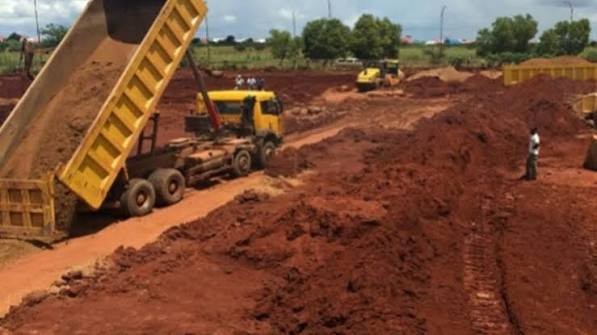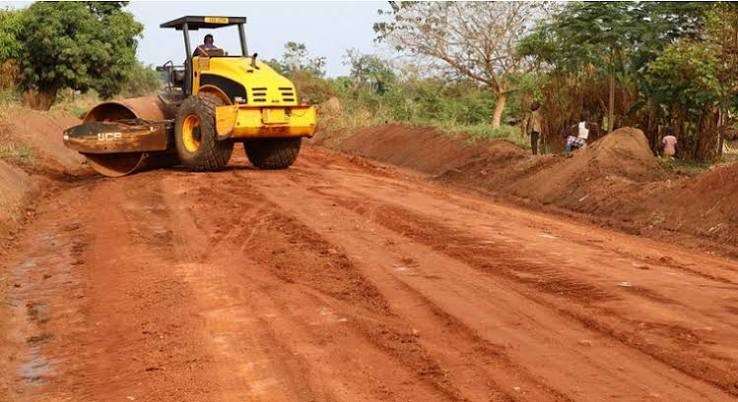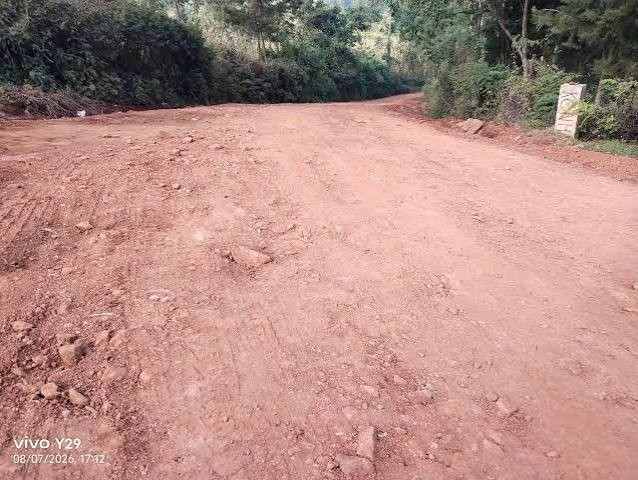
Murram road construction is one of the practical ways to improve access to homes, farms, commercial properties, institutions and rural communities in Uganda. When properly planned and constructed, a murram road can provide a reliable transport route for vehicles, pedestrians, agricultural produce and construction equipment.
However, building a durable murram road involves much more than spreading soil or gravel over the ground. The process requires proper site assessment, road alignment, earthworks, suitable construction materials, drainage installation, compaction and quality control.
Understanding the step-by-step process of murram road construction helps property owners, developers, institutions and project managers make informed decisions before starting a road project.
At Daltrev Co. Ltd, we provide civil works solutions that include murram road construction, road opening, road grading and improvement, drainage works and other infrastructure-related services. This guide explains the main stages involved in constructing a murram road in Uganda and the factors that contribute to a dependable finished surface.
What Is Murram Road Construction?
Murram road construction is the process of preparing a road foundation and placing suitable gravel or lateritic material to create a trafficable road surface. The material is selected and processed according to the engineering requirements of the project.
Murram roads are commonly used for:
- Rural and community access roads.
- Farm and agricultural access roads.
- Residential estates and private developments.
- Commercial and industrial properties.
- School, hospital and institutional access roads.
- Temporary construction access routes.
- Low-volume roads connecting communities and trading centres.
The quality and durability of a murram road depend on the condition of the underlying soil, the quality of the gravel, the expected traffic, drainage arrangements and construction workmanship.
Step-by-Step Process of Murram Road Construction
A properly managed murram road project follows a sequence of activities. Although the exact construction method varies depending on the site and engineering design, the following are the main stages.
Step 1: Site Inspection and Road Assessment
The first stage is inspecting the proposed road location to understand the existing ground conditions and identify possible construction challenges.
A site assessment helps determine the most suitable construction approach before machinery and materials are mobilised.
During this stage, the project team may assess:
- Existing ground conditions and soil characteristics.
- Road length, width and proposed alignment.
- Land levels, slopes and low-lying sections.
- Existing drainage channels and watercourses.
- Access points and nearby developments.
- Expected vehicle types and traffic volume.
- Swampy, unstable or erosion-prone sections.
- Availability and distance of suitable murram sources.
For example, a road passing through a flat, waterlogged area may require more drainage and ground improvement than a road constructed on naturally firm, well-drained ground.
A proper assessment helps identify these challenges early, reducing the likelihood of unnecessary costs and construction delays.
Step 2: Road Surveying, Alignment and Planning
After the initial inspection, the proposed road alignment and levels should be established.
Surveying helps determine the road’s position, width, gradients, elevations and relationship with the surrounding land. For larger or technically demanding projects, an appropriately qualified engineering and surveying team should prepare or review the relevant designs.
Important planning activities include:
- Establishing the road centreline.
- Identifying the road reserve and required working space.
- Determining suitable road width.
- Establishing longitudinal gradients.
- Planning road camber or crossfall for water drainage.
- Identifying locations for culverts and side drains.
- Preparing construction drawings and specifications where required.
- Estimating materials, labour, machinery and project costs.
Road dimensions should not be selected arbitrarily. They should reflect the intended traffic, terrain, safety requirements, available land and applicable road design standards.
Good planning provides a clear guide for the construction team and helps avoid costly changes during implementation.
Step 3: Clearing and Preparing the Construction Site
Once the road alignment has been established, the construction area is cleared to create working space.
Site preparation removes vegetation and unwanted materials that could interfere with construction or weaken the road foundation.
Typical activities include:
- Clearing grass, bushes and small trees within the approved working area.
- Removing tree roots and organic materials where necessary.
- Removing rubbish and other unwanted debris.
- Identifying and protecting existing utilities.
- Clearing areas required for side drains and culverts.
- Preparing access for construction machinery.
Organic materials such as roots, vegetation and unsuitable topsoil should not be buried beneath the road layers because they can decompose and cause settlement.
The cleared materials should be handled and disposed of responsibly in accordance with project and environmental requirements.
Step 4: Excavation, Earthworks and Ground Preparation
Earthworks involve shaping the existing ground to achieve the required road formation.
Depending on the terrain, the contractor may need to cut high sections, fill low sections or improve weak areas before placing the road materials.
Common earthwork activities include:
- Excavating unsuitable soil.
- Cutting high ground to the required levels.
- Filling low sections with approved material.
- Reshaping the road formation.
- Improving unstable or waterlogged sections.
- Preparing embankments where required.
- Managing excavated and surplus materials.
The road formation must provide a suitable foundation for the pavement layers.
Where the existing ground is weak, saturated or unstable, additional engineering measures may be necessary. These may include removing unsuitable material, improving the subgrade or using an approved ground-stabilisation solution.
The appropriate treatment should be based on site conditions and technical assessment rather than guesswork.
Step 5: Construction of Drainage Systems
Drainage is one of the most important stages of murram road construction in Uganda.
Rainwater that remains on or around a road can soften the gravel, cause erosion, create potholes and damage the road foundation. Effective drainage helps protect the road and improve its performance, particularly during rainy seasons.
Depending on the site design, drainage works may include:
Side drains: Channels constructed along the road to collect and direct surface water away from the carriageway.
Culverts: Structures installed beneath the road to allow water to pass from one side to the other.
Mitre drains and turnouts: Drainage outlets that help direct water away from side drains and prevent excessive water accumulation.
Cross-drainage structures: Systems designed to manage water crossing the road alignment.
Erosion protection: Suitable measures around outlets, slopes and drainage channels to reduce soil erosion.
Drainage structures must be correctly positioned and sized according to the expected water flow, catchment conditions and engineering design.
A road may have good gravel material and proper compaction but still fail prematurely if rainwater is not managed effectively.
Step 6: Selecting and Testing Suitable Murram Materials
The next stage involves identifying and obtaining suitable gravel or murram for the road layers.
Not every type of murram is suitable for road construction. Material quality affects strength, stability, compaction and resistance to weather and traffic.
Important material characteristics include:
- Suitable particle-size distribution.
- Appropriate gravel and fine-material content.
- Adequate strength for the intended road use.
- Suitable plasticity and moisture characteristics.
- Absence of excessive organic matter.
- Compliance with the project’s technical specifications.
Where required, samples should be taken for laboratory testing before the material is approved for use.
Depending on the project, tests may include grading analysis, Atterberg limits, moisture-density relationships and California Bearing Ratio (CBR) testing.
Material testing helps determine whether the proposed gravel is suitable for the intended road layer.
The location of the material source is also important because transportation distance can significantly affect the project budget.
Using unsuitable material simply because it is readily available can result in a weak road that requires frequent repairs.
Step 7: Spreading and Shaping the Murram
After the material has been approved and delivered to the site, it is spread across the prepared road formation.
Construction machinery such as motor graders, loaders and dump trucks may be used depending on the project size and site conditions.
The spreading process involves:
- Delivering approved murram to the construction area.
- Distributing the material across the required road width.
- Spreading it to the specified layer thickness.
- Removing or correcting uneven material distribution.
- Shaping the road to the required profile.
- Preparing the surface for moisture conditioning and compaction.
The material should be spread evenly to avoid weak sections and inconsistent road thickness.
For thicker pavement layers, construction may require placing and compacting the material in separate layers rather than spreading the entire depth at once.
The layer thickness must follow the approved engineering design and construction specifications.
Step 8: Moisture Conditioning and Compaction
Compaction is essential for developing a stable murram road surface.
The process involves bringing the material to a suitable moisture condition and compacting it using appropriate equipment, such as a road roller.
The main activities include:
- Checking the moisture condition of the material.
- Adding water where necessary.
- Mixing the material to distribute moisture evenly.
- Compacting the layer using suitable machinery.
- Checking the achieved density where required.
- Correcting areas that do not meet the specified requirements.
Water is important because the material needs an appropriate moisture content to achieve effective compaction. Too much or too little moisture can affect the final density and performance.
Compaction requirements should be determined by the applicable project specifications and laboratory results. There is no single compaction percentage or moisture content that applies to every murram road.
Where quality testing is required, field density tests can help verify whether the compacted layer meets the specified standard.
Proper compaction reduces excessive settlement and helps the road withstand the expected traffic.
Step 9: Shaping the Road Camber and Surface Profile
After the gravel layer has been placed and compacted, the road surface must be shaped to support effective drainage.
A properly formed road surface generally has a suitable crown or crossfall that allows rainwater to move towards the side drains rather than collect in the middle.
The shaping process may involve:
- Establishing the designed road camber.
- Correcting uneven surface levels.
- Maintaining the required road width.
- Smoothing irregularities.
- Ensuring water can drain away from the carriageway.
- Checking the transition between the road and its shoulders.
The appropriate camber depends on the road design, material characteristics and local conditions.
Poor surface shaping can result in standing water, erosion and premature deterioration, even when the road material is reasonably good.
Step 10: Construction and Finishing of Road Shoulders
Road shoulders provide support to the edges of the carriageway and help manage the transition between the road surface and surrounding ground.
Depending on the project design, shoulder works may include:
- Placing approved shoulder material.
- Shaping the shoulder to the required level.
- Compacting the shoulder material.
- Maintaining suitable crossfall.
- Connecting shoulders properly to side drains.
- Protecting exposed edges against erosion.
Properly finished shoulders help prevent edge failure and improve road usability.
Step 11: Quality Inspection and Testing
Before the road is accepted or handed over, the completed work should be inspected against the approved drawings, specifications and project requirements.
Quality control should not be left until the final day. It should take place throughout construction, particularly during earthworks, material placement, drainage installation and compaction.
Important inspection activities may include:
- Checking the road alignment and width.
- Confirming the completed levels and gradients.
- Inspecting drainage channels and culverts.
- Checking the quality of gravel materials.
- Reviewing layer thickness.
- Carrying out compaction or field density tests where specified.
- Identifying soft spots, depressions and uneven areas.
- Checking that water can drain away from the road.
- Recording outstanding defects for correction.
The Ministry of Works and Transport’s 2026 General Specifications for Road and Bridge Works provide updated technical guidance for road construction, including earthworks, gravel and crushed-stone pavement layers, drainage, testing and quality control.
Project teams should use the applicable specifications and approved project documents when determining the required tests and acceptance criteria.
Step 12: Final Finishing and Project Handover
The final stage involves completing outstanding activities and confirming that the road meets the agreed project requirements.
Finishing works may include:
- Correcting minor surface irregularities.
- Removing construction debris.
- Cleaning side drains and culvert openings.
- Completing shoulder works.
- Correcting identified defects.
- Reviewing completed drainage structures.
- Preparing relevant inspection and handover records.
The client or responsible project representative should review the completed work before formal acceptance.
Where appropriate, the handover should also include recommendations for routine road maintenance.
A murram road requires ongoing attention. Periodic grading, drainage cleaning, pothole repairs and re-gravelling when necessary can help maintain its condition.
Machinery and Equipment Used in Murram Road Construction
The machinery required depends on the road length, ground conditions, project size and construction method.
| Equipment | Main purpose |
|---|---|
| Excavator | Excavation, trenching and removal of unsuitable material |
| Bulldozer | Site clearing, pushing earth and rough ground shaping |
| Motor grader | Road formation, spreading and surface shaping |
| Wheel loader | Loading and handling gravel and other materials |
| Dump truck | Transporting murram, soil and construction materials |
| Water bowser | Supplying water for moisture conditioning and dust control |
| Road roller | Compacting road layers and surfaces |
| Survey equipment | Setting out alignment, levels and road dimensions |
Using appropriate machinery improves construction efficiency, but equipment must be operated by competent personnel and used according to the project requirements.
How Long Does Murram Road Construction Take?
There is no fixed construction period for every murram road project.
The time required depends on several factors, including:
- Total road length and width.
- Existing ground conditions.
- Amount of excavation and filling required.
- Availability and quality of murram.
- Distance between the material source and construction site.
- Number and complexity of drainage structures.
- Machinery and labour availability.
- Weather and rainfall conditions.
- Project approvals and site access.
A short access road on firm ground may take considerably less time than a longer road passing through swampy or difficult terrain.
A realistic construction programme should be prepared after site assessment and agreement on the project scope.
Factors That Determine the Cost of Murram Road Construction in Uganda
The cost of constructing a murram road varies from one project to another. A reliable quotation requires information about the site, road dimensions, material requirements and construction activities.
The main cost factors include:
1. Road length and width: Larger road dimensions generally require more materials, labour and machinery.
2. Ground conditions: Weak soil, steep slopes, swampy areas and difficult terrain may require additional earthworks and ground improvement.
3. Murram material costs: The quality, quantity and source of the gravel affect the overall budget.
4. Transportation distance: Hauling material over long distances can increase costs.
5. Drainage requirements: Side drains, culverts and other water-management structures add to the project scope.
6. Machinery and equipment: Equipment mobilisation, operating hours, fuel and maintenance contribute to construction expenses.
7. Labour and supervision: Skilled operators, site workers, technical personnel and quality monitoring are important project costs.
8. Weather conditions: Heavy rainfall can affect excavation, material handling, compaction and construction schedules.
For an accurate estimate, the project should be assessed before a final quotation is prepared.
Common Mistakes to Avoid During Murram Road Construction
Some road construction problems arise because important stages are rushed, ignored or poorly managed.
Avoid these common mistakes:
- Starting construction without proper site assessment.
- Using unsuitable gravel or untested materials.
- Ignoring weak or waterlogged sections.
- Constructing inadequate drainage systems.
- Spreading material unevenly.
- Compacting material at unsuitable moisture levels.
- Failing to achieve the designed road profile.
- Ignoring road shoulders and edges.
- Skipping required quality inspections.
- Neglecting routine maintenance after handover.
A good construction process addresses these issues before they become expensive road failures.
Why Drainage and Maintenance Matter for Murram Roads in Uganda
Uganda experiences seasonal rainfall, and water management is a major consideration when constructing unpaved roads.
Without effective drainage, water can collect on the surface, flow along the road or penetrate the pavement layers. This may lead to potholes, erosion, rutting, soft spots and loss of gravel.
Road owners and managers should therefore plan for:
- Regular cleaning of side drains.
- Inspection and clearing of culverts.
- Repair of potholes and eroded sections.
- Regrading when the surface becomes uneven.
- Replenishment of gravel where material has been lost.
- Inspection after heavy rainfall.
- Correction of drainage problems before they worsen.
Maintenance is not a substitute for good construction. It is an essential part of protecting the investment made in the road.
Why Choose Daltrev Co. Ltd for Murram Road Construction in Uganda?
Choosing a suitable civil works partner is important when planning a new road or improving an existing access route.
Daltrev Co. Ltd provides civil works and infrastructure solutions in Uganda, including:
- Murram road construction.
- Road opening and access preparation.
- Road grading and improvement.
- Land levelling and landscaping.
- Tarmac road construction.
- Drainage works.
- Bridge construction.
Daltrev follows a project approach that begins with understanding the client’s requirements, assessing site conditions, planning the work and implementing the agreed scope.
Whether you are developing a residential property, commercial facility, farm, institution or other infrastructure project, discuss your road construction requirements with the Daltrev team.
Explore our Murram Road and Civil Works Services to learn more about the solutions we offer.
You can also visit our Construction Consultancy page for information about project planning, cost guidance, technical coordination and construction supervision support.
Frequently Asked Questions About Murram Road Construction
1. What are the main steps involved in murram road construction?
The main steps include site inspection, surveying and alignment, site clearing, earthworks, drainage construction, material selection and testing, gravel spreading, moisture conditioning, compaction, surface shaping, quality inspection and final handover.
2. Which materials are used in murram road construction?
The main surfacing material is suitable gravel or lateritic material commonly called murram. Other materials may include approved fill, crushed stone, culvert materials and concrete products for drainage structures, depending on the project design.
3. Why is compaction important when constructing a murram road?
Compaction increases the density and stability of the road layers. It helps reduce excessive settlement, improves load-bearing performance and contributes to a more durable road surface.
4. Why does a murram road need drainage?
Drainage removes rainwater from the road surface and surrounding areas. Without proper drainage, water can weaken the road layers and cause potholes, erosion, rutting and surface deterioration.
5. How thick should a murram road layer be?
There is no universal thickness for every road. The required thickness depends on the road design, soil conditions, material quality, expected traffic and applicable construction specifications.
6. What machinery is needed to construct a murram road?
Common equipment includes excavators, bulldozers, motor graders, wheel loaders, dump trucks, water bowsers and road rollers. Survey equipment is also used to establish and check road alignment and levels.
7. How much does murram road construction cost in Uganda?
The cost depends on road dimensions, site conditions, material quality, transport distance, drainage requirements, machinery and labour. A site assessment and clear project scope are necessary to prepare a reliable quotation.
8. Can an existing murram road be improved?
Yes. Depending on its condition, an existing road may be improved through grading, reshaping, drainage repairs, filling damaged sections, adding suitable gravel and compacting the surface.
9. How can I make a murram road last longer?
Use suitable materials, provide effective drainage, compact the road layers properly, maintain the correct surface profile and carry out regular inspections and maintenance.
10. Does Daltrev Co. Ltd provide murram road construction services?
Yes. Daltrev Co. Ltd lists murram road construction, road opening, road grading and improvement, drainage works and related civil works among its services. Contact the team to discuss your location, project requirements and service availability.
Get Professional Murram Road Construction Services in Uganda
A successful murram road project starts with proper planning and follows a carefully managed construction process. From site inspection and earthworks to drainage installation, material selection, compaction and final inspection, every stage contributes to the performance and durability of the finished road.
If you are planning to construct a new murram road, improve an existing access road or prepare land for infrastructure development, Daltrev Co. Ltd can discuss your civil works requirements.
Contact Daltrev Co. Ltd today:
- Phone: +256 744 702 773
- Email: daltrevco@gmail.com
- Location: Kampala, Uganda
- Website: https://www.daltrevco.com/
Contact Daltrev Co. Ltd to discuss your murram road construction project and request information about the services available.
Daltrev Co. Ltd – Practical Civil Works and Construction Solutions in Uganda.