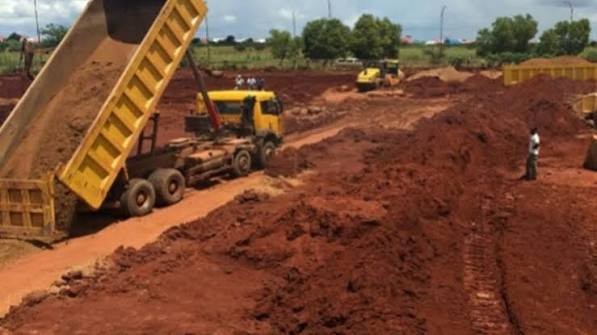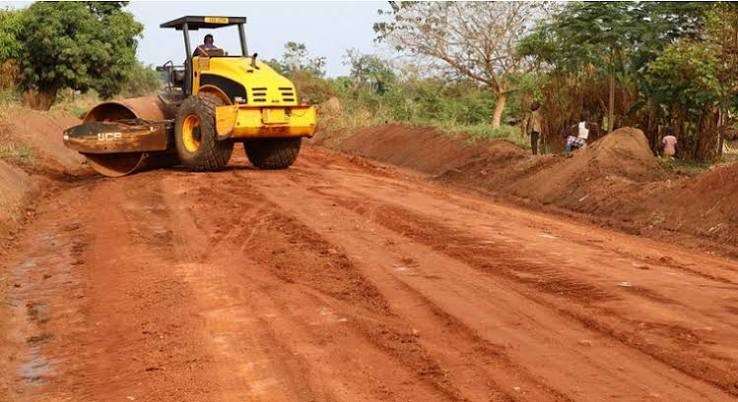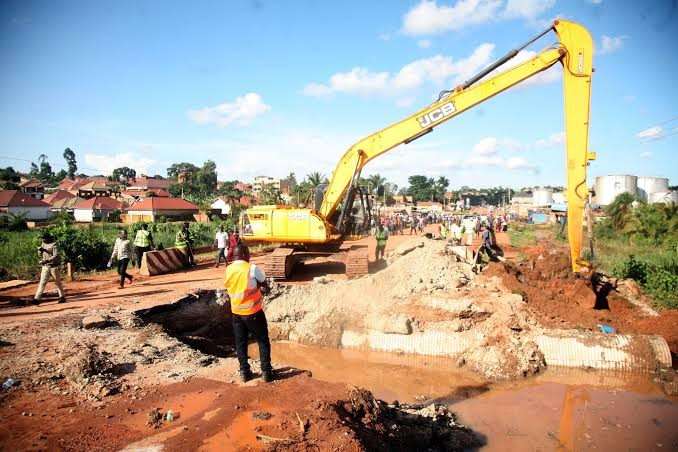
Murram roads play an important role in connecting homes, farms, businesses, schools, health facilities and communities across Uganda. They provide access to areas where paved roads may not yet be available or where gravel roads remain a practical and affordable transport solution.
However, continuous traffic, heavy vehicles, poor drainage and seasonal rainfall can gradually damage murram roads. Potholes, deep ruts, loose gravel, erosion and muddy sections can make roads difficult and unsafe to use.
This is why murram road rehabilitation and maintenance services in Uganda are essential for keeping unpaved roads accessible, reliable and suitable for their intended use.
Whether you manage a residential development, commercial property, agricultural estate, institution or community access road, understanding the difference between road maintenance and rehabilitation can help you choose the right solution.
At Daltrev Co. Ltd, we provide civil works solutions that include murram road construction, road grading and improvement, road opening, drainage works and related infrastructure services. This guide explains common murram road problems, rehabilitation methods, maintenance activities, cost considerations and what to look for when selecting a road works contractor in Uganda.
What Is Murram Road Rehabilitation?
Murram road rehabilitation is the process of restoring an existing gravel road that has deteriorated or lost some of its original functionality.
Unlike routine maintenance, which focuses on keeping a road in usable condition, rehabilitation involves more substantial work to correct damage and improve the road’s structural condition.
Depending on the extent of deterioration, murram road rehabilitation may involve:
- Removing unsuitable or badly deteriorated road material.
- Reshaping the existing road formation.
- Repairing potholes and deep ruts.
- Improving weak sections of the road.
- Supplying and placing suitable gravel.
- Reconstructing damaged drainage channels.
- Installing or repairing culverts.
- Re-establishing the road camber and surface profile.
- Compacting the repaired road layers.
- Improving shoulders and eroded sections.
The exact rehabilitation activities depend on the condition of the existing road, ground characteristics, drainage problems, traffic requirements and engineering specifications.
What Is Murram Road Maintenance?
Murram road maintenance refers to the regular activities carried out to preserve an existing gravel road and prevent minor defects from becoming major problems.
Maintenance helps retain the road’s usability, manage water and reduce deterioration caused by traffic and weather.
Common murram road maintenance activities include:
- Routine road grading.
- Filling potholes.
- Repairing minor surface defects.
- Cleaning side drains.
- Clearing culverts and drainage outlets.
- Re-shaping road shoulders.
- Controlling surface erosion.
- Replenishing lost gravel where necessary.
- Removing vegetation from drainage channels.
- Inspecting the road after heavy rainfall.
Regular maintenance is generally more manageable than waiting until a road becomes severely damaged and requires extensive rehabilitation.
Common Problems That Affect Murram Roads in Uganda
Murram roads can deteriorate for several reasons. Identifying the cause of the damage is important because simply grading the surface may not solve deeper structural or drainage problems.
1. Potholes
Potholes are depressions or holes that develop on the road surface. They may result from water infiltration, traffic loading, poor compaction or loss of surface material.
If left untreated, potholes can become deeper and wider, affecting vehicle movement and increasing road maintenance requirements.
Recommended solution: Assess the damaged area, remove loose or unsuitable material where necessary, reinstate suitable material and compact it according to the project requirements.
2. Deep Ruts and Wheel Tracks
Ruts are longitudinal depressions that develop along vehicle wheel paths. They may be caused by repeated traffic, weak road layers, poor drainage or unsuitable material.
Deep ruts can collect water and make the road difficult to use, especially during rainy weather.
Recommended solution: Identify the underlying cause, reshape the affected section and improve the road material or foundation where necessary. Compaction and drainage improvements may also be required.
3. Poor Drainage
Poor drainage is one of the major causes of murram road deterioration.
When water remains on the road surface or flows along the carriageway, it can weaken the gravel, wash away material and cause erosion.
Recommended solution: Clean and restore side drains, inspect culverts, correct the road profile and provide suitable drainage outlets.
4. Loose Gravel and Surface Loss
Traffic and rainfall can gradually remove gravel from the road surface. This may expose the underlying layer and create dusty, uneven or unstable sections.
Recommended solution: Determine whether the road requires regrading, additional suitable gravel or more extensive pavement rehabilitation.
5. Soil Erosion
Erosion occurs when uncontrolled water flow removes soil and gravel from the road surface, shoulders, embankments or drainage outlets.
It is particularly problematic on steep sections and roads without adequate drainage protection.
Recommended solution: Correct the drainage arrangement, restore eroded areas and introduce appropriate erosion-control measures based on the site conditions.
6. Muddy and Waterlogged Sections
Some roads become muddy during rainy seasons because of weak underlying soil, inadequate drainage or unsuitable road materials.
Simply adding more murram may not solve the problem if the underlying ground remains unstable.
Recommended solution: Assess the subgrade and water conditions. Depending on the engineering requirements, treatment may involve removing unsuitable material, improving the ground, providing drainage or using approved stabilisation measures.
7. Damaged Road Shoulders
Road shoulders can deteriorate due to traffic, uncontrolled water flow and inadequate support at the road edges.
Damaged shoulders may contribute to edge failure and make the road narrower or less stable.
Recommended solution: Restore shoulder levels, compact suitable material and ensure water drains away from the carriageway.
Types of Murram Road Maintenance Services
Different road conditions require different maintenance approaches. The most appropriate method should be selected after inspecting the road.
1. Routine Murram Road Maintenance
Routine maintenance involves regular activities intended to keep a road in usable condition.
Typical activities include:
- Cleaning side drains.
- Removing vegetation from drainage channels.
- Filling minor potholes.
- Clearing culvert openings.
- Correcting small surface defects.
- Removing debris from the road.
- Inspecting areas prone to erosion.
Routine maintenance is particularly useful for roads that remain structurally sound but need regular attention.
2. Periodic Road Grading
Road grading involves reshaping the existing gravel surface using a motor grader or other suitable equipment.
The process may correct minor unevenness, restore the road profile and improve surface drainage.
Typical grading activities include:
- Scraping or loosening the existing surface where necessary.
- Redistributing suitable gravel.
- Correcting potholes and surface irregularities.
- Restoring the road camber.
- Shaping the road shoulders.
- Preparing the surface for compaction where specified.
Grading is not a complete solution for every damaged road. Where the underlying layers are weak or drainage is seriously defective, additional rehabilitation may be necessary.
3. Gravel Replenishment and Re-Gravelling
Re-gravelling involves placing additional approved gravel material on an existing road where the original surface has become thin, worn or unsuitable.
The process may include:
- Inspecting the existing road.
- Identifying sections requiring additional material.
- Selecting and testing suitable gravel where required.
- Transporting the approved material.
- Spreading the material to the specified layer thickness.
- Moisture conditioning where necessary.
- Compacting the material.
- Shaping the finished road surface.
The amount and type of gravel required depend on the road design, existing pavement condition and traffic requirements.
4. Road Drainage Maintenance
Drainage maintenance helps prevent water from damaging the road.
It may involve:
- Desilting side drains.
- Removing vegetation and debris.
- Clearing culvert openings.
- Repairing damaged drainage channels.
- Restoring blocked water outlets.
- Correcting drainage around low-lying sections.
- Repairing erosion near culvert entrances and exits.
Drainage maintenance should be carried out before water-related damage becomes severe.
5. Pothole Repairs and Surface Restoration
Pothole repairs involve treating damaged sections to restore a more even and trafficable surface.
A proper repair should address the condition of the damaged material rather than simply covering the hole with loose soil.
Depending on the damage, the work may involve removing unsuitable material, reinstating approved gravel, restoring the road profile and compacting the repaired area.
6. Road Shoulder Rehabilitation
Shoulder rehabilitation restores damaged road edges and improves the transition between the carriageway and surrounding ground.
It may involve reshaping, placing suitable material, compacting the shoulders and correcting drainage problems.
Murram Road Rehabilitation Process: Step by Step
When a gravel road has deteriorated significantly, a structured rehabilitation process helps ensure that the underlying problems are addressed.
Step 1: Road Condition Assessment
The first stage involves inspecting the road to determine its current condition.
The assessment should identify:
- Potholes and surface defects.
- Rutting and depressions.
- Weak or waterlogged sections.
- Areas with gravel loss.
- Drainage problems.
- Damaged culverts.
- Erosion and unstable shoulders.
- Traffic requirements and access challenges.
This inspection helps determine whether the road needs routine maintenance, grading, re-gravelling or more extensive rehabilitation.
Step 2: Identifying the Cause of Deterioration
Before work begins, the project team should establish why the road is failing.
For example, potholes may be caused by poor drainage, while deep ruts may indicate weak pavement layers or inadequate compaction.
Addressing the visible damage without correcting its underlying cause can lead to repeated repairs.
Step 3: Preparing the Rehabilitation Plan
A rehabilitation plan identifies the work required, the construction materials, machinery, labour, drainage interventions and quality checks.
For larger or technically demanding projects, engineering assessment and appropriate designs should guide the rehabilitation work.
The plan should also establish the project scope, estimated quantities, construction sequence and expected completion period.
Step 4: Clearing and Drainage Restoration
The next stage may involve removing vegetation and debris, cleaning drainage channels and restoring culvert openings.
Where drainage structures are damaged or inadequate, additional work may be necessary.
Restoring drainage early helps protect the repaired road layers.
Step 5: Repairing Weak and Damaged Sections
Badly damaged sections may require excavation and removal of unsuitable material.
The affected areas are then treated using suitable materials and construction methods based on the technical requirements.
This stage is particularly important for roads with deep depressions, waterlogged areas and structural failures.
Step 6: Re-Gravelling and Surface Reshaping
Where the existing gravel is insufficient or unsuitable, approved material may be supplied and placed.
A motor grader can be used to distribute the material and restore the required surface profile.
The road should be shaped according to its design to support proper drainage.
Step 7: Moisture Conditioning and Compaction
The repaired layers are brought to the appropriate moisture condition and compacted using suitable equipment.
Compaction requirements should follow the relevant project specifications and material test results.
Step 8: Final Inspection and Quality Control
The completed rehabilitation work should be inspected to confirm that the road meets the agreed requirements.
Inspection may cover road levels, surface condition, drainage, material quality, layer thickness and compaction test results where specified.
Step 9: Maintenance Planning
After rehabilitation, a maintenance plan should be established.
Regular inspections, drainage cleaning, grading and timely repairs can help prevent the road from deteriorating again.
Machinery Used for Murram Road Rehabilitation and Maintenance
The machinery required depends on the nature and scale of the work.
| Equipment | Purpose |
|---|---|
| Motor grader | Road grading, reshaping and surface correction |
| Excavator | Excavation, drainage works and removal of unsuitable material |
| Bulldozer | Earthmoving, clearing and rough ground preparation |
| Wheel loader | Loading and handling gravel |
| Dump trucks | Transporting murram and other materials |
| Water bowser | Moisture conditioning and dust suppression |
| Road roller | Compaction of repaired road layers |
| Survey equipment | Checking road levels, alignment and dimensions |
Not every project requires all these machines. Equipment should be selected according to the actual road condition and work scope.
How Much Does Murram Road Rehabilitation Cost in Uganda?
The cost of murram road rehabilitation in Uganda varies depending on the amount of work required.
A road that only needs grading and drainage cleaning will generally have a different cost from one that requires excavation, replacement of weak material, new gravel layers and culvert reconstruction.
Important cost factors include:
1. Road length and width: Larger areas require more materials, machinery and labour.
2. Existing road condition: Severely damaged roads may require more extensive rehabilitation.
3. Gravel material requirements: The quantity, quality and source of suitable murram affect the total cost.
4. Transportation distance: Hauling materials from distant sources increases transport expenses.
5. Drainage works: Cleaning existing drains differs in cost from constructing new channels or installing culverts.
6. Machinery requirements: Equipment mobilisation, fuel, operating hours and maintenance affect the budget.
7. Ground conditions: Swampy areas, unstable soils and steep slopes may require additional treatment.
8. Labour and supervision: Skilled operators, technical personnel and site workers contribute to the project cost.
9. Weather and access: Rainfall and difficult site access can affect productivity and the construction programme.
For a reliable quotation, the road should be inspected and the required work clearly defined. Avoid relying on one fixed price per kilometre without considering the actual site conditions and scope.
Difference Between Murram Road Maintenance and Rehabilitation
Although the terms are related, they describe different levels of road work.
| Road maintenance | Road rehabilitation |
|---|---|
| Preserves the existing road condition | Restores a deteriorated road |
| Usually involves smaller, recurring activities | Often involves more substantial construction work |
| Includes drain cleaning and routine grading | May include excavation and replacement of weak layers |
| Repairs minor potholes and surface defects | Addresses widespread or serious road damage |
| Helps prevent deterioration | Corrects existing deterioration |
| Generally has a smaller work scope | Usually requires a more detailed assessment and plan |
The correct option depends on the actual road condition. Some roads need routine maintenance, while others require periodic grading, re-gravelling or full rehabilitation of selected sections.
Benefits of Professional Murram Road Rehabilitation and Maintenance
Properly planned road rehabilitation and maintenance can provide several benefits.
1. Improved Accessibility
Maintaining the road surface and drainage helps vehicles and pedestrians access homes, farms, businesses and community facilities more reliably.
2. Reduced Road Deterioration
Timely repairs help prevent minor defects from developing into more serious damage.
3. Better Rainy-Season Performance
Effective drainage and suitable road materials help reduce water-related deterioration.
4. Improved Vehicle Movement
Correcting potholes, ruts and uneven surfaces can make travel more comfortable and reduce difficulties for road users.
5. Protection of Infrastructure Investment
Regular maintenance helps preserve the value of the original road construction or rehabilitation investment.
6. Improved Access for Businesses and Farms
Reliable access roads support the movement of agricultural produce, goods, workers, construction materials and service vehicles.
7. Better Community Connectivity
Maintained roads help connect communities to markets, schools, health facilities and other essential services.
How to Choose a Murram Road Rehabilitation Contractor in Uganda
Selecting the right contractor is an important part of any road improvement project.
Before engaging a company, consider the following:
1. Relevant civil works experience: Look for evidence of experience with road construction, grading, earthworks and drainage activities.
2. Site assessment: A suitable contractor should understand the road’s condition before recommending work.
3. Clear work scope: The quotation should explain whether the work involves grading, drainage repairs, re-gravelling, excavation or other rehabilitation activities.
4. Material suitability: Ask how gravel quality will be assessed and whether required material tests will be carried out.
5. Machinery and resources: Confirm that the necessary equipment and personnel can be made available for the project.
6. Drainage approach: Ensure that water management is included in the assessment and work plan.
7. Quality control: Ask how completed work, material quality and compaction will be checked.
8. Cost transparency: Request a clear quotation that explains the quantities, activities, transport and other major cost components.
9. Project supervision: Establish who will coordinate and monitor the work.
10. Maintenance recommendations: A good road improvement plan should consider how the road will be maintained after completion.
For public road contracts, confirm the applicable procurement, registration, approval and technical requirements before appointing a contractor.
Why Consider Daltrev Co. Ltd for Murram Road Works in Uganda?
Choosing a civil works company with relevant road and infrastructure services can help property owners and project managers organise their road improvement requirements.
Daltrev Co. Ltd provides civil works and construction solutions in Uganda, including:
- Murram road construction.
- Road opening and access preparation.
- Road grading and improvement.
- Land levelling and landscaping.
- Tarmac road construction.
- Drainage works.
- Bridge construction.
Our civil works approach includes understanding the client’s requirements, assessing site conditions, planning the work and implementing the agreed project scope.
If your existing gravel road has potholes, uneven surfaces, poor drainage or sections that require improvement, contact Daltrev to discuss the condition of your road and the services available for your project.
Explore our Civil Works Services in Uganda to learn more about our road construction, grading, improvement and drainage services.
You can also visit our Construction Project Management page to learn about our project management support.
Frequently Asked Questions About Murram Road Rehabilitation and Maintenance in Uganda
1. What is murram road rehabilitation?
Murram road rehabilitation is the process of restoring a damaged gravel road through activities such as excavation, drainage improvement, re-gravelling, reshaping and compaction.
2. What services are included in murram road maintenance?
Common services include road grading, pothole repairs, drainage cleaning, culvert clearing, shoulder repairs, erosion control and gravel replenishment.
3. How often should a murram road be maintained?
There is no fixed maintenance interval for every road. Inspection frequency depends on traffic, rainfall, road material, drainage conditions and the rate of deterioration. Roads should be inspected regularly and after significant rainfall.
4. Can a badly damaged murram road be repaired?
Yes. The appropriate solution depends on the extent of damage. Some roads can be restored through grading and re-gravelling, while severely damaged sections may require excavation, ground improvement, drainage reconstruction and replacement of unsuitable material.
5. Why do murram roads develop potholes?
Potholes can develop due to water infiltration, weak road layers, poor drainage, inadequate compaction, unsuitable gravel and repeated traffic loading.
6. Is grading enough to rehabilitate a murram road?
Not always. Grading can correct surface irregularities and restore the road profile, but it may not solve structural failures, waterlogged ground or serious drainage problems. The road should be assessed before selecting a repair method.
7. What machinery is used for murram road maintenance?
Common machinery includes motor graders, excavators, wheel loaders, dump trucks, water bowsers and road rollers. The equipment required depends on the type and scale of maintenance.
8. How much does murram road rehabilitation cost in Uganda?
The cost depends on road length, existing damage, gravel requirements, drainage works, machinery, labour and transport distance. A site inspection is necessary to prepare a reliable project quotation.
9. How can I prevent my murram road from deteriorating quickly?
Provide effective drainage, use suitable gravel, ensure proper compaction, maintain the road profile, repair defects promptly and carry out regular inspections.
10. Does Daltrev Co. Ltd offer road grading and improvement services?
Yes. Daltrev Co. Ltd lists road grading and improvement, murram road construction, road opening and drainage works among its civil works services. Contact the company to discuss your project requirements and confirm service availability.
Contact Daltrev Co. Ltd for Murram Road Rehabilitation and Maintenance Services
A damaged murram road does not always need complete reconstruction. In many cases, the right combination of grading, drainage improvement, gravel replenishment and targeted repairs can restore its usability.
The most important step is identifying the cause of deterioration and choosing a solution that addresses the actual condition of the road.
If you need murram road construction, road grading, road improvement or drainage works in Uganda, contact Daltrev Co. Ltd to discuss your project.
Daltrev Co. Ltd Contact Details
- Phone: +256 744 702 773
- Email: daltrevco@gmail.com
- Location: Kampala, Uganda
- Website: https://www.daltrevco.com/
Contact Daltrev Co. Ltd to discuss your road works requirements and request information about the services available.
Daltrev Co. Ltd – Practical Civil Works and Construction Solutions in Uganda.