
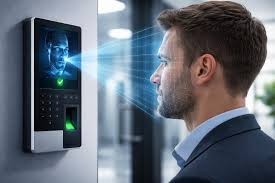
Security is a major priority for businesses, commercial buildings, institutions and residential properties. As organisations look for more reliable ways to control access to their premises, traditional security methods such as keys, passwords and access cards are increasingly being complemented by advanced biometric technologies. One of the most effective innovations is the facial recognition access control system.
Facial recognition access control systems use advanced biometric technology to identify individuals by analysing their unique facial characteristics. Instead of relying on physical keys, identification cards or PIN codes, these systems verify a person’s identity using a camera and specialised facial recognition software before granting or denying access.
In Uganda, facial recognition technology is becoming an important consideration for organisations seeking to strengthen security, improve employee management and modernise building access procedures. From corporate offices and banks to hospitals, universities, hotels, factories and residential developments, facial recognition systems offer a convenient and intelligent approach to access management.
At Daltrevco, we recognise the importance of modern security infrastructure in protecting people, property and business operations. Understanding how facial recognition access control systems work, their benefits and their applications can help property owners and organisations make informed security investment decisions.
What Is a Facial Recognition Access Control System?
A facial recognition access control system is a biometric security solution that identifies or verifies individuals using their facial features. It captures an image of a person’s face and compares it with previously registered facial data stored in an access control database.
When an individual approaches a secured entrance, the system uses a camera to capture their face. Facial recognition software analyses distinguishing facial characteristics and compares them against authorised user profiles.
If the individual’s identity is successfully verified and the person has permission to enter, the system activates an electronic locking mechanism to unlock the door, gate or turnstile. If verification fails or the individual does not have access privileges, entry is denied.
Unlike conventional access control systems that depend on cards, keys or passwords, facial recognition systems use biometric identity verification to provide an additional layer of security.
Modern facial recognition access control solutions may also incorporate:
- High-definition facial recognition cameras.
- Artificial intelligence-powered recognition software.
- Biometric access control terminals.
- Electronic door locks and magnetic locks.
- Access control panels and controllers.
- Centralised user management software.
- Attendance monitoring and reporting systems.
- Anti-spoofing and facial liveness detection technology.
- Integration with CCTV surveillance systems.
These components work together to create a controlled, automated and intelligent security environment.
How Do Facial Recognition Access Control Systems Work?
Understanding how facial recognition access control systems operate helps businesses determine whether this technology is suitable for their security requirements.
The process generally involves the following stages.
1. Facial Registration and Enrolment
Before using the system, authorised individuals must be registered. During enrolment, a camera captures their facial image and the software converts the relevant facial characteristics into a digital biometric template.
The template is securely stored within the access control system or an authorised connected database.
Each registered individual can then be assigned specific access permissions depending on their position, department, working hours or security clearance.
2. Facial Image Capture
When someone approaches a secured entrance, the facial recognition camera captures their face.
Modern systems can operate in different lighting conditions, although their performance depends on camera quality, positioning, environmental conditions and the technology used.
3. Facial Feature Analysis
The recognition software analyses distinctive facial characteristics and creates a mathematical representation of the face.
Depending on the technology, these characteristics may include facial proportions, the distance between facial landmarks and other distinguishing patterns.
4. Identity Verification
The system compares the captured facial data against registered biometric templates.
Depending on the configuration, the system may perform one-to-one verification, checking whether a person matches a claimed identity, or one-to-many identification, searching a database for a possible match.
5. Access Approval or Denial
If the individual is successfully verified and has the necessary permissions, the system sends a signal to the access control panel.
The panel activates the electronic locking mechanism, allowing entry.
If the person is not recognised, lacks the required permissions or fails verification, access is denied.
6. Recording and Monitoring
Many facial recognition access control systems automatically record access events, including successful entries, rejected attempts and relevant timestamps.
Security administrators can review these records to monitor building access, investigate incidents and improve security management.
Key Benefits of Facial Recognition Access Control Systems
Facial recognition technology offers several advantages over traditional access control methods. Its ability to combine biometric identification, automated verification and centralised access management makes it a valuable security investment for modern properties.
1. Enhanced Security Through Biometric Identification
One of the biggest advantages of facial recognition access control systems is their ability to verify individuals using biometric characteristics.
Traditional access cards can be lost, stolen, copied or shared between employees. PIN codes and passwords can also be disclosed to unauthorised individuals.
Facial recognition reduces dependence on these physical credentials by verifying the person attempting to enter.
This makes it more difficult for unauthorised individuals to gain access using another person’s access card or password.
For organisations handling valuable equipment, confidential information or sensitive operations, biometric access control can provide an important additional layer of protection.
2. Contactless and Convenient Access
Facial recognition systems allow authorised individuals to enter secured premises without touching keypads, fingerprint scanners or card readers.
Users simply approach the recognition terminal, allowing the camera to verify their identity.
This contactless approach is particularly useful in:
- Hospitals and healthcare facilities.
- Corporate office buildings.
- Hotels and hospitality establishments.
- Universities and educational institutions.
- Industrial facilities.
- High-traffic commercial buildings.
Contactless access also reduces the need for employees and visitors to carry physical access cards or remember multiple security codes.
3. Eliminates Dependence on Physical Access Cards
Businesses using traditional card-based systems often experience problems involving misplaced cards, damaged credentials and unauthorised card sharing.
Replacing lost cards can also create additional administrative expenses.
Facial recognition systems reduce these challenges by using registered biometric credentials instead of requiring individuals to present a physical access card every time they enter a secured area.
This can simplify access management, particularly in organisations with large workforces.
4. Faster Access Verification
Modern facial recognition terminals can verify authorised users within seconds, depending on the system’s specifications and operating conditions.
This makes them suitable for entrances that experience high volumes of daily traffic.
Businesses, universities, factories and commercial facilities can reduce unnecessary delays associated with manual identity checks or searching for access cards.
Fast authentication can improve movement through designated entry points while maintaining controlled access.
5. Improved Employee Attendance Management
Facial recognition access control systems can integrate with time and attendance management software.
Employees can use designated facial recognition terminals to record their arrival and departure times.
The system can automatically capture attendance records, reducing dependence on manual registers and conventional clock-in procedures.
Depending on the software, administrators can generate reports covering:
- Employee arrival times.
- Departure times.
- Attendance history.
- Late arrivals.
- Working hours.
- Access activity.
- Shift-related records.
This makes facial recognition technology useful for organisations seeking to improve workforce accountability and attendance administration.
However, organisations should ensure that attendance monitoring is configured transparently and in accordance with applicable employment and data protection requirements.
6. Better Access Control and Permission Management
Facial recognition systems allow administrators to assign different access privileges to different individuals.
For example, employees may be authorised to enter general office areas, while management personnel may have access to restricted departments.
Visitors may receive temporary access permissions, while contractors can be assigned access limited to particular locations and working hours.
This provides better control over who can enter specific areas of a property.
7. Reduced Security Administration Costs
Although facial recognition access control systems require an initial investment in equipment, software and installation, they can reduce certain recurring administrative expenses.
Organisations may spend less on replacing lost access cards, issuing new credentials and managing physical keys.
Automated access records can also reduce the administrative workload associated with manual security registers.
The overall financial benefit depends on the size of the organisation, the number of access points, the system configuration and maintenance requirements.
8. Real-Time Monitoring and Access Records
Many advanced facial recognition access control solutions provide centralised monitoring capabilities.
Security personnel and authorised administrators can review access activities through management software.
Depending on the system, they may receive notifications about rejected entry attempts, unusual access activity and attempts to enter restricted areas.
These records can support security investigations, improve accountability and help organisations identify potential security weaknesses.
9. Integration with Other Security Systems
Facial recognition access control systems can be integrated with other electronic security technologies.
For example, an organisation can connect facial recognition terminals with:
- CCTV surveillance systems.
- Intruder alarm systems.
- Electronic door locks.
- Turnstile access control systems.
- Visitor management platforms.
- Employee attendance software.
- Centralised building security management systems.
Integration allows different security technologies to work together, creating a more coordinated security environment.
10. Scalability for Growing Organisations
Modern facial recognition access control solutions can be designed to support multiple doors, departments, buildings and locations.
As an organisation expands, administrators may add more recognition terminals and access points without necessarily replacing the entire system.
This makes the technology suitable for growing businesses, educational institutions, commercial developments and organisations operating from multiple premises.
Applications of Facial Recognition Access Control Systems
Facial recognition technology can be used in different environments where identity verification and controlled entry are important.
The following are some of the most common applications.
1. Corporate Offices and Business Premises
Corporate offices handle employees, clients, suppliers and visitors throughout the working day. Controlling access to these premises is essential for protecting business information, equipment and personnel.
Facial recognition access control systems help businesses verify employees and authorised visitors before allowing them into designated areas.
They can be installed at:
- Main office entrances.
- Executive offices.
- Server rooms.
- Records departments.
- Finance departments.
- Meeting rooms.
- Restricted operational areas.
Integration with employee attendance software can also help businesses monitor staff arrival and departure times.
2. Banks and Financial Institutions
Banks and financial institutions require strong security controls because they handle sensitive customer information, financial records and valuable assets.
Facial recognition access control systems can help restrict access to authorised personnel in selected areas.
Potential applications include:
- Staff-only entrances.
- Administrative departments.
- Server and data rooms.
- Cash processing areas.
- Records storage facilities.
- Restricted operational offices.
The technology should form part of a wider security strategy that includes CCTV surveillance, alarms, physical security and appropriate identity verification procedures.
3. Hospitals and Healthcare Facilities
Hospitals operate around the clock and have different departments with varying security requirements.
Some areas must remain accessible to patients and visitors, while others require strict access restrictions.
Facial recognition access control systems can help manage entry into:
- Medical records departments.
- Pharmaceutical storage rooms.
- Laboratories.
- Intensive care units.
- Staff-only areas.
- Medical equipment storage facilities.
- Administrative offices.
These systems can support controlled access while helping healthcare administrators manage authorised personnel.
Healthcare facilities should pay particular attention to patient privacy and the secure handling of biometric information.
4. Schools, Colleges and Universities
Educational institutions need reliable security arrangements to protect students, teachers, employees and institutional property.
Facial recognition access control systems can help manage access to selected school and university facilities.
Applications include:
- Administrative offices.
- Staff entrances.
- Computer laboratories.
- Research laboratories.
- Student accommodation.
- Examination departments.
- Restricted academic facilities.
For institutions considering biometric systems for student access or attendance, appropriate parental or guardian involvement, transparency and applicable data protection requirements should be considered.
5. Hotels, Resorts and Hospitality Facilities
Hotels and resorts receive guests, employees, suppliers and contractors throughout the day.
Facial recognition access control can help manage entry into selected restricted operational areas.
Examples include:
- Staff-only entrances.
- Management offices.
- Equipment storage rooms.
- Security control rooms.
- Restricted service areas.
- Administrative departments.
Depending on the configuration, the system can also support integration with wider hotel security and access management infrastructure.
Guest-facing applications should be carefully designed to respect privacy and provide appropriate alternatives.
6. Factories and Industrial Facilities
Factories and industrial facilities often contain expensive machinery, raw materials, production equipment and hazardous working environments.
Restricting access to authorised personnel is important for workplace security and operational safety.
Facial recognition access control systems can be installed at:
- Factory entrances.
- Production departments.
- Electrical control rooms.
- Equipment storage areas.
- Chemical storage facilities.
- Management offices.
- Restricted operational zones.
Administrators can assign permissions according to employees’ job responsibilities and authorised working areas.
7. Warehouses and Logistics Facilities
Warehouses handle valuable inventory, equipment and goods that may be vulnerable to theft or unauthorised access.
Facial recognition systems can help warehouse operators control access to designated storage and operational areas.
They are particularly useful for:
- Main warehouse entrances.
- Inventory storage departments.
- Dispatch areas.
- Loading and unloading zones.
- Management offices.
- Restricted goods storage areas.
When integrated with CCTV surveillance, access control can provide additional visibility into security activities.
8. Government Buildings and Public Institutions
Government offices and public institutions often contain confidential records, sensitive information and restricted operational departments.
Facial recognition access control systems can help administrators regulate entry into selected areas.
Potential applications include:
- Administrative offices.
- Records departments.
- Data centres.
- Staff-only entrances.
- Restricted operational facilities.
- Security control rooms.
The system should be selected and configured according to the institution’s security classification, privacy requirements and operational policies.
9. Residential Apartments and Gated Communities
Modern residential developments increasingly require reliable ways to manage access for residents, visitors, domestic workers and service providers.
Facial recognition technology can be incorporated into selected residential security arrangements.
Applications include:
- Apartment building entrances.
- Residential reception areas.
- Clubhouse entrances.
- Gym facilities.
- Shared recreational facilities.
- Restricted parking and service areas.
When combined with CCTV cameras, electronic gates and visitor management systems, facial recognition can contribute to a more coordinated residential security solution.
10. Data Centres and Server Rooms
Data centres and server rooms contain critical digital infrastructure and sensitive business information.
Unauthorised entry can expose organisations to serious operational, financial and information security risks.
Facial recognition access control systems can provide an additional identity verification layer at restricted entrances.
They may be used alongside PIN authentication, access cards, CCTV surveillance and other security measures to strengthen protection.
Facial Recognition Access Control vs Traditional Access Control Systems
Businesses evaluating access control technologies should understand the differences between facial recognition and conventional security solutions.
| Feature | Facial Recognition | Card-Based Access | PIN-Based Access |
|---|---|---|---|
| Identification method | Facial biometrics | Access card | Security code |
| Contactless operation | Yes | Usually requires card presentation | Usually requires keypad interaction |
| Lost credential risk | No physical card to lose | Yes | Codes can be forgotten or shared |
| Credential sharing | More difficult, with suitable liveness detection | Possible | Possible |
| Attendance integration | Supported by compatible systems | Supported by compatible systems | Supported by compatible systems |
| User convenience | High when properly configured | High | Depends on code management |
| Biometric data protection | Required | Not normally required for card-only systems | Not normally required for PIN-only systems |
The best access control solution depends on the organisation’s security requirements, budget, number of users and operational environment.
For particularly sensitive locations, facial recognition can also be combined with access cards or PIN codes to create multi-factor authentication.
Important Features to Consider When Choosing a Facial Recognition Access Control System
Not all facial recognition access control systems offer the same capabilities. Selecting the right equipment is important for achieving reliable performance and long-term security.
Businesses in Uganda should consider the following features before investing in a system.
1. Recognition Accuracy
Choose a system with reliable facial recognition capabilities.
Consider its ability to identify authorised users under different lighting conditions, facial angles and normal environmental variations.
Manufacturers’ performance specifications should be evaluated under conditions similar to those expected at the installation site.
2. Anti-Spoofing and Liveness Detection
A reliable facial recognition system should incorporate appropriate anti-spoofing technology.
Liveness detection helps distinguish a real person from photographs, video playback or other presentation attacks.
This feature is particularly important in environments where security is a high priority.
3. Fast Authentication
Consider the speed at which the system can verify users.
A fast recognition process helps reduce queues at busy entrances while maintaining controlled access.
4. User Capacity
The system should support the number of employees, residents, visitors or authorised users expected to access the premises.
Organisations should also consider future expansion when selecting equipment.
5. Integration Capabilities
Choose equipment that can integrate with existing security infrastructure where required.
Compatibility with electronic locks, access control panels, CCTV cameras, attendance software and other systems can improve overall security management.
6. Access Management Software
The management software should allow administrators to register users, assign access permissions, manage schedules and review access records.
Centralised management is particularly useful for organisations with several entrances or multiple buildings.
7. Performance in Different Lighting Conditions
Lighting can affect facial recognition performance.
Consider systems designed to operate in the actual lighting conditions of the installation environment, including indoor entrances, outdoor gates and areas with changing illumination.
8. Data Security and Privacy Protection
Facial recognition systems process biometric information, making data protection an important consideration.
Organisations should evaluate:
- Secure biometric data storage.
- Data encryption.
- Administrator access restrictions.
- User consent and transparency procedures.
- Data retention policies.
- Secure system updates.
- Protection against unauthorised access to biometric records.
In Uganda, organisations should consider their obligations under the Data Protection and Privacy Act, 2019, and applicable regulations when collecting and processing personal biometric information.
9. Power Backup and Reliability
Security systems should remain dependable during power interruptions.
Consider suitable backup power arrangements, including uninterruptible power supplies (UPS), batteries or other appropriate backup solutions.
The access control design should also include an emergency exit and fail-safe or fail-secure arrangements appropriate to the building, fire safety requirements and applicable regulations.
10. Technical Support and Maintenance
Choose a system that can be professionally installed, configured and maintained.
Access to technical support, software updates, troubleshooting and replacement components can help maintain long-term system reliability.
Factors That Determine the Cost of Facial Recognition Access Control Systems in Uganda
The cost of installing a facial recognition access control system in Uganda varies depending on the size, specifications and complexity of the project.
There is no single installation price suitable for every property because different organisations have different security requirements.
The main cost factors include:
1. Type of facial recognition equipment: Advanced recognition terminals with higher processing capabilities, improved cameras and additional security features may cost more than basic models.
2. Number of access points: A project requiring facial recognition at several doors or entrances will generally require more equipment and installation work.
3. Number of registered users: Organisations with large employee populations may require systems with higher user capacities and more advanced management software.
4. Electronic locking mechanisms: The type of door lock, magnetic lock, electric strike or automated gate mechanism affects the overall project cost.
5. Software and system integration: Connecting facial recognition terminals to CCTV, attendance software, alarms and centralised security platforms may increase the installation cost.
6. Existing infrastructure: Properties with existing access control wiring, network connections and suitable doors may require less additional infrastructure than new installations.
7. Installation complexity: Factors such as building layout, door construction, cable routing, network availability and the number of entry points influence labour and installation costs.
8. Power backup requirements: UPS units and additional backup power arrangements may add to the overall investment.
For an accurate quotation, businesses should arrange a site assessment to determine the appropriate equipment, installation requirements and system configuration.
Common Challenges of Facial Recognition Access Control Systems
Although facial recognition technology offers several advantages, businesses should understand its limitations before installation.
Lighting and Environmental Conditions
Poor lighting, strong sunlight, reflections and camera positioning can affect recognition performance.
Professional installation and appropriate equipment selection help minimise these challenges.
Changes in Facial Appearance
Significant changes in appearance, facial coverings, protective equipment and certain accessories may affect recognition.
Systems should be selected based on the actual conditions in which they will operate, with suitable alternative authentication procedures available.
Initial Installation Investment
Facial recognition systems may require a higher initial investment than basic card or PIN-based access control systems.
However, the long-term value should be evaluated in relation to security improvements, administrative efficiency and operational requirements.
Biometric Data Privacy
Facial recognition systems process sensitive personal information.
Organisations must establish appropriate procedures for lawful data collection, secure storage, authorised access, retention and deletion.
Dependence on Technology
Like other electronic security systems, facial recognition equipment depends on reliable power, functioning hardware and correctly configured software.
Regular maintenance, backup power and alternative entry procedures are important for maintaining reliable operations.
Why Professional Installation of Facial Recognition Access Control Systems Matters
Purchasing advanced facial recognition equipment is only one part of establishing an effective security solution. Proper system design, installation and configuration are equally important.
Professional installation helps ensure that the system operates correctly and provides the intended level of security.
A professional access control installation process generally involves:
- Site assessment: Evaluating the property, identifying vulnerable entrances and understanding the organisation’s security requirements.
- System design: Determining the number of facial recognition terminals, access points, controllers and electronic locking mechanisms required.
- Equipment selection: Choosing suitable facial recognition devices, software and compatible security components.
- Infrastructure preparation: Preparing doors, electrical connections, network infrastructure and mounting locations.
- Equipment installation: Installing recognition terminals, controllers, electronic locks and associated components.
- System configuration: Registering authorised users, establishing access permissions and configuring operating schedules.
- Integration: Connecting the system to compatible CCTV cameras, attendance software and other security technologies.
- Testing and commissioning: Testing recognition performance, access permissions, locking mechanisms and emergency procedures.
- User training: Training administrators and relevant security personnel on system operation and management.
- Maintenance planning: Establishing a maintenance schedule to support continued system performance.
Working with an experienced security systems provider helps reduce installation errors and ensures the solution is suited to the property’s requirements.
Facial Recognition Access Control Systems for Businesses in Uganda
As businesses in Uganda continue to modernise their security infrastructure, facial recognition access control offers an opportunity to improve identity verification and building access management.
Organisations in Kampala, Wakiso, Entebbe and other commercial centres can consider this technology for offices, factories, warehouses, educational institutions, healthcare facilities and residential developments.
The most suitable solution depends on the property’s layout, number of users, security priorities and existing infrastructure.
For businesses seeking a comprehensive security solution, facial recognition technology can be combined with CCTV surveillance, biometric access control, RFID card readers, electric locks, alarm systems and other security technologies.
This integrated approach helps organisations establish more effective control over their premises while supporting daily operations.
Why Choose Daltrevco for Access Control and Security Solutions in Uganda?
Choosing the right security systems provider is an important part of protecting your property, employees, customers and business assets.
At Daltrevco, we focus on delivering practical solutions that address the security and infrastructure needs of businesses, institutions and property owners.
When planning an access control installation, it is important to work with a provider that understands the relationship between security equipment, building infrastructure, electrical installations and operational requirements.
Whether you are securing a corporate office, commercial building, factory, warehouse, institution or residential development, Daltrevco can help you explore suitable access control and security system solutions.
A properly designed security installation should consider:
- The property’s access control requirements.
- The number and location of entry points.
- Suitable biometric and electronic access technologies.
- Integration with existing CCTV and security systems.
- Power and network infrastructure.
- Future expansion and maintenance requirements.
Contact Daltrevco to discuss your security infrastructure requirements and explore suitable access control solutions for your property in Uganda.
Frequently Asked Questions About Facial Recognition Access Control Systems
1. What is a facial recognition access control system?
A facial recognition access control system is a biometric security solution that verifies individuals using their facial characteristics before granting or denying access to a secured building, room or restricted area.
2. How does facial recognition access control work?
The system captures a person’s face using a camera, analyses distinctive facial characteristics and compares the results with registered biometric templates. If the person is verified and authorised, the system activates the electronic door lock.
3. Are facial recognition access control systems secure?
Facial recognition systems can improve security by reducing dependence on physical access cards and shared passwords. However, their effectiveness depends on recognition accuracy, liveness detection, proper configuration, secure biometric data handling and integration with other security measures.
4. Where can facial recognition access control systems be installed?
They can be installed in corporate offices, banks, hospitals, schools, universities, hotels, factories, warehouses, government buildings, apartment complexes and data centres.
5. Can facial recognition systems record employee attendance?
Yes. Compatible facial recognition access control systems can integrate with time and attendance software to record employee arrival and departure times and generate attendance reports.
6. Can facial recognition access control work with CCTV cameras?
Yes. Depending on compatibility, facial recognition access control systems can be integrated with CCTV surveillance to improve security monitoring and provide additional visibility into access events.
7. Do facial recognition systems work without internet access?
Many facial recognition terminals can perform local authentication without an active internet connection. However, remote monitoring, cloud-based administration and some software integrations may require network connectivity.
8. Can facial recognition access control systems be used outdoors?
Yes. Suitable outdoor-rated devices can be installed at gates and external entrances. Equipment selection should consider weather protection, lighting conditions, temperature and the installation environment.
9. How much does a facial recognition access control system cost in Uganda?
The cost depends on the equipment selected, number of access points, user capacity, electronic locks, software, integration requirements and installation complexity. A site assessment is recommended to establish an accurate project quotation.
10. Is facial recognition better than card-based access control?
Facial recognition offers the advantage of biometric identity verification without requiring users to carry physical access cards. However, card-based systems may be more economical for some applications. The best choice depends on the organisation’s security requirements, budget and operational needs.
11. Can facial recognition access control be combined with fingerprint scanners?
Yes. Compatible systems can combine facial recognition and fingerprint authentication to provide additional biometric verification. Some installations also support PIN codes or access cards for multi-factor authentication.
12. Is facial recognition access control suitable for small businesses?
Yes. Small businesses can benefit from facial recognition access control, particularly when they need to secure offices, monitor employee access or protect restricted areas. The system should be selected according to the business’s size and security requirements.
Conclusion: Invest in Smarter Access Control with Facial Recognition Technology
Facial recognition access control systems are transforming how businesses and institutions manage building security. By using biometric identity verification, these systems offer convenient entry, improved access management, reduced dependence on physical credentials and opportunities for more efficient employee attendance monitoring.
From corporate offices and financial institutions to hospitals, universities, factories, warehouses and residential developments, facial recognition technology provides a flexible solution for different security environments.
However, achieving reliable results requires the right equipment, professional installation, appropriate system integration and responsible biometric data management.
For businesses and property owners in Uganda looking to modernise their security infrastructure, facial recognition access control is a technology worth considering.
Contact Daltrevco today to discuss professional access control and security solutions for your business, institution or property in Uganda.

