Introduction
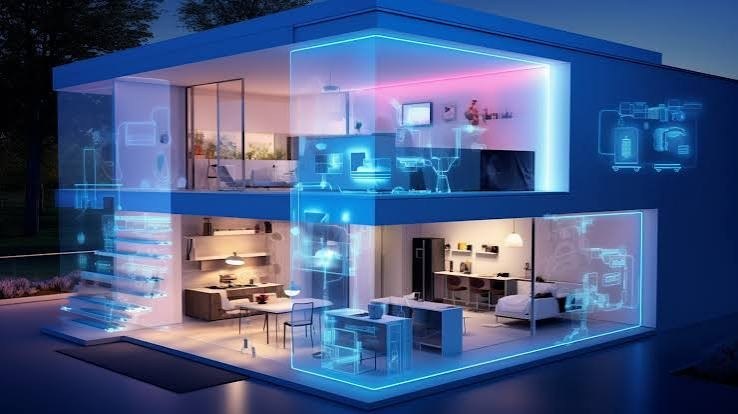
The residential construction industry is experiencing a major transformation as technology continues to redefine how modern homes are designed, constructed, managed, and experienced. Traditional residential properties are gradually evolving into intelligent living environments where lighting, security, energy management, climate control, and household appliances can communicate and operate automatically.
This transformation is driven by residential automation, an advanced approach to managing household systems through connected devices, intelligent sensors, artificial intelligence (AI), and centralised control platforms.
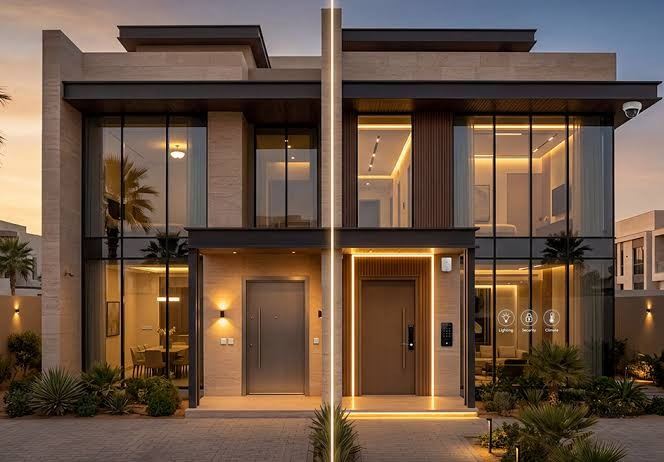
As cities expand and demand for modern housing increases, property developers, architects, engineers, and homeowners are recognising the importance of incorporating smart technologies into residential developments. Modern housing is no longer defined solely by architectural appearance, location, and building materials. It is increasingly defined by connectivity, automation, sustainability, security, and the ability to adapt to changing lifestyle requirements.
The future of residential automation will involve more intelligent homes, integrated building management systems, renewable energy technologies, predictive maintenance, and personalised living experiences.
From individual smart houses to large residential estates and apartment complexes, automation is expected to play an increasingly important role in shaping the next generation of residential developments.
In this article, we explore the future of residential automation in modern housing developments, emerging technologies, key benefits, industry trends, implementation challenges, and how smart home automation is transforming residential construction.
1. What Is Residential Automation?
Residential automation refers to the use of connected technologies, sensors, controllers, and software platforms to monitor and automatically manage different functions within a residential property.
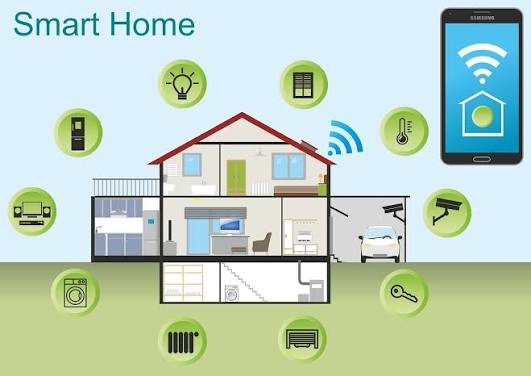
It allows homeowners and property managers to control systems such as lighting, security, heating, ventilation, air conditioning, entertainment, and energy consumption through centralised platforms, mobile applications, or voice commands.
Unlike traditional residential systems that depend largely on manual operation, automated homes can respond to programmed instructions, occupancy information, environmental conditions, and other supported triggers.
Examples of Residential Automation Technologies
- Smart lighting and automated switches.
- Intelligent security and CCTV surveillance.
- Smart door locks and access control systems.
- Automated curtains and window blinds.
- Smart thermostats and climate control.
- Connected household appliances.
- Smart energy monitoring systems.
- Automated water management systems.
- Solar power and battery management.
- Centralised home automation platforms.
These technologies work together to create connected residential environments that improve convenience, efficiency, security, and comfort.
2. Artificial Intelligence Will Transform Residential Automation
Artificial intelligence is expected to become one of the most influential technologies shaping the future of residential automation.
Traditional automation systems generally operate according to predefined schedules or instructions. AI-powered systems introduce more advanced capabilities by analysing information, recognising patterns, and supporting adaptive automation.
For example, an intelligent home system may analyse household lighting preferences and suggest automated lighting schedules based on repeated behaviour.
Similarly, connected energy management platforms can analyse electricity consumption patterns and identify opportunities to improve efficiency.
Future Applications of AI in Residential Automation
Predictive Home Automation: Systems will increasingly use historical information and current conditions to support automated adjustments.
Intelligent Energy Management: AI-powered platforms can help optimise electricity consumption and coordinate compatible renewable energy systems.
Advanced Security Monitoring: Intelligent surveillance systems can analyse video and sensor information to identify selected events and suspicious activities.
Personalised Living Environments: Homes will increasingly support customised lighting, temperature, entertainment, and automation preferences.
Predictive Maintenance: Connected building equipment can help identify unusual operating patterns and indicate when maintenance may be required.
As AI technology advances, residential automation will move beyond simple remote control towards more adaptive and intelligent property management.
3. The Internet of Things Will Create More Connected Homes
The Internet of Things (IoT) is a major foundation of residential automation. It enables physical devices to connect to communication networks and exchange information.
In modern housing developments, IoT technologies allow lighting systems, security devices, environmental sensors, smart appliances, and energy management equipment to communicate through compatible platforms.
How IoT Will Shape Future Housing Developments
- Greater communication between connected household devices.
- Real-time monitoring of building conditions.
- Automated control of residential systems.
- Improved energy consumption monitoring.
- Remote property management.
- More integrated security solutions.
For example, an IoT-enabled residential system could coordinate motion sensors, lighting, and security cameras to respond to activity around a property.
The growing adoption of interoperability standards such as Matter will also help improve communication between compatible smart home products from different manufacturers.
This development will make residential automation more flexible and easier to expand.
4. Smart Energy Management Will Become a Priority
Energy efficiency is becoming a major consideration in residential construction and property development.
Future housing developments will increasingly incorporate intelligent energy management systems that monitor, control, and optimise electricity consumption.
These systems combine smart meters, energy monitoring devices, intelligent controllers, renewable energy technologies, and automated electrical equipment.
Future Smart Energy Technologies
Intelligent Lighting: Automated lighting systems will adjust operation according to occupancy, schedules, and available natural light.
Smart Climate Control: Connected thermostats and HVAC controllers will help manage indoor temperatures more efficiently.
Solar Energy Integration: Residential developments will increasingly explore solar photovoltaic systems as part of their energy strategies.
Battery Storage: Intelligent battery management will help coordinate energy storage and household electricity requirements.
Energy Monitoring: Homeowners and property managers will have greater visibility into electricity consumption through digital monitoring platforms.
For countries such as Uganda, where solar energy presents significant opportunities, integrating solar power and intelligent energy management into residential developments can support more resilient and efficient housing.
The future of residential automation will therefore be closely connected to sustainable energy solutions.
5. Smart Security Will Become More Advanced
Residential security is another area expected to experience significant technological development.
Future housing developments will increasingly integrate intelligent surveillance, electronic access control, automated alarms, and connected monitoring platforms.
Instead of relying on isolated security devices, modern residential developments can use integrated systems that coordinate different security technologies.
Emerging Residential Security Technologies
- AI-enabled surveillance cameras.
- Smart video doorbells.
- Biometric access control.
- Fingerprint and facial authentication.
- Intelligent motion detection.
- Automated perimeter monitoring.
- Smart intrusion detection systems.
- Remote access management.
For large residential estates and apartment developments, integrated access control systems can help manage residents, visitors, employees, and authorised service providers.
These systems can also be connected to centralised security monitoring platforms, allowing authorised personnel to monitor selected areas and respond to security events.
However, biometric and video monitoring systems must be implemented with appropriate privacy safeguards and access controls.
6. Smart Building Management Systems Will Become More Important
As residential developments become larger and more technologically advanced, building management systems (BMS) will play an increasingly important role.
A BMS is a centralised platform used to monitor and control selected building services.
Although BMS technology has traditionally been associated with commercial buildings, hotels, hospitals, and industrial facilities, its application is becoming increasingly relevant to large residential developments.
Functions of Residential Building Management Systems
- Monitoring electrical distribution systems.
- Managing common-area lighting.
- Monitoring HVAC equipment.
- Integrating access control systems.
- Monitoring water consumption.
- Coordinating selected security systems.
- Monitoring environmental conditions.
- Supporting maintenance and operational reporting.
For apartment complexes and gated residential communities, a centralised building management platform can provide property managers with improved visibility into shared building services.
This can improve operational coordination, simplify maintenance planning, and support more efficient property management.
7. Sustainable and Eco-Friendly Housing Will Drive Automation Adoption
Sustainability will be a major influence on the future of residential construction.
Modern housing developments are increasingly expected to consider energy efficiency, responsible water use, environmental performance, and long-term operating costs.
Residential automation can support these objectives by providing intelligent control over household and building systems.
Sustainable Automation Technologies
Smart Irrigation: Automated irrigation systems can use soil moisture sensors and weather information to manage garden watering.
Intelligent Water Management: Connected water meters and leak detectors can help identify unusual consumption and potential leaks.
Solar Power Monitoring: Smart controllers can monitor solar generation and compatible battery storage systems.
Automated Lighting: Occupancy and daylight sensors can reduce unnecessary lighting operation.
Smart Ventilation: Environmental sensors can help manage compatible ventilation systems according to indoor conditions.
These technologies can contribute to more resource-efficient housing when properly designed and operated.
Future residential developments will increasingly combine automation with sustainable architectural design to create environmentally responsible living spaces.
8. Personalised and Adaptive Living Environments
The future of residential automation will focus increasingly on personalisation.
Rather than providing the same settings for every household, intelligent residential systems will offer more flexible ways to configure living environments according to individual requirements.
For example, residents may create different automation profiles for mornings, evenings, working hours, entertainment, and sleeping.
Examples of Personalised Home Automation
- Customised lighting scenes.
- Automated temperature preferences.
- Personalised entertainment settings.
- Voice-controlled household functions.
- Automated privacy settings.
- Individual access permissions.
- Customised daily schedules.
In multi-occupant homes, different residents may have different preferences. Properly designed systems can support individual profiles while maintaining centralised control where necessary.
This will make future homes more responsive to the lifestyles of their occupants.
9. Smart Homes Will Improve Accessibility and Independent Living
Residential automation will also contribute to more inclusive housing design.
As populations age and accessibility becomes an increasingly important consideration in residential construction, smart technologies can help individuals manage their living environments more independently.
Accessibility Technologies in Future Homes
- Voice-controlled lighting.
- Automated doors and compatible locks.
- Remote control of household appliances.
- Motion-activated lighting.
- Automated curtains.
- Environmental monitoring.
- Emergency notification systems.
For elderly residents and people with mobility limitations, these features can reduce the need for physical interaction with certain household systems.
Future housing developments will increasingly have opportunities to integrate accessibility features into the original building design rather than treating them as later additions.
10. Predictive Maintenance Will Improve Residential Property Management
Maintenance is an important responsibility for homeowners, landlords, and residential property managers.
Traditional maintenance practices often depend on scheduled inspections or repairs after equipment develops a fault.
Connected monitoring technologies can support a more proactive approach.
By collecting information from selected building systems, smart monitoring platforms can help identify abnormal operating conditions.
Applications of Predictive Maintenance
- Monitoring HVAC equipment performance.
- Identifying unusual electricity consumption.
- Detecting water leakage.
- Monitoring pump operation.
- Tracking equipment operating conditions.
- Generating maintenance notifications.
For example, a connected water pump monitoring system may identify unusual operating patterns that indicate a potential maintenance requirement.
This approach can help property managers investigate problems earlier and reduce avoidable disruption.
Predictive maintenance capabilities depend on the quality of monitoring equipment, available data, and the system’s analytical capabilities.
11. Residential Developments Will Adopt More Integrated Digital Infrastructure
Future housing developments will require more than individual smart devices. They will increasingly need well-planned digital infrastructure that supports communication between residential systems.
This infrastructure may include structured cabling, fibre-optic connections, wireless networking, smart home controllers, network security, and centralised monitoring platforms.
Important Digital Infrastructure Components
- High-speed broadband connectivity.
- Reliable Wi-Fi coverage.
- Ethernet network connections.
- Structured cabling systems.
- Smart home automation hubs.
- Secure network architecture.
- IoT communication infrastructure.
- Centralised control platforms.
Planning this infrastructure during the construction stage can reduce the complexity and cost of future automation upgrades.
Property developers should work with electrical engineers, ICT specialists, architects, and automation professionals to ensure that digital infrastructure is properly integrated into building designs.
12. Smart Residential Estates and Connected Communities
Residential automation will extend beyond individual houses to entire housing developments and residential communities.
Future smart estates may incorporate connected infrastructure that supports the management of shared facilities and services.
Examples of Smart Residential Community Technologies
Centralised Security: Integrated surveillance and access management for shared entrances and selected common areas.
Smart Street Lighting: Automated outdoor lighting that responds to schedules and environmental conditions.
Intelligent Water Monitoring: Digital monitoring of selected water distribution infrastructure.
Smart Waste Management: Connected monitoring solutions that support waste collection planning.
Shared Energy Management: Monitoring and management of selected common-area electrical systems.
Digital Property Management: Platforms that help residents and property managers communicate and manage selected services.
For large residential developments, these technologies can improve operational visibility and coordination.
However, community-wide automation requires appropriate infrastructure planning, governance, cybersecurity, and clear responsibilities for maintenance.
13. The Role of Robotics in Future Residential Automation
Robotics is another emerging area with the potential to transform residential living.
Smart robotic devices are already being used for selected household tasks, and future developments are expected to bring further improvements in automation and connected home services.
Examples of Residential Robotics
- Robotic vacuum cleaners.
- Robotic lawn mowers.
- Automated pool cleaning systems.
- Intelligent household cleaning devices.
- Robotic assistance technologies.
These devices can reduce the time residents spend performing repetitive household activities.
As robotics develops, integration with smart home platforms may allow devices to operate according to household schedules and selected environmental conditions.
14. Challenges Facing Residential Automation
Despite its potential, residential automation faces several challenges that developers, homeowners, and technology providers must address.
1. Initial Installation Costs
Advanced automation systems can require significant investment in equipment, installation, networking, and integration.
A practical solution is to prioritise essential technologies and allow future expansion.
2. Cybersecurity Risks
Connected devices can introduce security vulnerabilities when poorly configured or inadequately maintained.
Homeowners should use strong passwords, enable multi-factor authentication where available, and keep device software updated.
3. Compatibility Issues
Devices from different manufacturers may not communicate effectively.
Choosing compatible technologies and supporting interoperability standards can help reduce integration problems.
4. Internet and Electricity Dependence
Some smart home functions depend on continuous electricity and internet connectivity.
Local control capabilities, backup power, and reliable networking should be considered during system design.
5. Maintenance and Technical Support
Complex automation systems require appropriate maintenance, software updates, and technical support.
Property developers should consider long-term service arrangements when selecting technology providers.
6. Data Privacy
Smart homes may collect information about occupancy, device usage, and household activities.
Developers and homeowners should understand data collection practices and select systems with appropriate privacy controls.
Addressing these challenges will be essential to achieving reliable and sustainable residential automation.
15. The Future of Residential Automation in Uganda and Emerging Housing Markets
The future of residential automation presents significant opportunities for Uganda and other developing housing markets.
As urban residential construction expands and interest in modern housing increases, developers have opportunities to incorporate technologies that improve security, convenience, energy management, and building performance.
Several areas are particularly relevant.
Solar-Powered Smart Homes
Solar power combined with intelligent energy monitoring and battery storage can support residential energy resilience.
Smart Security for Residential Estates
Connected CCTV systems, electronic access control, video intercoms, and intelligent alarms can improve property monitoring.
Automated Lighting and Energy Management
Smart lighting and energy monitoring technologies can help reduce unnecessary electricity consumption.
Smart Apartment Management
Residential developments can incorporate centralised platforms to monitor selected shared facilities and building services.
Water Monitoring and Management
Smart meters, leak detection, and automated irrigation can support more efficient water management.
Affordable Modular Automation
Wireless smart devices provide opportunities to introduce automation without requiring every property to have an expensive, fully integrated system from the beginning.
For developers in Uganda, incorporating appropriate automation infrastructure during the planning and construction stages can help make residential properties more adaptable to future technological developments.
16. How Property Developers Can Prepare for the Future of Residential Automation
Property developers have an important role in shaping the next generation of smart housing.
Rather than treating automation as an optional addition after construction, developers should consider smart infrastructure during the earliest stages of residential planning.
The following strategies can help:
1. Integrate Automation Into Architectural Planning
Consider lighting controls, sensor locations, automated curtains, access control, and equipment requirements during the design stage.
2. Install Reliable Network Infrastructure
Plan for structured cabling, suitable Wi-Fi coverage, network equipment, and future connectivity requirements.
3. Provide Smart Security Infrastructure
Consider CCTV cabling, access control systems, video intercoms, and security monitoring requirements.
4. Plan for Renewable Energy
Where appropriate, include provisions for solar panels, inverters, battery storage, and intelligent energy management.
5. Choose Scalable Automation Platforms
Select systems that allow additional devices and technologies to be integrated without requiring complete replacement.
6. Prioritise User-Friendly Technology
Smart homes should be easy for residents to understand and operate.
7. Work With Experienced Professionals
Collaborate with qualified electrical engineers, ICT specialists, automation integrators, architects, and construction professionals.
By adopting these strategies, developers can create residential properties that are better prepared for the future of connected living.
Conclusion
The future of residential automation in modern housing developments will be shaped by artificial intelligence, the Internet of Things, smart energy management, advanced security, integrated building management systems, and sustainable construction technologies.
These innovations are changing residential properties from traditionally operated buildings into intelligent living environments that can respond to the needs of their occupants.
For homeowners, residential automation offers greater comfort, convenience, security, and control. For property developers, it creates opportunities to deliver more technologically advanced, energy-conscious, and future-ready housing developments.
As urbanisation and technological innovation continue to influence residential construction, automation will become an increasingly important consideration in the design and management of modern homes.
The most successful residential developments will not simply contain more technology. They will integrate reliable, secure, and practical systems that provide genuine value to residents throughout the life of the property.
The future of housing is not just about building smarter homes. It is about creating intelligent, connected, sustainable communities designed for the way people will live tomorrow.