
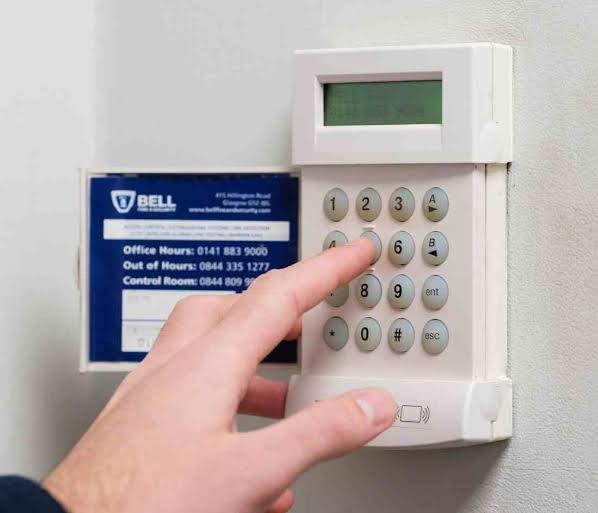
Protecting a property against burglary, theft, vandalism and unauthorised access requires more than installing a few security cameras or fitting a conventional alarm system. Homes, offices, warehouses, factories, shopping complexes and other commercial facilities need security solutions that can detect suspicious activity, provide visual evidence and support timely responses to potential threats.
This is why integrated burglar alarm and CCTV systems are becoming an important consideration for modern property security.
A burglar alarm system detects potential intrusion through sensors installed around doors, windows, internal spaces and other vulnerable areas. CCTV cameras provide visual monitoring and recorded footage that can help security personnel investigate suspicious activity. When these technologies are properly integrated, they can work together to improve intrusion detection, event verification and security management.
For property owners and businesses in Uganda, combining CCTV surveillance with burglar alarm technology provides a more coordinated approach to protecting buildings, employees, equipment, stock and other valuable assets.
Whether you are securing a residential home in Kampala, a commercial office in Wakiso, a warehouse in an industrial area or a large manufacturing facility, selecting the right integrated security system is essential.
This guide explains how integrated burglar alarm and CCTV systems work, their components, benefits, applications, installation process, integration features and cost considerations in Uganda.
What Are Integrated Burglar Alarm and CCTV Systems?
Integrated burglar alarm and CCTV systems are security arrangements that connect intrusion detection equipment with video surveillance technology to improve the monitoring and protection of a property.
Rather than operating as completely separate installations, compatible alarm and CCTV equipment can exchange information or trigger coordinated responses.
A burglar alarm system identifies potential intrusion events using devices such as motion detectors, magnetic door contacts, glass break detectors and other security sensors.
A CCTV system uses cameras, recording equipment and monitoring software to observe and record activities within selected areas.
When the two systems are integrated, a burglar alarm event can trigger an associated CCTV response, depending on the equipment and configuration.
For example:
- A motion detector identifies movement in a restricted warehouse after working hours.
- The burglar alarm panel registers the detection event.
- The connected CCTV system triggers recording or displays the relevant camera view, where supported.
- Security personnel receive an alert through the configured monitoring arrangement.
- The recorded footage can be reviewed to assess the event.
This combination provides both detection and visual information, helping security teams make better-informed decisions.
How Do Integrated Burglar Alarm and CCTV Systems Work?
An integrated security system combines intrusion detection, video surveillance and alarm management into a coordinated arrangement.
Although the exact operation varies between manufacturers and system designs, the process generally follows several stages.
1. Intrusion Detection
Burglar alarm sensors monitor designated areas of a property.
These may include external doors, windows, corridors, offices, storage rooms, server rooms and restricted sections.
When a sensor detects an activity that meets its configured detection criteria, it sends a signal to the alarm control panel.
2. Alarm Processing
The alarm control panel receives the sensor signal and determines the appropriate response according to the system configuration.
This may involve activating an audible siren, generating an alert or sending an event to a connected security platform.
3. CCTV Event Activation
If the alarm and CCTV systems are integrated, the intrusion event may trigger a corresponding camera action.
Depending on the equipment, this can include:
- Starting event-based video recording.
- Displaying the associated camera on a monitoring screen.
- Creating a video bookmark linked to the alarm event.
- Sending a notification containing a camera view.
- Activating a supported recording or monitoring rule.
Not every CCTV and alarm system supports every integration feature. Compatibility must be checked before installation.
4. Security Alert and Investigation
The system communicates the event to the configured monitoring point or authorised users.
Security personnel can then review the camera footage, identify the affected area and follow the property’s response procedures.
5. Incident Recording and Review
Recorded footage and alarm event logs can help management investigate incidents, identify recurring vulnerabilities and maintain security records.
This combination makes it easier to understand not only that an alarm occurred but also what was happening in the affected area.
Main Components of an Integrated Burglar Alarm and CCTV System
An effective integrated security installation consists of several components that perform different functions.
1. CCTV Security Cameras
CCTV cameras capture video footage from selected areas of the property.
Common camera types include:
Dome cameras: Often installed inside offices, shops, reception areas and corridors.
Bullet cameras: Commonly used for external monitoring, building approaches, parking areas and perimeter boundaries.
PTZ cameras: Pan-tilt-zoom cameras can move and zoom to monitor different areas. Their actual coverage depends on positioning and configuration.
IP cameras: Network cameras that transmit video through compatible network infrastructure.
Night-vision cameras: Use infrared illumination or other low-light technologies to support monitoring in darkness.
Camera selection should consider the required field of view, image resolution, lighting conditions, weather exposure and recording requirements.
2. Burglar Alarm Control Panel
The alarm control panel is the central unit that receives signals from connected intrusion detection devices.
It processes events and controls configured alarm responses.
Depending on the system, it may also communicate with CCTV platforms, monitoring services, mobile applications and other security equipment.
3. Motion Detection Sensors
Motion sensors detect movement within designated areas.
Common options include passive infrared sensors, microwave sensors and dual-technology detectors.
They are frequently installed in offices, warehouses, corridors, storage rooms and other spaces where unexpected movement should be detected.
4. Magnetic Door and Window Contacts
Magnetic contacts monitor whether a protected door or window is opened.
They normally consist of two components: a magnet and a contact switch. When the components move apart, the system identifies the change and generates a signal.
They are useful for monitoring:
- Office entrances.
- Warehouse doors.
- Residential windows.
- Emergency exits.
- Restricted equipment rooms.
- Commercial service entrances.
5. Glass Break Detectors
Glass break detectors are designed to identify sound patterns or other characteristics associated with breaking glass, depending on the detection technology.
They can provide additional protection for premises with large windows, glass doors, display windows and vulnerable glazed sections.
6. Security Sirens and Strobe Indicators
Audible sirens and visual indicators provide warnings when an alarm condition occurs.
They can alert occupants and nearby personnel, although their effectiveness depends on location, audibility, system configuration and the surrounding environment.
7. Digital Video Recorder or Network Video Recorder
A Digital Video Recorder (DVR) is commonly used with compatible analogue CCTV cameras, while a Network Video Recorder (NVR) is commonly used with IP cameras.
These devices record and manage camera footage.
Their storage capacity, supported camera channels, recording resolution and retention period should match the property’s monitoring requirements.
8. Network and Communication Equipment
Integrated systems may require network switches, routers, communication modules, cabling and other supporting equipment.
Reliable connectivity is particularly important where the alarm system must communicate with CCTV equipment or provide remote notifications.
9. Backup Power Supply
Power backup helps maintain operation during electricity interruptions.
Depending on the installation, backup arrangements may include alarm panel batteries, CCTV UPS units and other suitable power protection equipment.
The backup capacity should reflect the expected operating time and the equipment connected to it.
Key Benefits of Integrating Burglar Alarm and CCTV Systems
Combining intrusion detection and video surveillance offers several advantages compared with relying on either technology alone.
1. Improved Intrusion Detection and Visual Verification
A burglar alarm identifies a potential security event, while CCTV footage can help security personnel assess what happened.
This is especially useful when an alarm is triggered in a warehouse, office or restricted storage area.
Instead of responding to an alert without visual information, authorised personnel may be able to review the relevant camera footage before deciding what action to take.
2. Faster Security Investigation
When alarm events are linked to CCTV recordings, security teams can identify relevant footage more easily.
Event-based recording and camera bookmarks, where supported, can reduce the time spent searching through lengthy video recordings.
3. Better Protection of Valuable Assets
Businesses often store valuable stock, machinery, equipment, documents and materials within their premises.
An integrated system can help monitor these assets by combining detection alerts with visual surveillance.
4. Improved After-Hours Monitoring
Many burglary incidents are a concern outside normal business hours, when buildings may be unoccupied.
Integrated systems can monitor selected areas, generate intrusion alerts and provide CCTV footage for investigation.
5. More Informed Security Decisions
Video verification can help authorised personnel distinguish between genuine security incidents and events caused by authorised activity, environmental movement or equipment faults.
This can improve the quality of security investigations.
6. Centralised Security Management
Compatible equipment may allow CCTV cameras, alarm events and other security devices to be viewed through a shared management platform.
This can be useful for large properties with multiple buildings and security zones.
7. Support for Incident Documentation
Alarm event logs and recorded CCTV footage can help management investigate theft, vandalism, unauthorised access and other security incidents.
Access to recordings should be restricted to authorised personnel and managed in accordance with applicable privacy requirements.
8. Scalability for Growing Properties
A well-planned integrated system can be expanded as a property develops.
Additional cameras, alarm sensors, entrances and monitoring zones may be incorporated where the equipment and infrastructure support expansion.
Applications of Integrated Burglar Alarm and CCTV Systems in Uganda
Different properties have different security priorities. The most suitable arrangement depends on building design, operating hours, access points, asset value and potential risks.
1. Residential Homes and Estates
Homeowners can combine burglar alarms and CCTV cameras to monitor entrances, windows, compound boundaries, garages and internal areas.
Typical installations may include:
- CCTV cameras at main entrances.
- Motion sensors in selected internal spaces.
- Magnetic contacts on vulnerable doors and windows.
- Glass break detectors near exposed glazing.
- Alarm sirens and control keypads.
- Remote viewing and notifications where supported.
For large residential estates, the system may also be integrated with gate access control and perimeter detection.
2. Offices and Corporate Buildings
Office buildings contain computers, documents, communication equipment and other valuable assets.
Integrated security can help protect reception areas, server rooms, offices, records storage, corridors and restricted sections.
The system can also support after-hours monitoring and investigations involving unauthorised access.
3. Warehouses and Distribution Centres
Warehouses may store products, spare parts, machinery and other valuable goods.
A suitable system can combine external CCTV cameras, internal motion detectors, door contacts, alarm panels and recording equipment.
Special attention should be given to loading bays, emergency exits, storage areas and delivery entrances.
4. Factories and Manufacturing Facilities
Factories may have large compounds, multiple buildings, equipment areas and restricted production zones.
Integrated security can help monitor:
- Factory entrances and exits.
- Machinery storage rooms.
- Raw material storage areas.
- Production sections.
- Electrical and utility rooms.
- Loading and unloading areas.
- External equipment compounds.
The installation should account for dust, machinery movement, lighting conditions and the normal movement of workers.
5. Shopping Complexes and Retail Stores
Retail premises may be exposed to shoplifting, unauthorised access, stock theft and after-hours burglary.
CCTV cameras can monitor sales floors, entrances, cash handling areas and storage sections, while burglar alarm sensors protect selected restricted areas outside operating hours.
6. Hotels and Hospitality Facilities
Hotels, lodges and other hospitality facilities require security arrangements that protect staff, guests, equipment and property.
CCTV can monitor appropriate common areas, entrances, parking facilities and service zones, while burglar alarms can protect offices, stores and other restricted rooms.
Camera placement must respect guest privacy. Cameras should not be installed in private spaces such as guest bedrooms and bathrooms.
7. Schools and Educational Institutions
Schools and universities may use integrated security to monitor administrative offices, laboratories, equipment stores, entrances and selected external areas.
Access restrictions, camera placement and alarm settings should account for students, staff, visitors and emergency evacuation requirements.
8. Construction Sites
Construction sites may store building materials, tools, fuel and expensive machinery.
CCTV cameras and suitable outdoor alarm sensors can help monitor storage areas, site entrances, temporary offices and restricted sections.
The system should be designed to accommodate changing site layouts and temporary infrastructure.
Wired vs Wireless Integrated Burglar Alarm and CCTV Systems
One of the important decisions when planning an integrated security installation is whether to use wired, wireless or hybrid equipment.
Each approach has different advantages and limitations.
| Feature | Wired systems | Wireless systems |
|---|---|---|
| Communication | Physical cables | Radio or supported wireless links |
| Installation | Requires cable routing | Can reduce cabling requirements |
| Power | Usually requires local power or wired power arrangements | Devices may use batteries or local power |
| Interference | Less affected by radio interference | May be affected by signal interference |
| Expansion | May require additional cabling | Can be easier where compatible |
| Maintenance | Cable and connection inspections | Battery and signal inspections |
| Suitability | New builds and larger planned installations | Selected existing buildings and retrofit projects |
Wired Integrated Security Systems
Wired installations connect cameras and alarm devices through physical cables.
They can be suitable for new buildings, factories, large offices and properties where infrastructure can be planned during construction or renovation.
Advantages include stable physical connections and reduced dependence on wireless signal quality.
However, extensive cabling can increase installation complexity, particularly in existing buildings.
Wireless Integrated Security Systems
Wireless systems communicate through supported radio or network technologies.
They can be useful where cable installation is difficult or where the property requires a less disruptive installation.
However, wireless performance depends on signal coverage, interference, battery condition and equipment compatibility.
CCTV cameras may still require separate power supplies or other infrastructure even when video communication is wireless.
Hybrid Integrated Security Systems
Hybrid systems combine wired and wireless devices.
For example, a commercial building may use wired CCTV cameras and selected wireless alarm sensors.
This approach can offer flexibility where different areas of a property have different installation requirements.
The most suitable option should be determined through a site assessment.
How to Plan an Effective Integrated Security System
A successful integration project begins with understanding the property rather than purchasing equipment immediately.
1. Conduct a Security Risk Assessment
Identify vulnerable locations, valuable assets, access points and the types of incidents the system should help detect.
Consider the property’s operating hours, number of occupants and existing security arrangements.
2. Map CCTV Camera Coverage
Identify areas requiring visual monitoring.
Consider entrances, corridors, parking areas, loading bays, storage rooms and other relevant locations.
Camera positioning should provide useful coverage while avoiding unnecessary monitoring of private areas.
3. Determine Alarm Sensor Locations
Identify doors, windows, internal spaces and restricted areas that require intrusion detection.
Motion sensors, magnetic contacts and glass break detectors should be selected according to the characteristics of each area.
4. Plan the Integration Method
Confirm how the alarm and CCTV systems will communicate.
Integration may use supported alarm inputs and outputs, software platforms, network protocols or other manufacturer-specific methods.
Do not assume that two systems can integrate simply because they use the same network.
5. Plan Recording and Storage Requirements
Determine the required camera resolution, recording schedule, number of cameras and video retention period.
The recording system should have sufficient storage capacity for the intended requirements.
6. Plan Power and Network Infrastructure
Consider electrical supplies, UPS systems, alarm batteries, network switches, cabling and communication connections.
Power and network failures should be considered during the design stage.
7. Establish Security Access Permissions
Only authorised personnel should be able to view CCTV footage, change alarm settings or access system administration functions.
Different staff members may require different access permissions.
8. Test the Complete Installation
Before commissioning, test every alarm sensor, CCTV camera, recording channel and configured integration.
Confirm that the system responds correctly to expected events and that users understand how to operate it.
Integrated Burglar Alarm and CCTV System Installation Process
Professional installation involves several stages to ensure that all components function together correctly.
Step 1: Property Inspection
The installation begins with an assessment of the building, security risks, existing infrastructure and areas requiring protection.
Step 2: Security System Design
A suitable system layout is developed, identifying camera positions, sensor locations, alarm zones, recording equipment and integration requirements.
Step 3: Equipment Selection
CCTV cameras, alarm panels, detectors, recording equipment and supporting infrastructure are selected according to the project requirements.
Step 4: Cabling and Infrastructure Installation
The necessary cables, conduits, network connections, mounting brackets and power arrangements are installed.
Step 5: CCTV Camera Installation
Cameras are mounted and configured to provide the required coverage and image quality.
Step 6: Burglar Alarm Sensor Installation
Motion detectors, magnetic contacts, glass break detectors and other selected alarm devices are installed in their designated locations.
Step 7: Alarm and CCTV Integration
Compatible systems are connected and configured to support the intended event responses.
Step 8: Configuration and Testing
The installer configures alarm zones, recording settings, notifications, user permissions and other supported functions.
Every component should be tested to confirm correct operation.
Step 9: User Training and Handover
Property managers and authorised security personnel should receive guidance on arming and disarming the alarm, viewing CCTV footage, responding to alerts and reporting faults.
Important Features to Consider When Choosing an Integrated Security System
Not every CCTV and burglar alarm installation provides the same capabilities.
Before purchasing equipment, consider the following features.
Event-Based Video Recording
Some systems can link video recordings to alarm events, making it easier to locate footage associated with an incident.
Mobile Notifications
Compatible systems may send alerts to authorised users through mobile applications, SMS or other communication methods.
Remote notifications depend on equipment capabilities, configuration and available connectivity.
Remote CCTV Viewing
Network-enabled CCTV systems may allow authorised users to view cameras remotely.
Remote access should be protected with strong passwords, updated firmware and appropriate account permissions.
Night-Time Monitoring
Consider cameras with suitable low-light performance or infrared illumination for areas that require monitoring after dark.
Multiple Security Zones
Alarm zones allow different areas of a building to be monitored independently.
For example, a warehouse can have separate zones for its loading bay, storage rooms, offices and external entrances.
Backup Power
Backup batteries and UPS equipment help maintain selected system functions during electricity interruptions.
Expandability
Choose equipment that can support additional cameras, sensors and recording channels if the property expands.
User Access Management
A suitable system should allow administrators to manage authorised users and restrict access to sensitive functions.
How Much Does an Integrated Burglar Alarm and CCTV System Cost in Uganda?
The cost of installing an integrated burglar alarm and CCTV system depends on the size of the property, the number of devices, equipment specifications and the complexity of the integration.
A small residential property may require a relatively simple combination of cameras and alarm sensors, while a large industrial facility may need multiple cameras, several alarm zones, network infrastructure, backup power and centralised monitoring.
The main factors influencing installation costs include:
1. Number of CCTV cameras: More cameras require additional equipment, mounting materials, cabling, recording channels and installation work.
2. Type and quality of cameras: IP cameras, low-light cameras, PTZ cameras and other specialised equipment have different specifications and costs.
3. Number of alarm sensors: Motion detectors, door contacts, glass break detectors and outdoor sensors affect the total equipment requirement.
4. Alarm control panel specifications: The number of supported zones, communication features and integration capabilities influence equipment selection.
5. Recording and storage capacity: Larger installations may require higher-capacity NVRs, additional hard drives or suitable storage arrangements.
6. Building size and layout: Large buildings and multi-storey properties may require longer cable routes, additional network infrastructure and more installation work.
7. Integration requirements: Linking alarm equipment to CCTV software, monitoring platforms and mobile notifications may require compatible devices and configuration.
8. Power backup requirements: UPS systems, batteries and supporting electrical infrastructure can add to the project cost.
9. Installation complexity: Existing buildings, concealed cabling requirements, difficult mounting locations and renovation work can influence labour costs.
10. Maintenance and technical support: Ongoing inspections, testing, software updates and repairs should be considered when planning the total investment.
For an accurate quotation, property owners should arrange a site assessment to establish the appropriate equipment, installation scope and integration requirements.
Common Problems with Integrated Burglar Alarm and CCTV Systems
Even well-designed systems require correct configuration and maintenance. Some common problems include the following.
1. False Burglar Alarm Activations
False alarms may result from incorrectly positioned motion sensors, environmental movement, poor sensitivity settings or unsuitable equipment.
Solution: Review sensor locations, check the detection environment and adjust settings according to manufacturer recommendations.
2. CCTV Cameras Failing to Record Alarm Events
This may happen when the camera and alarm systems are incompatible or when event recording has not been configured correctly.
Solution: Confirm system compatibility and test every configured alarm-to-camera action.
3. Poor Night-Time Video Quality
Insufficient lighting, incorrect camera positioning, reflections or unsuitable low-light equipment can affect recorded footage.
Solution: Select cameras with suitable low-light capabilities and assess lighting conditions during installation.
4. Network and Communication Failures
Network interruptions, damaged cables or wireless interference may affect remote viewing and system communication.
Solution: Inspect network infrastructure, verify connections and configure suitable backup arrangements where required.
5. Power Interruptions
An electricity interruption can affect cameras, recording equipment, alarm panels and communication devices.
Solution: Provide suitable backup power and test its capacity periodically.
6. Insufficient Recording Storage
A recording device with inadequate storage may not retain footage for the intended period.
Solution: Calculate storage requirements using the number of cameras, resolution, frame rate, recording schedule and retention target.
7. Unauthorised System Access
Weak passwords, shared accounts and outdated equipment can expose security systems to unauthorised access.
Solution: Use strong unique passwords, restrict user permissions, update firmware and secure remote connections.
Maintenance Tips for Integrated CCTV and Burglar Alarm Systems
Routine maintenance is important for maintaining reliable operation and identifying faults early.
Property owners and facility managers should:
- Inspect CCTV cameras for damage and obstruction.
- Clean camera lenses and protective covers.
- Confirm that cameras are recording correctly.
- Review video quality during daylight and at night.
- Test motion detectors and door contacts.
- Check alarm batteries and backup power supplies.
- Test sirens and configured notifications.
- Inspect cables, connectors and network equipment.
- Review recording storage and retention settings.
- Confirm that CCTV and alarm integration is functioning.
- Update supported equipment firmware.
- Review authorised user accounts and access permissions.
- Maintain records of inspections, repairs and system changes.
Maintenance frequency should follow manufacturer guidance and reflect the operating environment.
Privacy and Responsible Use of Integrated Security Systems in Uganda
CCTV and alarm systems collect information about activity within and around a property. Responsible installation and management are therefore important.
Businesses should consider Uganda’s Data Protection and Privacy Act, 2019 and applicable regulations when handling identifiable video footage, access records and other personal information.
Good practices include:
- Positioning cameras for legitimate security purposes.
- Avoiding unnecessary surveillance of private spaces.
- Restricting access to authorised personnel.
- Using secure passwords and account permissions.
- Establishing appropriate video retention periods.
- Protecting recorded footage from unauthorised access.
- Providing appropriate notice where CCTV monitoring is used.
- Establishing procedures for handling requests concerning recorded information.
An effective security system should protect property without unnecessarily compromising the privacy of employees, customers, visitors and other individuals.
How to Choose the Right Burglar Alarm and CCTV Installation Company in Uganda
The quality of an integrated security installation depends on more than the equipment purchased. System design, installation, configuration and after-installation support all influence performance.
Before selecting an installation company, consider these factors:
- Experience with security technologies: The provider should understand both CCTV surveillance and intruder alarm systems.
- Site assessment: The proposed installation should be based on the property’s layout and actual security requirements.
- Equipment compatibility: Confirm that the selected CCTV cameras, alarm panel and software can support the intended integration.
- Installation planning: The quotation should clearly identify cameras, sensors, cabling, recording equipment and supporting infrastructure.
- System testing: Every device and configured integration should be tested before handover.
- Power and network planning: The provider should consider backup power, communication reliability and cable protection.
- User training: Staff should understand how to operate the equipment and respond to alerts.
- Maintenance arrangements: Confirm how faults, servicing and equipment replacements will be handled.
- Privacy and security: The system should include appropriate access controls and responsible video management practices.
Avoid choosing an installation based on the lowest equipment price alone. A system that does not provide adequate coverage or reliable integration may fail to address the property’s actual security needs.
Why Consider Daltrevco for Integrated Security Solutions in Uganda?
Businesses and property owners need security arrangements that reflect the size, layout and operational requirements of their premises.
Daltrevco provides a point of contact for organisations and property owners exploring security and building technology solutions in Uganda.
When considering an integrated burglar alarm and CCTV installation, it is important to evaluate the relationship between intrusion detection, camera coverage, recording, alarm notifications, power backup and ongoing maintenance.
Whether you are protecting a home, office, warehouse, factory, commercial building or institutional property, contact Daltrevco to discuss your security requirements and explore suitable solutions.
A properly planned installation can help improve intrusion detection, provide useful visual information during security incidents and support a more coordinated approach to protecting valuable property.
Frequently Asked Questions About Integrated Burglar Alarm and CCTV Systems
1. What is an integrated burglar alarm and CCTV system?
It is a security arrangement that connects intrusion detection equipment with CCTV surveillance. The alarm system identifies potential intrusion events, while the cameras provide visual monitoring and recorded footage. Compatible systems can trigger coordinated responses when an alarm event occurs.
2. Why should I combine CCTV cameras with a burglar alarm system?
Combining the technologies provides both intrusion detection and visual information. CCTV footage can help security personnel investigate alarm events and understand what happened in the affected area.
3. Can CCTV cameras automatically record when a burglar alarm is triggered?
Yes, some compatible systems support event-based recording. An alarm event can trigger a camera recording or create an event bookmark, depending on the equipment and configuration.
4. Can I integrate my existing CCTV system with a new burglar alarm?
Possibly. Integration depends on the cameras, recording equipment, alarm panel, communication interfaces and supported software. Compatibility should be checked before purchasing additional equipment.
5. Are integrated burglar alarm and CCTV systems suitable for warehouses?
Yes. They can monitor entrances, loading bays, storage areas, offices, external boundaries and other vulnerable sections of a warehouse.
6. Can I monitor an integrated security system remotely?
Some systems support remote CCTV viewing and alarm notifications through mobile applications or other communication platforms. These features depend on equipment compatibility, connectivity and correct configuration.
7. What happens when the internet goes off?
The behaviour depends on the system design. Local CCTV recording and local alarm functions may continue operating if their equipment has power and does not depend on internet connectivity for those functions. Remote access and cloud-based notifications may be interrupted.
8. Can an integrated system work during a power outage?
It can continue operating for a limited period if suitable backup batteries or UPS equipment are installed and correctly sized. Actual operating time depends on the connected equipment and backup capacity.
9. What types of sensors are used in burglar alarm systems?
Common devices include PIR motion detectors, dual-technology sensors, magnetic door and window contacts, glass break detectors, vibration sensors and selected outdoor perimeter detectors.
10. Which CCTV cameras are best for burglar alarm integration?
The best camera depends on the location and required integration features. IP cameras are commonly used in network-based systems, but the recording platform and alarm equipment must support the intended functions.
11. Are wired or wireless integrated systems better?
Neither is universally better. Wired systems can provide stable physical connections, while wireless equipment can simplify installation in selected locations. Hybrid systems may be suitable where different parts of a property have different requirements.
12. How many CCTV cameras does my property need?
The number depends on property size, layout, entrance locations, security risks and the required camera coverage. A site assessment helps identify suitable camera positions and avoid unnecessary blind spots.
13. How much does an integrated burglar alarm and CCTV system cost in Uganda?
The price depends on the number and specifications of cameras, alarm sensors, recording equipment, control panels, cabling, installation complexity, storage and integration requirements. A property-specific quotation is necessary.
14. Can an integrated system protect a multi-storey building?
Yes. CCTV cameras and alarm sensors can be installed across different floors, entrances, corridors, offices and restricted rooms. The system should be designed with appropriate network infrastructure, alarm zoning and centralised monitoring where required.
15. Do burglar alarm and CCTV systems prevent all burglaries?
No security system can guarantee that burglary will never occur. Integrated systems help detect potential intrusion, provide visual information and support security responses, but they should be combined with suitable physical security measures and operational procedures.
16. How often should an integrated security system be maintained?
Maintenance frequency depends on the equipment and manufacturer’s recommendations. Regular camera inspections, sensor testing, storage checks, backup power testing and integration verification are important.
17. Can integrated CCTV and burglar alarm systems be expanded later?
Yes, if the equipment, recording channels, alarm panel capacity and infrastructure support expansion. Future growth should be considered during the initial system design.
Conclusion: Achieve Better Property Protection Through Integrated Security Technology
Protecting a property requires a coordinated approach to intrusion detection, video surveillance and security management.
Integrated burglar alarm and CCTV systems bring these functions together by combining alarm sensors with cameras and recording equipment. This helps property owners identify potential intrusion events, investigate suspicious activity and improve security monitoring across different areas.
For homes, offices, warehouses, factories, shopping complexes and institutional properties in Uganda, the right combination of CCTV cameras, motion detectors, door contacts, glass break sensors, alarm panels and recording equipment can provide a stronger security arrangement.
The most effective system is one designed around the property’s actual risks, layout, operating requirements and future expansion needs.
Contact Daltrevco to discuss integrated burglar alarm and CCTV systems for your property in Uganda and explore a suitable approach to protecting your buildings, people and valuable assets.

