
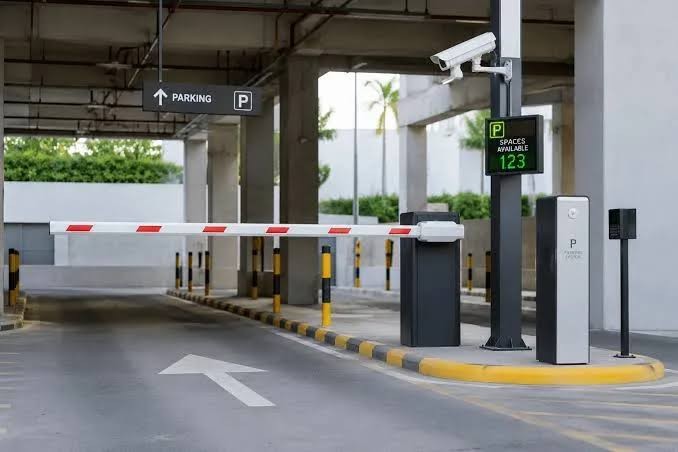
Managing vehicle entry and exit is an important part of protecting commercial properties, residential estates and other secured premises. Businesses need to control vehicles entering their facilities, while residential estate managers must ensure that residents, visitors, delivery personnel and service providers can access the property safely and conveniently.
Without an organised vehicle access control system, properties may experience unauthorised entry, traffic congestion, poor visitor management, security gaps and difficulties tracking vehicle movements.
Vehicle access control systems provide an effective way to manage, monitor and regulate vehicle entry and exit. By combining automatic barriers, electronic gates, RFID readers, vehicle identification technology, CCTV cameras and visitor management solutions, property owners can improve security and make entrance operations more efficient.
In Uganda, these systems are increasingly relevant to commercial buildings, office complexes, shopping centres, apartment developments, gated communities, hotels, warehouses, factories and institutional premises.
Whether you manage a residential estate in Kampala, a commercial property in Wakiso, an industrial facility or a large parking area, choosing the right vehicle access control system can help improve property security and traffic management.
This guide explains what vehicle access control systems are, how they work, the technologies available, their benefits, installation requirements, costs and how to choose the right solution for your property.
What Are Vehicle Access Control Systems?
Vehicle access control systems are electronic security solutions designed to regulate which vehicles are permitted to enter or leave a property.
They use identification devices, electronic barriers, automatic gates and management software to verify vehicle access requests before allowing entry.
Instead of relying entirely on security guards to open gates manually, a vehicle access control system can automate parts of the entry process while providing security personnel with better tools to manage traffic.
Depending on the property’s requirements, a vehicle access control system may include:
- Automatic boom barriers.
- Motorised sliding and swing gates.
- RFID vehicle access readers.
- Vehicle access cards and tags.
- Automatic number plate recognition cameras.
- CCTV surveillance cameras.
- Video intercom systems.
- Visitor registration and management systems.
- Parking management equipment.
- Vehicle detection loops and safety sensors.
- Access control panels and management software.
- Backup power systems.
These components can operate independently or be integrated into a centralised security platform.
For example, a residential estate may issue RFID vehicle tags to registered residents. When an authorised vehicle approaches the entrance, the reader identifies the tag and activates the automatic gate or barrier.
A visitor without an authorised credential may be directed to security personnel for registration and approval.
How Do Vehicle Access Control Systems Work?
A vehicle access control system follows a process of vehicle identification, access verification and controlled gate operation.
The exact process depends on the technology installed, but a typical system works as follows.
1. A Vehicle Approaches the Entrance
A vehicle approaches the property’s main entrance or designated access lane.
The system may use a vehicle detection loop, infrared sensor, radar sensor or camera to detect the approaching vehicle.
2. The Vehicle or Driver Presents an Access Credential
The vehicle or driver provides the required identification.
This may involve:
- An RFID vehicle tag.
- An access card.
- A remote control.
- A PIN code.
- Automatic number plate recognition.
- A mobile access credential.
- Visitor approval through an intercom.
3. The System Verifies Access Permissions
The access control software or controller checks whether the credential is authorised.
For example, it may confirm whether the vehicle belongs to a registered resident, an approved employee, a tenant or an authorised visitor.
Some systems also support access schedules and restrictions based on user permissions.
4. The Barrier or Gate Opens
If the access request is approved, the system sends a command to the automatic gate or barrier.
The vehicle can then enter or exit the property.
5. The Access Event Is Recorded
Depending on the system, the event may be recorded with information such as:
- Date and time.
- Access point.
- Credential used.
- Vehicle registration number, where supported.
- Entry or exit status.
- Access approval or denial.
6. The Gate or Barrier Closes Safely
After the vehicle passes, the gate or barrier closes according to its configured operating sequence.
Safety sensors help prevent the barrier or gate from closing onto vehicles, people or other obstructions.
This process helps property managers regulate vehicle movement and maintain better control of their entrances.
Types of Vehicle Access Control Systems
Different properties require different access control technologies. A small residential compound may need a simple automatic gate and remote control system, while a large commercial complex may require RFID readers, number plate recognition and centralised visitor management.
The following are common vehicle access control solutions.
1. Automatic Boom Barrier Systems
<AsyncImage query=”automatic boom barrier gate controlling vehicle entrance at modern commercial office parking facility” aspectRatio=”16:9″ width=”100%”/>
Automatic boom barriers use a motorised arm to control vehicle movement through an entrance.
When an authorised vehicle is identified, the barrier arm rises to allow passage and returns to its closed position after the vehicle passes.
Boom barriers are commonly used at:
- Commercial parking facilities.
- Shopping centres.
- Office buildings.
- Hotels.
- Apartment complexes.
- Residential estates.
- Industrial compounds.
- Institutional premises.
Benefits of boom barrier systems include:
- Controlled vehicle entry and exit.
- Convenient operation.
- Suitable for high-frequency vehicle access when correctly specified.
- Integration with RFID readers and access cards.
- Compatibility with parking management systems.
- Support for automated vehicle identification.
Boom barriers are particularly useful for regulating vehicle movement, but they are not a substitute for a secure perimeter gate where stronger physical protection is required.
2. Automatic Sliding and Swing Gate Systems
<AsyncImage query=”large automatic sliding steel security gate at gated commercial property entrance” aspectRatio=”16:9″ width=”100%”/>
Automatic gates provide a physical barrier that can be opened electronically when access is authorised.
The two common designs are:
Automatic sliding gates: These move horizontally along a track or suitable trackless guiding arrangement. They are useful where there is adequate side clearance but limited space for the gate to swing.
Automatic swing gates: These open by rotating on hinges. They are suitable where the entrance has enough clearance for the gate to move inward or outward.
Automatic gates can be combined with remote controls, RFID readers, intercoms, PIN keypads and other access technologies.
They are commonly used for residential estates, private compounds, factories, warehouses and commercial developments.
3. RFID Vehicle Access Control Systems
<AsyncImage query=”RFID vehicle access control reader at gated residential estate entrance with car approaching” aspectRatio=”16:9″ width=”100%”/>
RFID vehicle access control uses radio-frequency identification technology to recognise authorised electronic credentials.
A vehicle may carry an RFID tag attached to the windscreen or another suitable location. When it approaches the reader, the system detects the credential and checks whether it has permission to enter.
If the tag is authorised, the system activates the barrier or gate.
Benefits of RFID vehicle access control include:
- Convenient access for registered vehicles.
- Reduced need for drivers to leave their vehicles.
- Faster entry for authorised users.
- Easy management of registered vehicle credentials.
- Ability to deactivate lost or unauthorised credentials.
- Integration with parking and estate management platforms.
RFID systems are especially useful for residential estates and commercial properties with regular vehicle users.
The reading range and reliability depend on the tag, reader, installation position, vehicle configuration and surrounding environment. Secure credential technology should be selected according to the property’s security requirements.
4. Automatic Number Plate Recognition Systems
<AsyncImage query=”ANPR automatic number plate recognition camera monitoring vehicle entering commercial security gate” aspectRatio=”16:9″ width=”100%”/>
Automatic Number Plate Recognition (ANPR), also known as Automatic License Plate Recognition (ALPR), uses specialised cameras and image-processing software to read vehicle registration plates.
When a vehicle approaches an entrance, the camera captures an image of its number plate. The software processes the image and compares the recognised registration number against an authorised vehicle database.
If the vehicle is approved, the system can activate the gate or barrier.
Benefits of ANPR systems include:
- Automated identification of registered vehicles.
- Reduced dependence on physical access cards.
- Support for vehicle entry and exit records.
- Convenient access for authorised residents and employees.
- Integration with CCTV and parking management systems.
- Support for investigations involving recorded vehicle movements.
ANPR performance depends on camera quality, lighting, plate condition, camera positioning, vehicle speed and software configuration.
The system should also include a manual verification procedure for unreadable, damaged or incorrectly recognised number plates.
5. Card-Based Vehicle Access Control Systems
<AsyncImage query=”RFID proximity card access reader at parking barrier gate entrance vehicle access control” aspectRatio=”16:9″ width=”100%”/>
Card-based vehicle access control requires drivers to present an authorised card to a reader before a gate or barrier opens.
It is commonly used in commercial parking areas, office compounds, residential estates and institutional premises.
Administrators can assign access cards to registered users and configure permissions based on their roles.
For example, a commercial property may issue cards to employees while providing separate credentials for tenants and authorised contractors.
Lost or stolen cards can be deactivated, depending on the system’s configuration.
6. Remote Control Vehicle Access Systems
<AsyncImage query=”driver holding electric gate remote control inside car approaching automatic security gate” aspectRatio=”16:9″ width=”100%”/>
Remote control systems allow authorised drivers to operate automatic gates or barriers using wireless transmitters.
They are particularly suitable for private homes, residential compounds and selected commercial entrances.
Advantages include:
- Convenient vehicle access.
- Simple operation.
- Reduced need to exit the vehicle.
- Individual remote controls for authorised users.
- Compatibility with many automatic gate systems.
For better security, select systems with appropriate credential protection, and ensure that lost remotes can be removed from the system where supported.
7. Visitor Vehicle Access Control Systems
<AsyncImage query=”security guard registering visitor vehicle at gated residential estate entrance security checkpoint” aspectRatio=”16:9″ width=”100%”/>
Visitor vehicle access control systems help property managers regulate access for people who do not have permanent vehicle credentials.
They may include:
- Visitor registration.
- Driver identification.
- Vehicle registration details.
- Host or resident approval.
- Temporary access credentials.
- Visitor passes.
- Entry and exit records.
For example, a residential estate can require visitors to identify the resident they are visiting before security personnel approve entry.
Commercial buildings can use visitor management to control access for suppliers, contractors, delivery vehicles and customers.
A well-planned visitor process reduces confusion at the entrance and improves accountability.
8. Integrated CCTV and Vehicle Access Control Systems
<AsyncImage query=”CCTV surveillance cameras monitoring automated vehicle barrier entrance security checkpoint” aspectRatio=”16:9″ width=”100%”/>
Integrating CCTV with vehicle access control provides additional visibility at entrances and exit points.
Security personnel can monitor vehicle movements and review relevant recordings when investigating incidents.
Depending on the equipment, integration may support:
- Video monitoring of entry lanes.
- Recording of vehicle movements.
- Reviewing access events.
- Monitoring denied access attempts.
- Investigating suspicious activity.
- Connecting camera footage with access records.
The system should be designed with compatible cameras, recorders, access control software and appropriate storage capacity.
Benefits of Vehicle Access Control Systems for Commercial Properties
Commercial properties often experience frequent vehicle movements involving employees, customers, suppliers, contractors and delivery personnel.
An effective vehicle access control system helps manage these movements while improving the property’s overall security.
1. Improved Security at Property Entrances
Vehicle access control helps prevent unauthorised vehicles from entering restricted premises.
Instead of allowing every approaching vehicle through, the system can verify credentials or require approval from security personnel.
This is important for office complexes, shopping centres, factories, warehouses and other properties where unauthorised access could create security risks.
2. Better Management of Employee and Visitor Vehicles
Businesses can register employee vehicles and establish procedures for visitors and contractors.
This helps distinguish between authorised and unauthorised vehicles.
For example, an office building can provide permanent credentials to employees and temporary access approval to visitors attending scheduled meetings.
3. Improved Parking Management
Vehicle access control can be integrated with parking management systems to regulate entry into designated parking areas.
This may help businesses:
- Control access to employee parking.
- Allocate parking spaces.
- Manage tenant parking.
- Monitor parking occupancy.
- Restrict unauthorised parking.
- Manage paid parking where applicable.
The available features depend on the software and equipment selected.
4. Reduced Manual Gate Operations
Automatic barriers and gates reduce the need for security personnel to physically open and close entrances for every vehicle.
This can help improve workflow, particularly at busy commercial entrances.
Security staff can focus more on visitor verification, surveillance and other security responsibilities.
5. Better Vehicle Movement Records
Depending on the system, vehicle access events can be recorded for administrative and security purposes.
These records may help property managers investigate incidents, review access patterns and understand how vehicles use the premises.
6. Integration with Other Security Systems
Vehicle access control can be integrated with CCTV, alarms, intercoms and building security platforms.
This provides a more coordinated approach to managing entrances and monitoring activity.
7. More Efficient Delivery and Contractor Management
Businesses receive deliveries, maintenance personnel and service providers regularly.
A vehicle access control system can help establish a clear process for registering, approving and recording these visits.
This is particularly useful for warehouses, factories, distribution facilities and large commercial buildings.
Benefits of Vehicle Access Control Systems for Residential Estates
Residential estates and gated communities have different access management requirements from commercial properties.
They must provide convenient access for residents while managing visitors, deliveries, service providers and other temporary users.
1. Convenient Access for Registered Residents
Residents can be issued RFID tags, access cards or remote controls to operate the main entrance.
This reduces the need for residents to wait for security personnel to open the gate manually.
2. Better Visitor Verification
Visitors can be directed to security personnel for registration and approval before entry.
An intercom or visitor management platform can help security staff confirm whether a visitor is expected.
3. Reduced Unauthorised Vehicle Entry
A controlled entrance makes it easier to distinguish between registered vehicles and those requesting temporary access.
Residents’ credentials can be managed centrally, and lost or compromised credentials can be deactivated.
4. Improved Estate Security Monitoring
Integrated CCTV cameras can monitor vehicles entering and leaving the estate.
Access records can also help estate managers review entrance activity when investigating reported incidents.
5. Better Delivery and Service Vehicle Management
Delivery vehicles, utility workers, maintenance teams and contractors can be registered and granted temporary access according to estate procedures.
This helps reduce confusion and supports more organised entrance operations.
6. Improved Traffic Flow
Automatic barriers and suitable access lanes can help organise vehicle entry and exit.
For larger estates, separate entry and exit lanes may improve traffic movement where space and site design permit.
7. Centralised Resident and Vehicle Management
A suitable access management platform can help estate administrators manage registered residents, vehicle details, credentials and access permissions.
This becomes particularly useful when residents move out, change vehicles or lose their access credentials.
Vehicle Access Control Systems for Different Types of Properties
The most suitable system depends on the size, layout and daily operations of the property.
| Property type | Suitable technologies | Main purpose |
|---|---|---|
| Residential estates | RFID, automatic gates, ANPR, visitor management | Manage residents and visitor vehicles |
| Apartment complexes | RFID cards, remote controls, intercoms | Control resident and visitor access |
| Office complexes | RFID, ANPR, boom barriers, CCTV | Manage employee and visitor vehicles |
| Shopping centres | Boom barriers, parking management, CCTV | Regulate parking and vehicle flow |
| Hotels and resorts | Barriers, intercoms, visitor management | Manage guest and service vehicle entry |
| Warehouses | RFID, ANPR, CCTV, automatic gates | Control delivery and operational vehicles |
| Factories | RFID, barriers, ANPR, access software | Restrict vehicle access to industrial premises |
| Schools and universities | Barriers, visitor registration, CCTV | Manage staff, visitor and service vehicles |
| Hospitals | Barriers, intercoms, parking systems | Manage patient, staff and visitor vehicle movement |
| Office parks | RFID, ANPR, parking management | Manage multiple tenants and parking users |
These are general recommendations. A site assessment should determine the most suitable combination of equipment and operating procedures.
Key Components of a Vehicle Access Control System
A complete vehicle access control installation involves several components that work together.
Understanding these components helps property owners make informed decisions before purchasing equipment.
1. Automatic Barrier or Gate
The barrier or gate physically controls vehicle movement.
The selected equipment should be appropriate for the entrance width, expected traffic volume and operating conditions.
2. Access Control Reader
The reader receives and processes access credentials.
Depending on the system, this may be an RFID reader, card reader, keypad, biometric reader or another identification device.
3. ANPR Camera
An ANPR camera captures vehicle registration plates and sends the image data to recognition software.
It should be installed in a position that supports reliable plate capture under the expected lighting and traffic conditions.
4. Access Control Panel
The controller processes access requests and communicates with the barrier or gate operator.
It may also manage connected readers, permissions and other devices.
5. CCTV Cameras
CCTV cameras monitor vehicle entry and exit areas and can provide recorded footage for security reviews.
6. Vehicle Detection Sensors
Sensors detect vehicles approaching, passing through or occupying a gate or barrier operating area.
They help coordinate gate operation and improve safety.
7. Intercom System
An intercom allows drivers to communicate with security personnel or authorised property occupants when requesting access.
Video intercoms also provide a visual view of the visitor.
8. Management Software
Access control software allows administrators to register users, assign credentials, manage vehicle permissions and review available access records.
More advanced platforms may support multiple entrances and centralised management.
9. Power Supply and Backup
The system requires an appropriate electrical supply. Backup arrangements may be necessary to support operation during power interruptions.
The backup capacity should be selected according to the equipment and expected operating requirements.
Vehicle Access Control Installation in Uganda: Step-by-Step Process
A reliable vehicle access control system requires proper planning, equipment selection, installation and testing.
The process should consider both security and the safe movement of vehicles and pedestrians.
Step 1: Conduct a Site Assessment
The first stage is to assess the property’s entrance and identify its vehicle access requirements.
Important considerations include:
- Number of entrances and exits.
- Available entrance width.
- Expected vehicle traffic.
- Number of registered users.
- Visitor access procedures.
- Existing gates and barriers.
- Available electrical supply.
- CCTV coverage.
- Traffic direction and turning space.
- Pedestrian movement.
- Security risks and restricted areas.
This information helps determine the appropriate system design.
Step 2: Identify the Access Control Requirements
The property owner or manager should determine how different categories of vehicles will be authorised.
For example, a residential estate may require separate access arrangements for residents, visitors, delivery vehicles and contractors.
A commercial property may need different permissions for employees, tenants, suppliers and customers.
Step 3: Select the Appropriate Equipment
Based on the site assessment, suitable equipment is selected.
This may include:
- Boom barriers.
- Automatic sliding or swing gates.
- RFID readers.
- ANPR cameras.
- CCTV cameras.
- Intercom systems.
- Access control panels.
- Vehicle detection sensors.
- Management software.
- Backup power equipment.
Equipment should be compatible and suitable for the property’s operating conditions.
Step 4: Prepare the Entrance and Installation Area
The entrance must be prepared to accommodate the selected equipment.
Depending on the project, this may involve:
- Preparing barrier foundations.
- Installing gate tracks.
- Providing suitable mounting structures.
- Creating protected cable routes.
- Preparing equipment enclosures.
- Improving drainage.
- Marking vehicle and pedestrian lanes.
Civil works should be completed before final equipment installation where required.
Step 5: Install Barriers, Gates and Access Devices
The selected automatic barriers or gates are installed in their designated positions.
Access readers, cameras, intercoms and other devices are mounted at appropriate locations.
Their positioning should allow convenient operation while protecting equipment from accidental damage and unauthorised interference.
Step 6: Install Electrical and Network Connections
Power, control wiring and communication connections are installed according to the equipment requirements.
Electrical connections should be completed by appropriately qualified personnel, with suitable protective devices and weather protection.
Where network connectivity is required, the system should be configured to communicate reliably with the relevant controllers and software.
Step 7: Configure Users and Vehicle Credentials
Administrators register authorised users and configure their access permissions.
This may involve:
- Registering resident vehicles.
- Issuing RFID tags.
- Assigning employee access cards.
- Registering authorised number plates.
- Creating visitor access procedures.
- Setting permitted access times.
- Defining administrator permissions.
Access should be assigned according to each user’s actual requirements.
Step 8: Integrate CCTV and Other Security Systems
Where required, the vehicle access control system is connected to compatible CCTV cameras, intercoms and other security equipment.
The integration should be tested to confirm that the connected devices communicate and perform as intended.
Step 9: Test and Commission the System
Before handover, the installation should undergo functional and safety testing.
Testing should include:
- Authorised vehicle entry.
- Rejection of unauthorised credentials.
- Gate and barrier movement.
- Vehicle detection.
- Obstruction detection.
- CCTV coverage.
- Intercom communication.
- Access event recording.
- Power failure procedures.
- Backup power operation.
- Emergency and manual operating procedures.
The system should only be placed into normal service after the relevant safety and operating checks have been completed.
Step 10: Train Security Personnel and Administrators
Security staff and property administrators should understand how to operate the system.
Training should cover user registration, visitor approval, credential deactivation, emergency procedures, access records and basic troubleshooting.
How Much Do Vehicle Access Control Systems Cost in Uganda?
The cost of installing vehicle access control systems in Uganda varies depending on the size of the property, number of entrances, technology selected and complexity of the installation.
A simple automatic barrier system for a small parking entrance will require different equipment from an integrated vehicle access solution for a large residential estate.
The following factors influence the total cost.
1. Number of Entrances and Exit Points
A property with several vehicle entrances may require multiple barriers, readers, controllers and cameras.
The number of controlled access points is one of the main factors affecting project cost.
2. Type of Access Control Technology
Different technologies have different equipment and software requirements.
For example, RFID access may require tags and readers, while ANPR may require specialised cameras and recognition software.
3. Type of Barrier or Automatic Gate
Boom barriers, sliding gates, swing gates and other automated entrance systems differ in design, size and operating requirements.
4. Number of Vehicles and Users
A large residential estate may require more credentials, user accounts and vehicle registrations than a small commercial compound.
5. CCTV and Surveillance Requirements
Additional cameras, recording equipment, storage capacity and integration requirements can increase the project cost.
6. Installation and Civil Works
Foundation preparation, trenching, wiring, mounting structures, drainage improvements and other site works affect the overall investment.
7. Software and Licensing
Some advanced access control platforms require software licences, subscriptions or additional integration modules.
These costs should be confirmed before selecting the system.
8. Electrical Supply and Backup Power
The installation may require additional power supplies, batteries, protective devices and electrical infrastructure.
9. Traffic Volume and Equipment Capacity
Busy entrances may require equipment designed for more frequent operation and higher traffic volumes.
10. Maintenance and Technical Support
Property managers should also consider the long-term costs of inspections, servicing, software updates and replacement components.
For an accurate vehicle access control installation quotation in Uganda, the property should first undergo a site assessment to establish the number of access points, vehicle traffic, required technology and installation work.
Common Challenges in Vehicle Access Control Systems and How to Address Them
Although vehicle access control improves entrance management, poorly selected or maintained systems can create operational difficulties.
Understanding common challenges helps property owners plan more effectively.
1. Long Queues at the Entrance
Queues can develop when access verification takes too long or the entrance cannot handle the volume of traffic.
How to address it:
- Select equipment suitable for the expected traffic volume.
- Provide adequate entry and exit lanes.
- Position readers and cameras correctly.
- Establish clear visitor procedures.
- Consider separate arrangements for registered and visitor vehicles.
2. RFID Tags Not Being Detected
An RFID reader may fail to detect a vehicle tag because of poor positioning, interference, unsuitable tags or equipment faults.
How to address it:
- Use compatible tags and readers.
- Test the system with different vehicles.
- Position readers according to manufacturer specifications.
- Inspect wiring and power connections.
- Maintain alternative access procedures.
3. ANPR Camera Failing to Read Number Plates
Number plate recognition may be affected by poor lighting, dirty or damaged plates, unsuitable camera angles, glare or vehicle movement.
How to address it:
- Select appropriate ANPR cameras.
- Install cameras at suitable angles and distances.
- Provide suitable lighting where necessary.
- Configure recognition software correctly.
- Maintain a manual verification process.
4. Power Interruptions
Power outages may affect barriers, gate motors, readers and other electronic components.
How to address it:
- Install suitable backup power where required.
- Test backup batteries regularly.
- Establish manual emergency operating procedures.
- Confirm which system functions remain available during an outage.
5. Unauthorised Credential Sharing
Residents or employees may share access cards, remote controls or other credentials.
How to address it:
- Use appropriate secure credentials.
- Assign individual credentials where possible.
- Deactivate lost or compromised credentials.
- Review access records.
- Establish clear property access policies.
6. Poor Visitor Management
Visitors may experience delays when security personnel lack a clear registration and approval process.
How to address it:
- Introduce visitor registration procedures.
- Confirm the host or resident before approving entry.
- Use intercom systems where appropriate.
- Provide temporary access credentials where supported.
- Train security personnel on the process.
7. Faulty Barriers and Gate Motors
Mechanical wear, incorrect equipment sizing, electrical faults and poor maintenance can affect gate performance.
How to address it:
- Select equipment according to traffic requirements.
- Conduct regular inspections.
- Check moving components.
- Test safety sensors.
- Arrange appropriate servicing.
Vehicle Access Control and CCTV Integration
Vehicle access control is more effective when combined with a suitable CCTV surveillance system.
CCTV cameras provide visual monitoring of entrances and exits, while access control devices manage authorisation.
Together, they can support a more complete security management arrangement.
For example, a commercial building in Kampala may use:
- ANPR cameras to identify registered vehicles.
- RFID readers for employee access.
- Boom barriers to control entry.
- CCTV cameras to monitor entrance lanes.
- Intercoms for visitor communication.
- Access software to manage permissions.
This arrangement can help security personnel investigate suspicious vehicle activity and review relevant access events.
Before integrating equipment, confirm compatibility between cameras, recorders, access control software and the selected gate or barrier system.
Vehicle Access Control and Data Protection in Uganda
Vehicle access systems may collect information such as vehicle registration numbers, driver or visitor details, access credentials, photographs and entry or exit records.
This information can identify individuals or reveal their movements, so it should be handled responsibly.
Organisations should consider their obligations under Uganda’s Data Protection and Privacy Act, 2019, and applicable regulations.
Good practices include:
- Informing users about vehicle information collection.
- Establishing an appropriate lawful basis for processing personal data.
- Collecting only information necessary for the stated purpose.
- Restricting access to vehicle and visitor records.
- Protecting stored information against unauthorised access.
- Establishing appropriate retention and deletion periods.
- Using CCTV signage and suitable privacy notices.
- Reviewing access permissions for system administrators.
For ANPR installations, property managers should consider how number plate images and associated records are stored, accessed and retained.
How to Choose the Best Vehicle Access Control System for Your Property
Choosing the right vehicle access control system requires careful consideration of the property’s size, entrance layout, traffic volume and security requirements.
Before investing in equipment, consider the following factors.
1. Assess the Property Type
A residential estate, office complex, shopping centre and industrial facility have different vehicle access requirements.
The system should be designed around how the property operates.
2. Determine Daily Vehicle Traffic
Consider the number of vehicles entering and leaving during peak periods.
High-traffic entrances may need more suitable barriers, additional lanes or faster access verification arrangements.
3. Identify the Main User Groups
Determine who needs access to the property.
These may include residents, employees, tenants, visitors, contractors, delivery personnel and emergency service vehicles.
4. Choose the Right Identification Method
Decide whether RFID, access cards, ANPR, remote controls, mobile access or a combination of technologies is most appropriate.
5. Consider the Entrance Layout
Check the available space for barriers, gates, cameras, readers and vehicle turning areas.
Also consider pedestrian movement and emergency access.
6. Consider Security Requirements
Determine whether the property needs basic vehicle access regulation or more advanced identification and monitoring.
Sensitive facilities may require stronger authentication and additional security procedures.
7. Evaluate Software and Reporting Features
If the property has multiple entrances, a centralised management platform may simplify administration.
Check whether the software supports user management, vehicle registration, access logs and reporting.
8. Plan for Power and Connectivity
Consider power backup, network availability and the system’s ability to continue operating during interruptions.
9. Consider Future Expansion
A suitable system should be able to accommodate additional users, entrances and vehicles where possible.
10. Work with a Professional Installation Provider
The installation provider should assess the site, recommend compatible equipment, explain the system’s safety features and test the completed installation.
Why Choose Daltrevco for Vehicle Access Control Solutions in Uganda?
Vehicle access management is an important part of securing residential estates, commercial buildings and industrial facilities.
The right solution should provide a balance between security, convenient vehicle movement, reliable equipment and manageable operating costs.
Daltrevco provides a point of contact for property owners, businesses, institutions and estate managers exploring modern security and access control solutions in Uganda.
Whether you are considering automatic boom barriers, RFID vehicle access, ANPR cameras, automatic gates, CCTV integration or visitor management, the first step is understanding your property’s entrance and security requirements.
When planning a vehicle access control project, consider:
- The number of vehicle entrances and exits.
- Daily vehicle traffic and peak entry periods.
- The number of residents, employees and authorised users.
- Visitor and contractor access procedures.
- The appropriate barrier or automatic gate system.
- RFID, ANPR, remote control or card-based access.
- CCTV coverage and entrance monitoring.
- Power backup and network requirements.
- Centralised access management.
- Future expansion and maintenance needs.
Looking for vehicle access control systems in Uganda? Contact Daltrevco to discuss your commercial property or residential estate requirements and explore suitable vehicle security solutions.
Frequently Asked Questions About Vehicle Access Control Systems
1. What is a vehicle access control system?
A vehicle access control system is an electronic security solution that regulates which vehicles can enter or leave a property. It may use automatic barriers, gates, RFID tags, number plate recognition, access cards, CCTV and visitor management software.
2. Which vehicle access control system is best for residential estates?
RFID vehicle access, automatic gates, boom barriers and visitor management systems are common options for residential estates. The best solution depends on the number of residents, entrance layout, visitor traffic and security requirements.
3. What is the difference between RFID and ANPR vehicle access control?
RFID systems identify vehicles using electronic tags or credentials detected by a reader. ANPR systems use cameras and software to read vehicle registration plates and compare them with authorised records.
4. Can vehicle access control systems be used in commercial buildings?
Yes. They are suitable for office complexes, shopping centres, hotels, factories, warehouses and other commercial properties that need to regulate vehicle entry and exit.
5. Can an automatic barrier work with an RFID reader?
Yes. Compatible RFID readers can be connected to automatic boom barriers. When an authorised tag is detected, the system can send a command to open the barrier.
6. Can vehicle access control systems manage visitors?
Yes. Visitor management systems can register visitors, record vehicle details, obtain approval from residents or property representatives and provide temporary access credentials where supported.
7. How much does vehicle access control installation cost in Uganda?
The cost depends on the number of entrances, type of barriers, RFID or ANPR technology, CCTV requirements, software, electrical work and installation complexity. A site assessment is necessary to prepare an accurate quotation.
8. Can vehicle access control be integrated with CCTV?
Yes. Compatible systems can integrate with CCTV cameras to monitor vehicle entrances, record activity and help security personnel investigate access events.
9. Can one system manage several entrances?
Yes. Many centralised access control platforms support multiple entrances and access points. The actual capacity depends on the controllers, software and equipment selected.
10. What happens when a resident loses an RFID tag?
The administrator can deactivate the lost credential where the system supports this function and issue a replacement. This helps prevent the lost tag from continuing to authorise entry.
11. Can vehicle access control work during a power outage?
This depends on the equipment and backup arrangements. Suitable battery backup may keep selected functions operating for a limited period. Property managers should also have manual emergency procedures for power interruptions.
12. Are ANPR systems reliable in Uganda?
ANPR systems can provide useful vehicle identification when correctly selected, installed and configured. Performance depends on camera quality, lighting, plate condition, positioning and vehicle movement. A manual verification procedure should be available when automatic recognition fails.
13. Do vehicle access control systems record vehicle entry and exit?
Many systems can record access events, including the time, access point and credential used. ANPR-enabled systems may also record recognised vehicle registration numbers, depending on the configuration.
14. How often should vehicle access control systems be maintained?
Maintenance frequency depends on the equipment, operating conditions and vehicle traffic. Busy commercial entrances may require more frequent inspections than smaller residential properties. Follow manufacturer recommendations and test safety devices regularly.
Conclusion: Improve Property Security with the Right Vehicle Access Control System
Vehicle access control systems provide an effective way to manage vehicle entry and exit at commercial properties and residential estates.
By combining automatic barriers, electronic gates, RFID readers, ANPR cameras, CCTV surveillance and visitor management technologies, property owners can improve entrance security, regulate vehicle movement and simplify access administration.
For residential estates, these systems make it easier to manage residents, visitors and service vehicles. For commercial properties, they support employee access, delivery management, parking control and security monitoring.
The best solution depends on the property’s entrance layout, traffic volume, number of users, security requirements and available infrastructure.
Before investing in a vehicle access control system, arrange a proper site assessment and select equipment that provides reliable operation, appropriate security and safe vehicle movement.
Contact Daltrevco to explore vehicle access control systems in Uganda for your commercial property, office complex, residential estate, warehouse or industrial facility.

