
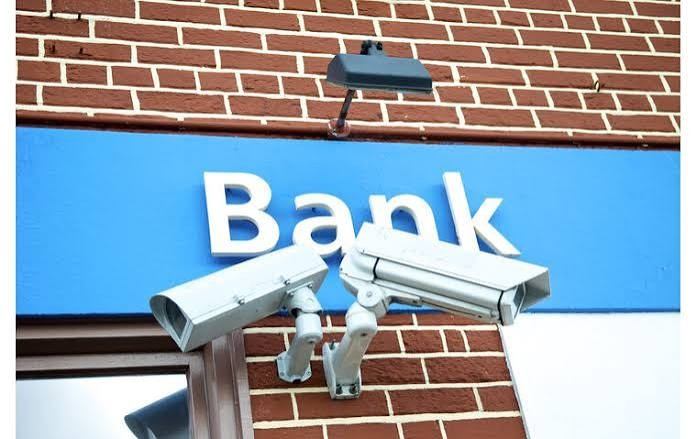
Banks and financial institutions handle valuable assets, confidential information, sensitive transactions and large volumes of customer activity every day. From banking halls and cash-handling areas to ATM locations, server rooms and secure access points, these environments require carefully planned security systems to protect people, property and financial operations.
CCTV surveillance systems for banks and financial institutions play an important role in modern financial security. They help monitor banking activities, deter criminal behaviour, document security incidents, control access to sensitive areas and provide recorded footage for authorised investigations.
In Uganda, commercial banks, microfinance institutions, SACCOs, money transfer businesses, forex bureaus and other financial service providers operate in environments where effective security is essential. Whether protecting a busy bank branch in Kampala, a financial institution in Wakiso or a network of branches across the country, a professionally designed CCTV system can strengthen security management.
Modern financial surveillance systems use high-definition IP cameras, secure video storage, intelligent video analytics, access control integration and centralised monitoring. However, installing cameras in a financial institution requires more than selecting suitable equipment. The system must be designed around the institution’s security risks, operational procedures, customer privacy requirements and applicable data protection obligations.
This guide explains how CCTV surveillance systems work in banks and financial institutions, where cameras should be installed, which technologies are suitable, how CCTV integrates with other banking security systems, the factors affecting installation costs in Uganda and how to choose an appropriate installation company.
1. Why Banks and Financial Institutions Need CCTV Surveillance Systems
Financial institutions face security risks that may affect customers, employees, cash, equipment, confidential information and business operations.
A well-planned CCTV surveillance system helps financial organisations improve visibility across important areas and support more effective security management.
Protecting Cash and Financial Assets
Banks and financial institutions handle cash, financial documents, payment cards, valuable equipment and other sensitive assets.
CCTV cameras can monitor designated cash-handling areas, secure rooms, teller counters, cash transfer points and other authorised locations.
Recorded footage may help security teams investigate suspicious activity, theft or discrepancies involving financial assets.
Monitoring Banking Hall Activities
Banking halls experience regular customer movement and financial transactions.
CCTV cameras can help monitor entrances, waiting areas, service counters and other shared spaces.
Appropriate camera placement can support incident investigations while avoiding unnecessary capture of sensitive customer information, such as PIN entry, passwords or confidential documents.
Improving ATM Security
Automated Teller Machines (ATMs) are important security locations because they handle cash and are accessible to customers outside normal banking hours.
CCTV surveillance can help monitor ATM areas, entrances, nearby activity and selected surrounding locations.
Dedicated ATM surveillance may also include specialised cameras positioned to observe relevant activity without capturing PINs or other sensitive authentication information.
Preventing Unauthorised Access
Banks contain restricted areas that should only be accessed by authorised personnel.
These may include server rooms, cash storage areas, records rooms, control rooms and other secure locations.
CCTV can provide visual monitoring around access points and help investigate unauthorised entry.
Supporting Employee and Customer Safety
Financial institutions receive customers, employees, contractors, visitors and service providers throughout the day.
CCTV surveillance can help security teams monitor shared areas, identify suspicious activity and investigate incidents involving threats, harassment, theft or property damage.
Supporting Security Investigations
When an incident occurs, recorded footage can help authorised investigators establish what happened, identify relevant movements and review the circumstances.
For footage to be useful, the system should provide suitable image quality, accurate timestamps, secure storage and controlled access.
Monitoring Multiple Branches
Banks with several branches may require a centralised surveillance system.
A properly configured video management platform can allow authorised security personnel to monitor selected locations across different branches from a central control room.
2. Important Areas to Install CCTV Cameras in Banks
Camera placement is one of the most important parts of designing a CCTV system for a bank.
Different banking areas have different security requirements. The system should provide useful surveillance coverage without compromising customer confidentiality or exposing sensitive authentication information.
Main Bank Entrances and Exits
<AsyncImage query=”modern commercial bank branch entrance security CCTV camera ceiling” aspectRatio=”16:9″ width=”100%”/>
Main entrances and exits are among the most important CCTV locations in financial institutions.
Cameras can monitor people entering and leaving the premises, observe activity around reception areas and provide footage for reviewing security incidents.
Where identification is required, camera placement and image quality should be designed to capture useful facial detail under the actual lighting conditions.
Banking Halls and Customer Waiting Areas
Banking halls often experience high customer traffic.
CCTV cameras can provide general surveillance of shared spaces, including waiting areas, reception desks and customer service zones.
Camera angles should be planned carefully to avoid capturing PIN pads, passwords, confidential documents and unnecessary close-up footage of financial transactions.
Teller Counters
Teller areas handle cash deposits, withdrawals and other financial services.
Cameras may be installed to monitor relevant security activity around teller counters, subject to the institution’s security procedures and privacy requirements.
The design should avoid exposing customer PINs, account information, transaction screens or other sensitive data.
ATM Locations
<AsyncImage query=”bank ATM vestibule security surveillance CCTV camera installed above ATM machines” aspectRatio=”16:9″ width=”100%”/>
ATM areas require specialised surveillance planning.
Cameras may monitor:
- ATM entrances and surrounding access points.
- General customer movement.
- Areas around ATM installations.
- External approaches to ATM facilities.
- Relevant equipment access points.
Camera positioning must not capture customers entering PINs or compromise payment card security.
Dedicated ATM camera arrangements should be coordinated with the financial institution’s ATM security requirements.
Cash Handling and Secure Rooms
Cash handling areas and secure rooms require particularly careful security planning.
CCTV may be used to monitor authorised activities around relevant access points and designated operational areas.
Camera placement should follow the institution’s security policies and should not expose sensitive security procedures or compromise the physical protection of cash storage facilities.
Server Rooms and IT Infrastructure Areas
Banks depend on information technology systems to support financial transactions, communications and customer services.
Server rooms and network infrastructure areas should have restricted access.
CCTV cameras positioned around these locations can help monitor access and support investigations into unauthorised entry.
Staff Entrances and Restricted Access Points
Employee-only entrances, secure corridors and restricted office areas may require surveillance.
Cameras can provide visibility around access control points and help verify selected security events.
External Building Perimeters
Banks may require outdoor surveillance around building entrances, parking areas, perimeter boundaries and external access routes.
Weather-resistant cameras can support monitoring of selected outdoor areas, including locations with limited lighting.
Banking Parking Areas
Customer and staff parking areas may be vulnerable to vehicle theft, vandalism and other security incidents.
CCTV cameras can monitor vehicle entrances, exits, parking bays and pedestrian routes.
3. CCTV Surveillance Solutions for Different Financial Institutions
Not every financial institution has the same security requirements. The system should reflect the organisation’s size, operations, premises and security risks.
CCTV Systems for Commercial Banks
Commercial banks typically operate banking halls, teller counters, ATM facilities, cash-handling areas, offices and restricted rooms.
A suitable CCTV design may combine fixed IP cameras, specialist ATM surveillance, access-point monitoring and centralised video management.
Large banks may also require coordinated monitoring across multiple branches.
CCTV Systems for Microfinance Institutions
Microfinance institutions may operate smaller branches with customer service counters, cash-handling areas and administrative offices.
Their CCTV systems should focus on protecting customers, employees, financial assets and important access points.
A network-based solution can also support future branch expansion.
CCTV Systems for SACCOs
Savings and Credit Cooperative Organisations may handle member deposits, loan payments, financial documents and other sensitive records.
CCTV can help monitor reception areas, service counters, entrances, cash-handling locations and restricted administrative spaces.
CCTV Systems for Forex Bureaus
Forex bureaus handle currency exchange transactions and may hold valuable cash reserves.
Cameras can provide surveillance of customer areas, transaction counters, entrances and authorised cash-handling spaces.
The design should protect transaction confidentiality and comply with applicable requirements.
CCTV Systems for Money Transfer Businesses
Money transfer outlets may experience frequent customer movement and handle sensitive transaction information.
Surveillance can help monitor service areas, entrances, waiting spaces and other shared locations.
CCTV Systems for Insurance and Financial Service Offices
Insurance companies, investment firms, payment service providers and other financial businesses may require CCTV for premises security, access monitoring and protection of equipment and records.
Their surveillance systems should be designed around the specific security risks of their operations.
4. Types of CCTV Cameras Suitable for Banks and Financial Institutions
Choosing the right camera is essential for effective banking surveillance.
The most appropriate camera depends on the location, lighting, distance, field of view, image detail required and security objective.
IP CCTV Cameras
<AsyncImage query=”professional IP CCTV security dome camera installed inside modern financial institution office” aspectRatio=”16:9″ width=”100%”/>
Internet Protocol cameras transmit digital video over a network and are widely used in modern financial surveillance systems.
Their advantages include:
- High-definition video recording.
- Network-based video management.
- Remote monitoring through authorised devices.
- Integration with compatible security systems.
- Flexible expansion across branches.
- Support for selected intelligent analytics.
- Centralised recording and administration.
IP cameras are particularly useful for financial institutions that require scalable surveillance across multiple locations.
Dome CCTV Cameras
Dome cameras are commonly used in indoor locations such as banking halls, reception areas, corridors and office spaces.
Their compact design makes them suitable for installations where a discreet appearance is preferred.
They are available with different lens options and image capabilities depending on the intended application.
Bullet CCTV Cameras
<AsyncImage query=”outdoor bullet CCTV security camera mounted on commercial bank building exterior” aspectRatio=”16:9″ width=”100%”/>
Bullet cameras are often used for external surveillance.
They may be installed around bank entrances, parking areas, building exteriors and perimeter locations.
Depending on the model, they can include infrared illumination, weather-resistant housing and wide dynamic range.
PTZ CCTV Cameras
Pan-tilt-zoom cameras allow authorised operators to change viewing direction and zoom in on selected areas remotely.
They may be useful for monitoring large external areas, parking facilities and selected banking premises with extensive outdoor coverage.
However, PTZ cameras cannot continuously observe all directions while moving. Fixed cameras should provide continuous coverage of important access points.
High-Resolution CCTV Cameras
High-resolution cameras can capture greater image detail, which may be important when monitoring entrances, service areas and other locations where identification is required.
However, image resolution alone does not guarantee useful footage. Lens selection, lighting, camera positioning and recording settings are equally important.
Night Vision CCTV Cameras
Banks with outdoor ATM facilities or poorly illuminated external areas may require cameras with infrared or other low-light capabilities.
These cameras can support surveillance during night-time hours, although performance depends on distance, illumination, camera sensitivity and environmental conditions.
Panoramic CCTV Cameras
Panoramic cameras can provide wide-angle surveillance of selected open areas.
They may be suitable for banking halls, reception spaces and large office environments, provided the image provides enough detail for the intended monitoring purpose.
5. Essential Features of CCTV Systems for Financial Institutions
Financial surveillance systems require carefully selected features to provide reliable footage and protect sensitive information.
High-Quality Image Resolution
Clear footage is important when reviewing security incidents.
The required resolution depends on the intended purpose. General monitoring of a banking hall may require a different level of detail from monitoring a specific access point.
Camera distance, lens selection and lighting should be considered alongside resolution.
Wide Dynamic Range (WDR)
Banks often have glass entrances, bright windows and indoor areas with different lighting conditions.
Wide Dynamic Range technology helps cameras manage bright and dark parts of an image.
This can improve visibility around entrances and other locations where strong lighting differences occur.
Low-Light Performance
Outdoor ATM areas, parking facilities and external entrances may have limited lighting.
Cameras should be selected according to actual lighting conditions, with supplementary lighting considered where necessary.
Intelligent Video Analytics
Some modern CCTV systems support intelligent monitoring features such as:
- Motion detection.
- Line-crossing detection.
- Restricted-area intrusion detection.
- People and vehicle classification.
- Loitering alerts.
- Selected object detection.
- Camera tampering alerts.
These features can help security teams identify events that require attention.
However, analytics are not infallible. False alerts and missed detections may occur, depending on environmental conditions, camera positioning and configuration.
Reliable Video Storage
Banks may require CCTV recordings to be available for incident investigation and security reviews.
Storage requirements depend on camera quantity, resolution, frame rate, compression, recording schedules and retention policies.
A suitable storage system should consider redundancy, system health monitoring, backup arrangements and protection against unauthorised access.
Secure Remote Monitoring
Authorised security personnel may need to monitor bank branches from a central location.
Remote access should be configured using strong authentication, individual user accounts, restricted permissions and secure network connections.
Tamper Detection
Some CCTV cameras and recording platforms support alerts when a camera is obstructed, moved or disconnected.
These features can help security teams identify selected attempts to interfere with surveillance equipment.
Accurate Time Synchronisation
Accurate timestamps are important when reviewing financial security incidents.
Cameras and recording systems should use a reliable time synchronisation method so footage from different devices can be compared consistently.
6. CCTV Security for ATM Machines and Banking Channels
ATMs are important components of financial infrastructure and require specialised surveillance arrangements.
A well-designed ATM CCTV system should monitor relevant activity while protecting customers’ payment credentials and personal information.
ATM Area Surveillance
Cameras can monitor the surrounding ATM environment, including access routes, nearby activity and general customer movement.
Protection Against Camera Tampering
ATM surveillance equipment should be installed securely and configured to detect selected tampering events where supported.
Regular inspection can help identify damaged, obstructed or disconnected cameras.
Secure Recording
ATM footage should be stored securely and made available only to authorised personnel.
The recording system should have appropriate access controls and a defined retention policy.
Protecting Customer PINs and Payment Information
Camera placement is especially important around ATMs.
Surveillance equipment must not capture customers entering PINs or reveal sensitive payment authentication details.
Specialist ATM surveillance should be coordinated with the institution’s ATM security and payment security procedures.
Monitoring Multiple ATM Locations
Financial institutions operating ATMs across different locations may use centralised video management to monitor selected devices and review relevant incidents.
Network availability, secure connectivity and recording arrangements should be considered during system design.
7. Integrating CCTV with Other Banking Security Systems
CCTV is more effective when it forms part of a coordinated financial security system.
Integration can improve security visibility and help authorised teams respond to selected incidents.
CCTV and Access Control Systems
<AsyncImage query=”commercial bank secure access control card reader door CCTV camera” aspectRatio=”16:9″ width=”100%”/>
Access control systems regulate entry into restricted banking areas.
Employees may use access cards, PINs, biometric credentials or other authorised methods depending on the institution’s policies.
When compatible systems are integrated, selected access events can be associated with video footage.
This can help security teams review activity around server rooms, records rooms and other restricted locations.
CCTV and Intruder Alarm Systems
Intruder alarms detect selected security events, such as unauthorised entry into protected areas.
Integration with CCTV can allow the system to display associated camera views or recordings when an alarm is triggered.
This can help security personnel investigate alerts more efficiently.
CCTV and ATM Security Systems
ATM security platforms may include equipment monitoring, alarm systems and other specialised protection technologies.
Compatible CCTV integration can help provide additional visual information when investigating selected ATM security events.
CCTV and Fire Alarm Systems
CCTV may be integrated with compatible building security or management platforms to provide visual context during selected fire alarm events.
However, CCTV is not a replacement for dedicated fire detection, alarm or suppression systems.
Centralised Video Management Systems
Banks with multiple branches may require a central video management platform.
This can provide authorised personnel with a consolidated view of selected cameras across different locations.
The system should support appropriate user permissions, network capacity, recording requirements and cybersecurity controls.
CCTV and Building Management Systems
Some financial institutions integrate surveillance with wider building management platforms.
Depending on compatibility, this may support coordinated monitoring of selected building events and security information.
8. Wired vs Wireless CCTV Systems for Banks
The choice between wired and wireless CCTV depends on the building layout, existing network infrastructure, security requirements and reliability expectations.
| Feature | Wired CCTV | Wireless CCTV |
|---|---|---|
| Connection | Physical video or network cabling | Wireless network connection |
| Reliability | Generally suitable for permanent installations | Depends on signal quality and network conditions |
| Installation | Requires cable routing | May reduce data cabling |
| Security | Requires secure network configuration | Requires secure wireless encryption and network protection |
| Expansion | May require additional cabling | Can be easier in suitable locations |
| Power | Requires a power source or PoE | Still requires a power source unless battery-powered |
| Financial environments | Often preferred for critical permanent coverage | Suitable for selected locations after risk assessment |
For most bank branches and permanent financial installations, wired IP CCTV is a strong option because it provides structured connections and predictable network performance.
Wireless cameras may be appropriate for selected locations where cabling is difficult, but they should not compromise surveillance reliability or network security.
9. CCTV Installation Process for Banks and Financial Institutions
CCTV installation in financial institutions requires careful planning because the system must support security operations while protecting confidential information.
A professional installation process should include the following stages.
Step 1: Conduct a Security Risk Assessment
The installation team should assess the premises and identify important security locations.
These may include:
- Main entrances and exits.
- Banking halls.
- Teller areas.
- ATM facilities.
- Cash-handling areas.
- Restricted rooms.
- Server rooms.
- External boundaries.
- Parking areas.
- Staff access points.
The assessment should also identify privacy-sensitive locations and existing security procedures.
Step 2: Develop a CCTV Camera Layout
A camera layout should identify proposed camera positions, viewing directions, coverage areas and equipment locations.
The plan should reduce blind spots while avoiding unnecessary capture of sensitive financial information.
Step 3: Select Appropriate Cameras and Equipment
The installer should recommend suitable cameras, network video recorders, storage devices, network switches, cabling and monitoring equipment.
Specialist cameras may be required for ATM areas or other locations with specific identification requirements.
Step 4: Install Network and Cabling Infrastructure
The system may require structured cabling, protected cable routes, network switches, fibre-optic connections and secure equipment cabinets.
The network should be designed to support video transmission without interfering with critical financial systems.
Step 5: Install and Configure Cameras
Cameras should be mounted securely and configured according to their intended use.
Settings may include image resolution, recording schedules, motion detection, user permissions, time synchronisation and other security features.
Step 6: Configure Video Storage and Management
The recording system should be configured according to the institution’s retention policy, camera capacity and operational requirements.
For multi-branch institutions, centralised video management may also be configured.
Step 7: Implement Cybersecurity Controls
CCTV equipment should be protected against unauthorised access.
Security measures may include:
- Changing default passwords.
- Using individual user accounts.
- Restricting administrative privileges.
- Enabling multi-factor authentication where supported.
- Securing remote connections.
- Updating firmware and software.
- Separating CCTV networks from sensitive financial systems where appropriate.
- Reviewing access logs and user permissions.
Step 8: Test and Commission the System
Each camera should be tested to confirm image quality, coverage, recording and playback.
Testing should also include remote access, network connectivity, storage operation, camera tampering alerts where supported and power backup arrangements.
Step 9: Handover and Staff Guidance
The institution should receive relevant system documentation and guidance on viewing footage, searching recordings, exporting authorised video evidence and managing user permissions.
Access credentials should be transferred securely to designated personnel.
10. CCTV Installation Costs for Banks and Financial Institutions in Uganda
The cost of CCTV installation for banks and financial institutions in Uganda varies depending on the number of cameras, security requirements, equipment specifications and complexity of the installation.
A small financial service office may require a relatively straightforward system, while a large bank branch or multi-branch institution may require advanced surveillance, specialised ATM cameras, centralised recording and integration with other security systems.
The following factors influence the overall project cost.
Number of CCTV Cameras
The number of cameras affects equipment costs, cabling, storage requirements and installation labour.
Banks with several entrances, teller areas, ATMs, restricted rooms and parking facilities may require more extensive coverage.
Type and Specification of Cameras
Different cameras have different prices.
Standard IP cameras, dome cameras, bullet cameras, PTZ cameras and specialist ATM surveillance equipment offer different capabilities.
The selected equipment should match the security requirements of each location.
Video Resolution and Recording Quality
Higher-resolution cameras may require greater network capacity and storage.
The institution should select recording specifications according to the identification and monitoring requirements of each camera location.
Recording and Storage Capacity
Storage costs depend on camera quantity, resolution, frame rate, compression, recording schedules and retention periods.
Institutions requiring longer retention periods may need larger storage systems and additional redundancy.
Network Infrastructure
The existing network may require upgrades to support additional cameras.
Costs may include network switches, fibre-optic links, structured cabling, cabinets and network configuration.
ATM Surveillance Requirements
Specialised ATM camera arrangements may require additional equipment, installation planning and configuration.
Centralised Monitoring Requirements
Financial institutions monitoring multiple branches may need a central video management platform, secure network connections and additional monitoring equipment.
Access Control and Alarm Integration
Integrating CCTV with access control, intruder alarms and other security platforms may increase system design and configuration costs.
Power Backup and Surge Protection
UPS systems and surge protection may be required to maintain recording and monitoring during power interruptions or electrical disturbances.
Installation and Maintenance
Installation complexity, building structure, cable routes and ongoing maintenance requirements also influence the total project cost.
For an accurate quotation, financial institutions should request a site assessment and a detailed proposal covering camera locations, equipment specifications, storage requirements, network design, cybersecurity arrangements and installation scope.
11. Common CCTV Installation Mistakes in Banks and Financial Institutions
Financial surveillance systems must be carefully planned because poor installation can create security weaknesses and expose sensitive information.
The following mistakes should be avoided.
Installing Cameras Without a Security Assessment
Banks should not install cameras based only on convenience or equipment availability.
A security assessment helps identify priority areas and determine appropriate coverage.
Poor Camera Placement Around ATMs
Incorrectly positioned cameras may fail to capture useful footage or could expose customers’ PINs and payment information.
ATM surveillance should follow appropriate security and payment protection procedures.
Using Inadequate Camera Resolution
Cameras that produce unclear footage may be unsuitable for locations where identification is important.
Image quality should be selected according to the intended surveillance purpose.
Ignoring Lighting Conditions
Poor lighting can reduce the usefulness of recorded footage.
Banks should assess lighting at entrances, external ATMs, parking areas and other surveillance locations.
Failing to Secure CCTV Networks
Unprotected CCTV equipment may expose video footage and surveillance systems to unauthorised access.
Default credentials, weak passwords and unrestricted remote access should be avoided.
Connecting CCTV to Sensitive Financial Networks Without Planning
CCTV networks should be designed carefully to avoid introducing unnecessary cybersecurity risks to core banking and other critical information systems.
Network segmentation, firewall rules and controlled access should be considered.
Inadequate Video Storage
Insufficient storage may result in recordings being overwritten before they are needed.
Storage capacity should be calculated according to camera specifications and retention requirements.
Ignoring Privacy Requirements
Cameras should not unnecessarily capture confidential customer information, PIN entry or private activities.
Financial institutions should establish clear surveillance policies and control access to footage.
Neglecting Maintenance
Dirty lenses, faulty cameras, damaged cables and failed storage devices can affect system reliability.
Regular inspections and recording tests are essential.
12. CCTV Maintenance for Banks and Financial Institutions
Regular maintenance helps ensure that CCTV systems remain reliable and that recorded footage is available when needed.
A maintenance programme should include:
- Cleaning camera lenses and external housings.
- Checking camera mounts and physical security.
- Inspecting cables, connectors and network equipment.
- Confirming that all cameras are recording.
- Testing live viewing and recorded playback.
- Reviewing storage capacity and retention settings.
- Checking recording system health and alerts.
- Inspecting UPS systems and surge protection.
- Reviewing remote access and user permissions.
- Updating firmware and software where appropriate.
- Checking time synchronisation across cameras and recorders.
- Testing selected footage export and retrieval procedures.
- Reviewing camera coverage after building or operational changes.
Financial institutions should also establish procedures for reporting camera faults and investigating surveillance system failures.
Maintenance arrangements should reflect the importance of CCTV to the institution’s wider security operations.
13. CCTV Privacy, Data Protection and Cybersecurity in Uganda
CCTV surveillance in financial institutions involves monitoring customers, employees, contractors and visitors. Video footage that identifies or can identify an individual may constitute personal data.
Financial institutions should therefore consider their responsibilities under Uganda’s Data Protection and Privacy Act, 2019, and applicable regulations.
Establish a Legitimate Surveillance Purpose
The institution should define why CCTV is necessary, such as protecting financial assets, monitoring access points, safeguarding customers or investigating security incidents.
Inform Customers and Employees
Appropriate notices should inform people about surveillance in monitored areas.
Institutions should also maintain clear internal policies explaining how CCTV footage is used and managed.
Protect Sensitive Financial Information
Camera angles should be designed to avoid capturing PINs, passwords, account information, confidential documents and other sensitive customer data unnecessarily.
Restrict Access to CCTV Footage
Only authorised personnel should be allowed to view, download or share recordings.
Access permissions should reflect individual responsibilities, and relevant activity should be logged where the platform supports it.
Establish a Retention Policy
Recordings should be retained according to a defined policy based on legitimate security, operational and legal requirements.
Footage should not be stored indefinitely without justification.
Secure CCTV Equipment and Networks
Cameras, recorders and video management systems should be protected using appropriate cybersecurity controls.
These may include secure passwords, network segmentation, firmware updates, restricted administrative access and secure remote connections.
Protect Customer Privacy at ATMs
ATM surveillance must not expose customers’ PINs or compromise payment card information.
Specialist camera placement and security procedures should be used to protect authentication information.
Financial institutions should obtain appropriate legal, compliance and data protection guidance when developing their CCTV policies.
14. How to Choose the Best CCTV Installation Company for a Bank in Uganda
Selecting an appropriate CCTV installation company is important because financial institutions have more demanding security requirements than many ordinary commercial premises.
Before selecting an installer, consider the following factors.
Experience with commercial and financial premises: Look for an installer who understands banking halls, restricted areas, cash-handling environments and multi-branch facilities.
Professional security assessment: The provider should assess the premises before recommending equipment and camera quantities.
Technical system design: Request a camera layout showing proposed positions, viewing directions, recording arrangements and network infrastructure.
Suitable camera technology: The installer should recommend cameras based on lighting, distance, image quality and specific monitoring requirements.
ATM surveillance knowledge: Where ATM monitoring is required, the installer should understand the importance of protecting PINs and other sensitive payment information.
Network and cybersecurity knowledge: The provider should understand secure IP camera configuration, network segmentation, access control and video storage.
System integration capability: Where necessary, the installer should be able to plan CCTV integration with access control, alarms and centralised video management.
Testing and commissioning: All cameras, recording devices and remote monitoring functions should be tested before handover.
Maintenance arrangements: Ask about routine inspections, repairs, software updates and technical support.
Documentation and handover: The institution should receive relevant system information and secure access credentials.
Financial institutions should also conduct their own vendor due diligence and ensure that installation arrangements meet their internal procurement, risk management and compliance requirements.
15. CCTV Surveillance Solutions for Banks and Financial Institutions by Daltrevco
Protecting a financial institution requires a surveillance system designed around its security risks, customer service environment, sensitive operational areas and data protection requirements.
Daltrevco provides a point of contact for organisations and property owners exploring CCTV and security system requirements for commercial and institutional premises in Uganda.
Whether you are planning CCTV surveillance for a bank branch, microfinance institution, SACCO, forex bureau, money transfer outlet or other financial facility, careful planning is important when selecting cameras, designing surveillance coverage, configuring video storage and considering integration with access control and other security systems.
Visit the Daltrevco website to learn more about the company and explore its services.
You can also visit the Daltrevco blog for additional information and practical guidance on CCTV and security technologies.
Planning CCTV surveillance for a bank or financial institution in Uganda? Contact Daltrevco to discuss your security requirements and explore a suitable surveillance solution for your premises.
Frequently Asked Questions About CCTV Surveillance Systems for Banks and Financial Institutions
1. Why do banks need CCTV surveillance systems?
Banks use CCTV systems to monitor entrances, banking halls, teller areas, ATMs, parking facilities and restricted spaces. Surveillance helps deter criminal activity, protect financial assets, support security investigations and improve visibility across banking premises.
2. Where should CCTV cameras be installed in a bank?
Important locations include main entrances, banking halls, reception areas, teller counters, ATM facilities, restricted rooms, server rooms, parking areas and external building entrances. Camera placement must protect sensitive customer information.
3. What is the best CCTV camera for a bank?
IP CCTV cameras are widely used because they support high-definition recording, network-based management and centralised monitoring. Dome, bullet, PTZ and specialist ATM cameras may also be suitable depending on the location.
4. Can CCTV cameras monitor ATM machines?
Yes. Specialist CCTV cameras can monitor ATM surroundings, customer access areas and relevant equipment locations. Their positioning must protect customers’ PINs and sensitive payment information.
5. How do CCTV systems improve ATM security?
CCTV can provide recorded footage of selected activity around ATM locations, helping authorised security teams investigate incidents and monitor suspicious behaviour. It can also complement other ATM security technologies.
6. Can CCTV cameras be installed inside banking halls?
Yes. Cameras may be installed in banking halls to monitor shared customer areas, entrances and selected service locations. Their positioning should avoid unnecessary capture of confidential customer information.
7. Can CCTV systems monitor bank teller counters?
Yes. Surveillance can be designed around teller areas to support security monitoring and incident investigations. The camera layout should protect customer account details, transaction screens and other sensitive information.
8. Can banks monitor CCTV cameras from a central control room?
Yes. Compatible network-based CCTV systems can allow authorised security personnel to monitor selected cameras from a central location. This is particularly useful for institutions operating multiple branches.
9. What is the difference between IP CCTV and analogue CCTV?
IP CCTV cameras transmit digital video over a network, while traditional analogue systems use dedicated video transmission methods. IP systems generally provide greater flexibility for modern network-based monitoring and expansion.
10. Can CCTV be integrated with bank access control systems?
Yes. Compatible CCTV and access control platforms can associate selected access events with video footage. This can help investigate activity around restricted banking areas.
11. Can CCTV systems detect suspicious activity in banks?
Some systems support motion detection, intrusion detection, loitering alerts and other video analytics. These features can help identify selected events, but they require correct configuration and should not be treated as infallible security decision-makers.
12. Are night vision CCTV cameras suitable for bank ATM locations?
Yes. Night vision and low-light cameras can support surveillance around outdoor ATMs and poorly illuminated entrances. Camera performance depends on the lighting conditions, distance and equipment specifications.
13. How long should bank CCTV footage be stored?
The retention period depends on the institution’s security requirements, legal obligations, recording capacity and internal policies. Financial institutions should establish a documented retention policy.
14. How much does CCTV installation cost for banks in Uganda?
The cost depends on camera quantity, camera specifications, ATM surveillance requirements, network infrastructure, storage capacity, remote monitoring, integration and installation complexity. A site assessment is needed for an accurate quotation.
15. Can wireless CCTV cameras be used in banks?
Wireless cameras may be suitable for selected locations, but financial institutions should carefully assess network reliability, cybersecurity and interference risks. Wired IP systems are often preferred for critical permanent surveillance.
16. Can CCTV systems be integrated with bank alarm systems?
Yes. Compatible systems can link selected alarm events with associated camera views or recordings. This can help security personnel investigate security alerts.
17. How can banks protect CCTV systems from hackers?
Banks should use strong authentication, change default passwords, restrict administrative privileges, secure remote connections, update firmware and separate CCTV networks from sensitive financial systems where appropriate.
18. Is CCTV surveillance allowed in banks in Uganda?
CCTV may be used for legitimate security purposes, but institutions must consider applicable data protection and privacy requirements. People should be appropriately informed, recordings secured and unnecessary surveillance avoided.
19. How often should bank CCTV systems be maintained?
Maintenance frequency depends on the equipment, environment and security requirements. Regular inspections should cover cameras, cables, recording devices, storage capacity, network connections and access permissions.
20. Which CCTV installation company can help financial institutions in Uganda?
Financial institutions should choose an installer that can assess their premises, design suitable surveillance coverage, recommend appropriate cameras, configure secure recording and network infrastructure, test the system and explain maintenance requirements. Daltrevco is a point of contact for organisations exploring CCTV and security system requirements in Uganda.
Conclusion
CCTV surveillance systems for banks and financial institutions are an important part of modern financial security management. From monitoring banking halls and teller areas to protecting ATM locations, restricted rooms and external premises, a properly designed surveillance system helps improve visibility and support incident investigations.
Financial institutions should prioritise suitable camera placement, clear image quality, secure video storage, reliable network infrastructure, controlled access to recordings and appropriate protection of customer information.
Whether protecting a single bank branch or coordinating surveillance across multiple financial locations, the right CCTV system should be designed around the institution’s operational requirements and security risks.
For financial institutions in Uganda, professional CCTV planning is a practical starting point for strengthening premises security and protecting customers, employees and valuable assets.
Contact Daltrevco to discuss CCTV surveillance requirements for your bank or financial institution.

