
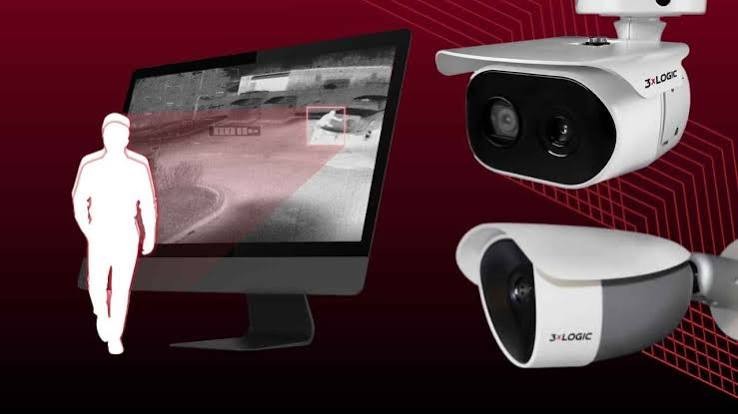
Security is a major concern for industrial facilities, warehouses, power stations, construction sites, commercial properties and other high-security environments. Traditional CCTV cameras provide valuable visual evidence, but their performance can be affected by darkness, poor lighting, smoke, dust and certain environmental conditions. In situations where detecting heat signatures is more important than capturing visible details, thermal CCTV cameras offer an additional layer of protection.
Thermal CCTV cameras use infrared technology to detect heat emitted by people, animals, vehicles, machinery and other objects. Instead of relying on visible light, they produce images based on temperature differences. This makes them particularly useful for monitoring large outdoor areas, identifying overheating equipment and detecting potential security threats in challenging lighting conditions.
In Uganda, thermal CCTV cameras can support security and monitoring requirements at industrial facilities, factories, warehouses, power installations, infrastructure projects, fuel storage facilities and other properties where reliable surveillance is essential.
This guide explains how thermal CCTV cameras work, their main features, benefits, industrial applications, installation requirements and factors to consider when choosing a thermal surveillance system.
What Are Thermal CCTV Cameras?
Thermal CCTV cameras are specialised surveillance devices that detect infrared radiation emitted by objects. All objects with a temperature above absolute zero emit infrared energy. A thermal camera detects this energy and converts it into an image that represents temperature differences.
Unlike conventional CCTV cameras, which capture images using visible light, thermal cameras can detect heat signatures in complete darkness. They do not need streetlights, floodlights or other visible illumination to identify warm objects against cooler backgrounds.
Thermal images usually display different temperature levels using shades of grey or colour palettes. Warmer objects may appear brighter or in different colours depending on the camera’s display settings.
For security applications, this technology can help operators detect people, vehicles and animals entering restricted areas, even when visibility is poor.
However, thermal cameras do not normally provide the same facial details, clothing colours or number plate information as conventional optical CCTV cameras. They are best used as part of a wider security system that combines thermal detection with visible-light cameras where identification is required.
How Do Thermal CCTV Cameras Work?
Thermal CCTV cameras work by detecting infrared radiation and converting it into electronic signals that form a thermal image.
The process involves several important components:
1. Infrared Detector
The infrared detector receives thermal radiation emitted by objects within the camera’s field of view. Many security thermal cameras use uncooled microbolometer sensors to detect small temperature differences.
2. Thermal Imaging Sensor
The sensor measures variations in infrared energy and converts them into information that can be processed into an image.
3. Image Processing System
The camera processes the detected information and displays temperature differences using a selected thermal colour palette or grayscale image.
4. Video Transmission
Depending on the camera design, thermal footage can be transmitted through a network connection, integrated security platform or compatible video management system.
5. Monitoring and Alerts
Advanced thermal surveillance systems can support video analytics, including detection of people, vehicles, movement and abnormal temperature conditions. Some models also provide temperature measurement and configurable alarms.
The available functions depend on the camera model, sensor specifications, software and system configuration.
Thermal CCTV Cameras vs Traditional CCTV Cameras
Thermal and traditional CCTV cameras use different imaging technologies and serve complementary purposes.
Traditional CCTV cameras capture visible-light images, while thermal cameras detect infrared radiation and display temperature differences.
| Feature | Thermal CCTV Cameras | Traditional CCTV Cameras |
|---|---|---|
| Imaging technology | Infrared thermal imaging | Visible-light imaging |
| Operation in darkness | Can detect heat without visible light | Requires sufficient light or night vision illumination |
| Facial identification | Generally limited | Better suited to facial detail when correctly positioned |
| Number plate capture | Generally unsuitable | Better suited to number plate capture with suitable equipment |
| Heat detection | Available on supported models | Not normally available |
| Industrial temperature monitoring | Available on radiometric models | Not a standard function |
| Security applications | Detection in challenging visibility conditions | General surveillance and visual identification |
For many industrial and high-security facilities, the most effective approach is to combine thermal cameras with conventional CCTV cameras.
Thermal cameras can detect a potential threat, while visible-light cameras can provide additional visual information for verification and investigation.
Key Features of Thermal CCTV Cameras
When selecting thermal CCTV cameras, it is important to understand the features that influence their performance.
1. Infrared Thermal Imaging
The main feature of a thermal camera is its ability to detect differences in infrared radiation. This allows it to identify warm objects against cooler surroundings without depending on visible lighting.
2. Thermal Resolution
Thermal resolution refers to the number of pixels in the thermal image. Common configurations include 160 × 120, 256 × 192, 320 × 240 and 640 × 480 pixels, although availability varies by manufacturer and product range.
Higher thermal resolution can provide more image detail and help detect smaller targets at a given distance. However, actual performance also depends on the lens, target size, distance, environmental conditions and image processing.
3. Detection Range
Detection range describes how far a thermal camera can detect a heat source under specified conditions.
It is important to distinguish between detection, recognition and identification:
- Detection: Determining that an object or heat source is present.
- Recognition: Determining the general type of object, such as a person or vehicle.
- Identification: Obtaining sufficient detail to distinguish a specific individual or object.
A camera may detect a person at a considerable distance without providing enough detail to identify that person.
4. Temperature Measurement
Some thermal cameras are radiometric, meaning they can measure the apparent surface temperature of objects within a specified measurement range and accuracy.
This feature is useful for industrial inspections, electrical equipment monitoring and identifying abnormal heat conditions.
Not all thermal security cameras provide accurate temperature measurement. Buyers should confirm whether a model is radiometric and review its measurement specifications.
5. Thermal Video Analytics
Advanced thermal cameras may support analytics such as:
- Human detection.
- Vehicle detection.
- Intrusion detection.
- Virtual boundary monitoring.
- Restricted-area monitoring.
- Temperature threshold alarms.
- Fire and overheating alerts on suitable models.
The availability and reliability of these functions depend on the camera and software configuration.
6. Outdoor Protection
Industrial thermal CCTV cameras may be installed outdoors in exposed locations. Their environmental protection ratings, operating temperature range and housing design should therefore be suitable for the installation environment.
For facilities exposed to rain, dust, humidity or corrosive conditions, the camera enclosure and mounting accessories must be selected accordingly.
7. Network Integration
Many modern thermal CCTV cameras support network video transmission and integration with video management systems.
This allows security teams to monitor thermal footage alongside conventional CCTV feeds from a central control room.
Applications of Thermal CCTV Cameras in Industrial Facilities
Industrial environments often contain valuable equipment, restricted zones, large outdoor areas and processes that require continuous monitoring. Thermal surveillance can improve security and support operational monitoring in these environments.
1. Factories and Manufacturing Facilities
Factories contain machinery, electrical installations, production equipment and materials that may generate significant heat.
Thermal CCTV cameras can help monitor selected production areas, detect unusual temperature patterns and support security surveillance around restricted sections.
Potential applications include:
- Monitoring restricted production areas.
- Detecting unauthorised entry.
- Observing heat conditions around selected machinery.
- Identifying abnormal temperature increases on suitable radiometric systems.
- Monitoring large factory compounds at night.
Thermal cameras do not replace dedicated machine sensors or industrial safety instrumentation. Instead, they provide an additional visual monitoring capability.
2. Warehouses and Storage Facilities
Warehouses often store valuable goods, raw materials, finished products and equipment. Large storage compounds may also contain poorly illuminated sections and outdoor loading areas.
Thermal CCTV cameras can support monitoring around:
- Warehouse perimeters.
- Loading and unloading areas.
- Storage yards.
- Restricted access points.
- Outdoor goods storage.
- Vehicle movement zones.
For warehouses storing heat-sensitive or combustible materials, suitable thermal monitoring equipment may also help identify abnormal surface temperatures in selected areas.
3. Power Stations and Electrical Installations
Power stations, substations, electrical distribution facilities and industrial power rooms contain equipment that may develop abnormal heat conditions.
Thermal imaging can support the monitoring of selected electrical components, including connections, transformers and other equipment, where the camera and installation are suitable for the application.
Potential benefits include:
- Identifying abnormal temperature patterns.
- Supporting maintenance inspections.
- Monitoring selected electrical equipment remotely.
- Helping maintenance teams investigate overheating concerns.
- Providing thermal records for condition monitoring.
Electrical equipment inspections must still follow appropriate safety procedures. Thermal CCTV should not be treated as a substitute for properly conducted electrical testing or maintenance.
4. Oil, Gas and Fuel Storage Facilities
Fuel storage facilities and industrial sites handling combustible materials require careful security and safety management.
Thermal CCTV cameras can help monitor selected outdoor areas, restricted access zones, storage perimeters and equipment surroundings.
Where supported by suitable radiometric technology, thermal cameras may also help identify abnormal surface temperatures.
However, thermal cameras do not detect every gas leak, chemical release or hazardous atmosphere. Facilities handling flammable substances must use appropriately certified equipment and dedicated gas detection systems where required.
5. Construction and Infrastructure Sites
Large construction projects may have temporary boundaries, valuable machinery, building materials and restricted work areas.
Thermal surveillance can support security teams by helping detect people and vehicles entering designated areas after working hours.
Applications include:
- Monitoring construction site perimeters.
- Detecting unauthorised movement.
- Observing equipment storage areas.
- Monitoring access roads.
- Supporting night-time site security.
This can be particularly useful on large construction projects where maintaining adequate lighting across the entire site may be difficult.
6. Industrial Parks and Manufacturing Estates
Industrial parks often contain multiple buildings, access roads, loading zones and shared infrastructure.
Thermal CCTV cameras can be strategically positioned to monitor selected perimeter sections and outdoor areas. When integrated into a central monitoring system, security personnel can review activity across several surveillance points.
A properly designed system should account for camera coverage, blind spots, access routes and the location of existing security infrastructure.
Applications in High-Security Facilities
Thermal CCTV cameras are also useful in locations where early detection, perimeter monitoring and continuous surveillance are important.
1. Critical Infrastructure Protection
Critical infrastructure includes facilities that support essential services, such as electricity generation, water supply, telecommunications and transport.
These sites may have extensive boundaries and sensitive equipment that require continuous monitoring.
Thermal cameras can help detect movement along selected perimeter sections, especially at night or in areas with limited lighting.
2. Restricted Government and Institutional Facilities
Certain government buildings, institutional compounds and sensitive facilities require controlled access and enhanced perimeter security.
Thermal cameras can support surveillance around external boundaries, access roads and restricted outdoor zones.
Their effectiveness depends on suitable positioning, correct camera specifications and integration with the facility’s broader security procedures.
3. Airports and Transport Facilities
Airports and major transport facilities contain large outdoor areas, vehicle routes, restricted sections and valuable infrastructure.
Thermal surveillance may support perimeter monitoring and detection of unauthorised movement around selected areas.
It can also be useful in monitoring remote sections where traditional lighting is limited.
4. Commercial Security Compounds
Large commercial properties, logistics centres, distribution facilities and business parks may require security monitoring beyond the entrances and reception areas.
Thermal cameras can support surveillance of external boundaries, parking areas, storage yards and other locations where detecting movement is a priority.
5. Remote and Poorly Lit Locations
Some industrial and infrastructure sites are located far from urban centres, where lighting and security staffing may be limited.
Thermal cameras can help monitor selected areas without requiring visible illumination for thermal detection.
They can be integrated with recording systems, remote monitoring platforms and suitable alarm equipment to support security operations.
Thermal CCTV Cameras for Fire Detection and Overheating Monitoring
One important application of thermal technology is identifying abnormal heat conditions.
Certain industrial environments contain equipment, materials and processes where excessive temperatures may indicate a developing problem.
Radiometric thermal cameras can be configured to monitor temperature thresholds and generate alerts when measured surface temperatures exceed specified limits.
Potential applications include:
- Monitoring electrical panels and connections.
- Observing selected machinery.
- Monitoring industrial storage areas.
- Inspecting conveyor systems.
- Monitoring certain production processes.
- Identifying abnormal heat patterns in designated zones.
Some specialised thermal cameras also support early fire detection by identifying unusual temperature increases or heat patterns.
However, thermal CCTV is not a universal replacement for smoke detectors, flame detectors, fire alarms or automatic fire suppression systems. A complete fire protection strategy should use equipment designed and approved for the specific hazards present.
Benefits of Installing Thermal CCTV Cameras
Thermal CCTV cameras offer several benefits for industrial and high-security environments.
1. Surveillance in Complete Darkness
Thermal cameras detect infrared radiation rather than relying on visible light. This makes them useful for monitoring selected outdoor and indoor areas in complete darkness.
2. Improved Perimeter Monitoring
Large industrial compounds can have extensive boundaries that are difficult to monitor using conventional cameras alone.
Thermal cameras can help security personnel identify people or vehicles entering monitored zones, including areas with limited lighting.
3. Early Detection of Potential Security Threats
Thermal analytics can help detect movement and heat signatures within configured monitoring zones.
When integrated with alarms and security procedures, this can support earlier investigation of potential intrusion events.
4. Support for Industrial Maintenance
Radiometric thermal cameras can help maintenance teams monitor temperature patterns around selected equipment.
This may support condition monitoring and help identify potential overheating problems before they develop into more serious faults.
5. Reduced Dependence on Visible Lighting
Thermal imaging does not require conventional lighting to detect heat signatures. This can reduce the need to illuminate every monitored outdoor section solely for thermal detection.
However, lighting may still be necessary for personnel safety, operational activities and conventional CCTV identification.
6. Integration with Existing Security Systems
Thermal CCTV cameras can be incorporated into wider surveillance arrangements that include:
- IP CCTV cameras.
- Network video recorders.
- Video management systems.
- Access control systems.
- Intrusion alarm systems.
- Control room monitoring equipment.
- Selected industrial monitoring platforms.
Compatibility should be checked before installation.
7. Remote Monitoring
Network-connected thermal cameras can allow authorised personnel to review footage from a central monitoring station or supported remote devices.
This is useful for organisations responsible for monitoring multiple buildings or remote facilities.
Limitations of Thermal CCTV Cameras
Although thermal cameras offer important advantages, they also have limitations that buyers should understand.
Limited facial and visual identification: Thermal images generally do not show the detailed facial features, clothing colours or other visual characteristics available from conventional CCTV footage.
Higher equipment costs: Thermal imaging technology can cost more than standard CCTV cameras, especially for high-resolution, long-range and radiometric models.
Environmental influences: Rain, fog, humidity, dust and other atmospheric conditions can affect thermal image quality and detection performance.
Obstructions: Walls, solid barriers and other objects can block infrared radiation. A thermal camera cannot normally see through solid walls or ordinary opaque building materials.
Specialist installation requirements: Selecting the correct lens, mounting position, detection range and analytics settings requires careful planning.
False alarms: Hot machinery, sunlight-heated surfaces, moving objects and changing environmental conditions may affect detection performance if analytics are not configured correctly.
Understanding these limitations helps property owners select an appropriate combination of thermal and conventional surveillance equipment.
Thermal CCTV Cameras vs Infrared Night Vision Cameras
Thermal cameras are sometimes confused with conventional infrared night vision cameras. Although both can support surveillance in darkness, they operate differently.
Infrared night vision cameras generally use infrared illumination to capture reflected infrared energy from objects. Thermal cameras detect infrared radiation emitted by objects because of their temperature.
| Feature | Thermal CCTV | Infrared Night Vision CCTV |
|---|---|---|
| Main technology | Detects emitted thermal radiation | Uses infrared illumination to capture reflected infrared energy |
| Requires infrared illuminator | No | Usually uses built-in or external IR illumination |
| Detection in darkness | Yes | Yes, within its illumination and viewing limits |
| Heat measurement | Available on suitable radiometric models | Not a standard function |
| Facial detail | Generally limited | Can provide more visible detail at suitable distances |
| Common applications | Perimeter detection and industrial monitoring | General night-time surveillance |
The choice depends on the security objective. Thermal cameras are useful when detecting heat signatures is the priority, while infrared night vision cameras are often more suitable when capturing visual evidence is important.
How to Choose the Best Thermal CCTV Camera for an Industrial Facility
Choosing the right thermal CCTV camera requires evaluating the facility’s size, security risks, operating environment and monitoring objectives.
1. Define the Surveillance Objective
Start by identifying what the camera is expected to do.
Is the main purpose to detect intruders, monitor an industrial perimeter, observe equipment temperatures or support fire detection?
Different applications require different camera specifications. A security camera designed for intrusion detection may not provide the radiometric measurement functions needed for industrial temperature monitoring.
2. Select the Appropriate Thermal Resolution
Consider the level of detail required at the intended monitoring distance.
Higher resolution may be necessary when monitoring smaller targets or longer distances, but the lens and camera specifications must also be considered.
3. Evaluate Detection Distance
The camera should be selected according to the distance between the camera and the target.
Ask the supplier to demonstrate expected detection, recognition and identification performance for the actual application.
4. Check the Lens and Field of View
The lens determines how much of an area the camera can monitor and how large a target appears in the thermal image.
A wide-angle lens may cover a larger area, while a narrower lens may be more suitable for observing distant targets.
5. Consider Environmental Protection
Outdoor cameras should have suitable protection against rain, dust, humidity and the operating temperatures expected at the site.
For specialised environments, check whether the equipment requires additional protection or specific hazardous-area certification.
6. Review Analytics and Alarm Functions
If the system will support automated intrusion detection, confirm that the selected model provides the required analytics.
Important functions may include human detection, vehicle detection, virtual boundaries, intrusion zones and temperature threshold alarms.
7. Confirm Integration Requirements
Check whether the thermal camera can integrate with the facility’s existing CCTV infrastructure, video management software, recording equipment and alarm systems.
Compatibility can affect installation costs and long-term system management.
8. Consider Future Expansion
Industrial facilities may expand or change their operations over time.
Select a surveillance solution that can accommodate additional cameras, recording capacity and monitoring requirements where practical.
Thermal CCTV Camera Installation Requirements
Professional installation is important because thermal camera performance depends heavily on correct positioning, lens selection, configuration and environmental conditions.
A typical installation process involves the following stages.
1. Site Assessment
The installation team evaluates the property, identifies security risks and determines the locations that require thermal surveillance.
This includes reviewing perimeter boundaries, access points, equipment areas, monitoring distances and potential obstructions.
2. Camera Selection
The appropriate thermal camera is selected based on the required detection distance, thermal resolution, lens, analytics and environmental protection.
Radiometric models should be considered where accurate surface temperature monitoring is required.
3. Camera Positioning
Cameras should be installed at suitable heights and angles to provide the intended coverage.
The installation plan should minimise blind spots and account for obstacles such as walls, trees, machinery and storage structures.
4. Cabling and Network Configuration
Depending on the camera type, installation may require network cabling, power connections, fibre infrastructure, wireless links or other compatible transmission arrangements.
The design should also consider surge protection, backup power and network security.
5. Recording and Monitoring Integration
Thermal cameras are connected to compatible recording equipment or video management systems.
The configuration should allow authorised security personnel to view live footage, access recorded video and review relevant alarms.
6. Analytics Configuration
Where supported, detection zones, temperature thresholds and alarm settings are configured according to the facility’s requirements.
Poorly configured analytics can produce unnecessary alerts or fail to detect relevant events.
7. Testing and Commissioning
The completed system should be tested under realistic operating conditions.
Testing should verify camera coverage, image quality, recording, network connectivity, alarm functions and integration with the wider security system.
Factors That Affect Thermal CCTV Camera Installation Costs in Uganda
The cost of installing thermal CCTV cameras in Uganda depends on the type of equipment, the size of the facility and the complexity of the installation.
Important cost factors include:
1. Camera specifications: Thermal resolution, lens type, detection range, analytics and radiometric capabilities influence equipment costs.
2. Number of cameras: Large facilities may require several thermal cameras to monitor different boundaries, buildings and equipment zones.
3. Site size and layout: Large industrial compounds may require additional mounting structures, cabling and network infrastructure.
4. Installation height: Cameras installed on tall buildings, towers or specialised structures may require additional access equipment and labour.
5. Network infrastructure: Fibre optic connections, switches, network cables and other transmission equipment may increase project costs.
6. Recording and monitoring equipment: Compatible recorders, storage devices, video management software and control room displays must be considered.
7. Power backup: UPS equipment, backup power supplies and other protection systems may be required to support continuous operation.
8. Integration requirements: Connecting thermal cameras to existing CCTV, access control or alarm systems may require additional configuration and compatible equipment.
9. Environmental protection: Harsh industrial environments may require specialised housings, mounting accessories or certified equipment.
For an accurate quotation, the property should be assessed and the surveillance objectives clearly defined before equipment is selected.
Why Professional Thermal CCTV Installation Matters
Thermal CCTV systems require more than simply mounting cameras around a property. The equipment must be selected and configured according to the actual security or monitoring requirements.
Professional installation helps ensure:
- Suitable camera specifications are selected.
- Detection distances and lens requirements are considered.
- Important surveillance zones are properly planned.
- Blind spots are identified and reduced.
- Network and power requirements are addressed.
- Recording and monitoring systems are compatible.
- Analytics and alarm settings are properly configured.
- The completed system is tested before handover.
For industrial facilities and high-security properties, proper planning can make a significant difference to the usefulness of the surveillance system.
Thermal CCTV Camera Solutions for Industrial and Commercial Properties in Uganda
Industrial facilities and high-security properties require surveillance systems that match their operational risks. A standard CCTV system may provide general visual monitoring, but some environments need additional capabilities for detecting movement in darkness or monitoring unusual temperature conditions.
Thermal CCTV cameras can provide this additional capability when selected and installed correctly.
Daltrevco provides a point of contact for property owners, developers and organisations planning security and building technology installations. If you are considering thermal CCTV cameras for a factory, warehouse, industrial facility, infrastructure project or commercial property, contact Daltrevco to discuss your requirements and the appropriate surveillance approach.
A properly planned system can combine thermal cameras, conventional CCTV, access control and compatible monitoring equipment to create a more comprehensive security solution.
Frequently Asked Questions About Thermal CCTV Cameras
1. What are thermal CCTV cameras?
Thermal CCTV cameras are surveillance cameras that detect infrared radiation emitted by objects and convert temperature differences into images. They can detect people, vehicles and other heat sources without relying on visible light.
2. Can thermal CCTV cameras work in complete darkness?
Yes. Thermal cameras detect infrared radiation emitted by objects, so they can operate in complete darkness without conventional lighting or infrared illuminators.
3. What are thermal CCTV cameras used for?
They are used for industrial security, perimeter monitoring, critical infrastructure protection, equipment temperature monitoring and selected fire detection applications.
4. Are thermal CCTV cameras suitable for factories?
Yes. They can support surveillance around production areas, restricted zones, equipment installations and outdoor factory boundaries. Radiometric models can also support temperature monitoring of selected equipment.
5. Can thermal CCTV cameras detect intruders?
Yes. Thermal cameras can detect heat signatures associated with people and vehicles within their effective monitoring range. Supported analytics can also generate alerts when movement occurs in configured zones.
6. Can thermal cameras identify faces?
Most thermal security cameras are not designed to provide reliable facial identification. Conventional visible-light CCTV cameras are generally more suitable for capturing facial details.
7. What is the difference between thermal CCTV and infrared CCTV?
Thermal CCTV detects infrared radiation emitted by objects because of their temperature. Infrared night vision CCTV uses infrared illumination to capture reflected infrared energy and produce a visible image.
8. Can thermal CCTV cameras detect fires?
Suitable thermal cameras can identify abnormal temperature patterns and may support early fire detection. However, they should not replace dedicated fire detection and alarm systems designed for the facility.
9. Can thermal cameras measure temperature?
Some thermal cameras are radiometric and can measure apparent surface temperatures within specified operating limits. Standard thermal security cameras may only provide thermal images without accurate temperature measurement.
10. Are thermal CCTV cameras suitable for warehouses?
Yes. They can support surveillance around warehouse perimeters, loading zones, outdoor storage areas and restricted sections. Radiometric models may also be used for selected temperature monitoring applications.
11. Can thermal cameras see through walls?
No. Thermal cameras cannot normally see through solid walls or ordinary opaque building materials. They detect infrared radiation reaching the sensor from objects within their line of sight.
12. Do thermal CCTV cameras work in rain and fog?
They can operate in some challenging weather conditions, but rain, fog, humidity and atmospheric conditions can reduce thermal image quality and detection range. Actual performance depends on the camera and environment.
13. Are thermal CCTV cameras expensive?
They generally cost more than standard CCTV cameras because they use specialised infrared imaging technology. The final cost depends on resolution, lens, detection range, analytics and installation requirements.
14. Can thermal CCTV cameras be connected to an existing CCTV system?
Some thermal cameras can integrate with existing network video recorders and video management systems. Compatibility should be checked before purchasing the equipment.
15. Can thermal CCTV cameras monitor large industrial compounds?
Yes, if the correct camera specifications, lens and positioning are selected. Large compounds may require several cameras to achieve the required coverage and detection performance.
16. Do thermal cameras need internet access?
Not necessarily. A thermal CCTV system can operate on a local network with compatible recording equipment without an internet connection. Internet access may be needed for authorised remote viewing or cloud-based services.
17. Can thermal CCTV cameras detect overheating electrical equipment?
Suitable radiometric thermal cameras can monitor apparent surface temperatures and identify abnormal temperature patterns on selected electrical equipment. They should be used alongside appropriate electrical inspection and maintenance procedures.
18. Are thermal CCTV cameras suitable for outdoor installation?
Yes. Many models are designed for outdoor use, but the camera’s weather protection rating, operating temperature range, housing and mounting arrangement should match the site conditions.
19. How many thermal CCTV cameras does an industrial facility need?
The number depends on the size of the facility, perimeter layout, monitoring objectives, detection distances and potential blind spots. A site assessment helps determine the appropriate number and positioning.
20. Where can I get thermal CCTV camera installation services in Uganda?
Property owners and organisations planning thermal surveillance can contact Daltrevco to discuss their project requirements, site conditions and suitable security system options.
Conclusion
Thermal CCTV cameras provide an important surveillance option for industrial and high-security facilities where detecting heat signatures and monitoring areas in darkness are essential. Their ability to operate without visible illumination makes them useful for factories, warehouses, power installations, infrastructure projects, fuel storage facilities and large commercial compounds.
However, thermal cameras should be selected according to the intended application. Thermal resolution, detection distance, lens specifications, environmental protection, analytics and system compatibility all influence performance.
For the best results, thermal surveillance should be integrated with conventional CCTV cameras and other appropriate security technologies. This creates a more complete system that supports both early detection and visual verification.
If you are planning a thermal CCTV installation for an industrial, commercial or high-security property in Uganda, contact Daltrevco to discuss a suitable surveillance solution for your facility.

